
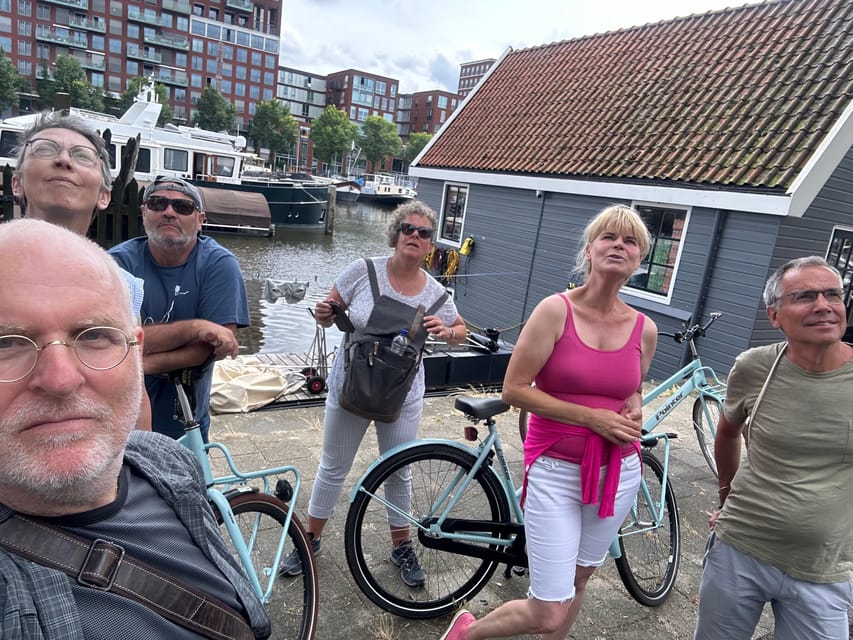
Reviewed · AMSTERDAM
Amsterdam: Architektur Er-fahren
Amsterdam is interesting because it keeps rewriting itself, block by block, and waterway by waterway. This German architecture bike tour turns that constant change into something you can actually read on a ride. You start in the city center and, as you move, the buildings stop being random backdrops and start making sense.
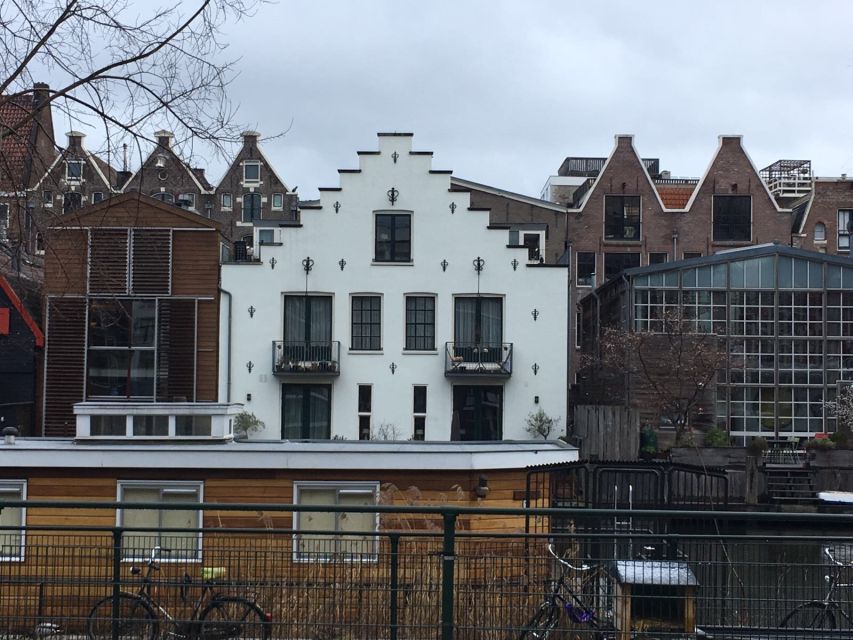
I love two things most. First, you get a guided connection between the old canal world and newer architecture, so you learn how to spot design choices instead of just looking at facades. Second, the route leans into the contrast that makes Amsterdam so fun to study, including houseboats and the Western Islands, where the city’s engineering reality shows up in the design. The only drawback: you have to be comfortable cycling, because this is a rain or shine ride and it is not meant for riders who feel shaky on a bike.
Key Highlights You Should Know Before You Go
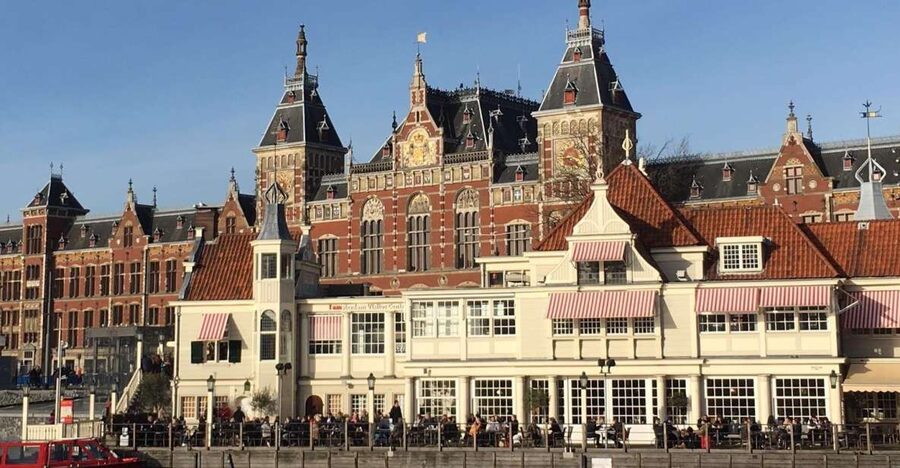
- Beursplein/Damrak to the IJ: you ride along the water for a built-in “gallery wall” of canals, warehouses, and skyline views
- Modern architecture you can recognize later: you learn language for what you are seeing, so future stops become easier
- Historic change, not just pretty buildings: the story can include how older structures make way for new projects
- Amsterdam Western Islands by bike: you see how space, water, and growth shape real construction decisions
- Houseboats up close: you get a different perspective on living with water, not just beside it
From Beursplein/Damrak to the IJ: Why the Bike Route Matters
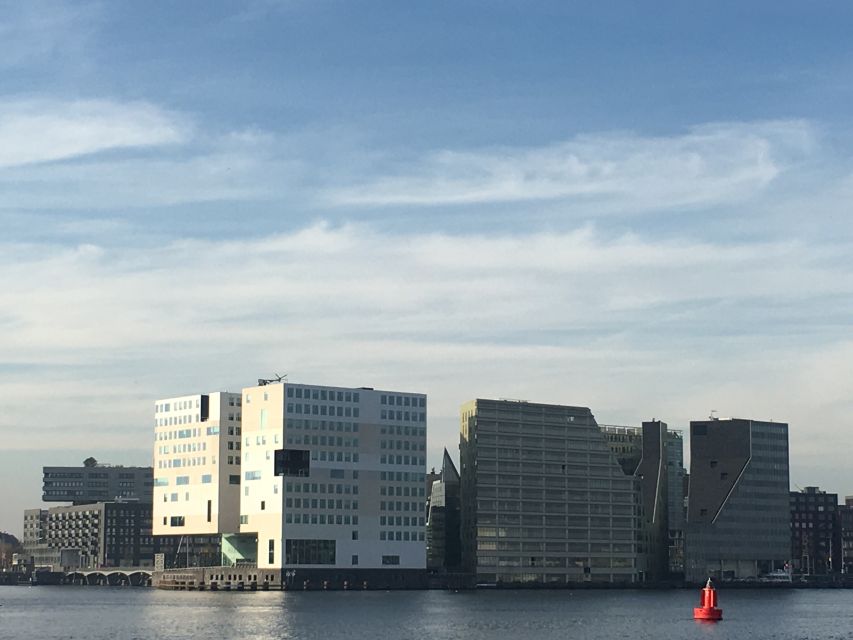
This tour starts at Beursplein/Damrak, and that choice matters. From the start, you are not just learning architecture from photos, you are watching how it sits in the city’s real layout, with the water always close by. The ride also keeps the pace moving, which helps when you are trying to understand modern buildings that can feel abstract if you are rushing through them.
You cycle toward the IJ and Amsterdam Central, following the water for stretches where the views do half the teaching. Canals and warehouses frame your eyes while newer designs add the contrast. It is a smart way to train yourself to notice scale, materials, and how buildings respond to their surroundings.
There is a second reason the route works: Amsterdam’s building story is also a water story. The guide connects architecture to the city’s practical challenges, like ground conditions and the need to manage life around water.
Other things people book in Amsterdam:
- Amsterdam Classic Saloon Boat Cruise with Drinks and Cheese
★ 5.0 · 31,825 reviews - Amsterdam Luxury Canal Cruise + Unlimited Drinks & Bites option
★ 5.0 · 30,518 reviews - Amsterdam: Heineken Experience Ticket
★ 4.6 · 30,055 reviews
Canal Houses, Warehouses, and the Practical Dutch Way of Designing
Once you are moving along the central water routes, you start spotting patterns fast. You see how historic canals and warehouses were built around industry and trade, and you get a feel for why Amsterdam developed a certain look over time. Then, you compare that to what comes later, and the differences become clearer.
I like how this tour keeps the focus on function. Modern architecture here is not treated like a style competition. Instead, you learn to ask questions like: What problem is this building solving? How does it use the site? How does it handle the realities of water and density?
And yes, there is an emphasis on contrast. You will cycle through areas where industrial edges sit next to more picturesque architecture. That kind of side-by-side thinking is valuable because it stops you from treating architecture as one theme. Amsterdam is multiple stories at once.
Amsterdam Central and the Water Views That Make Buildings Feel Bigger
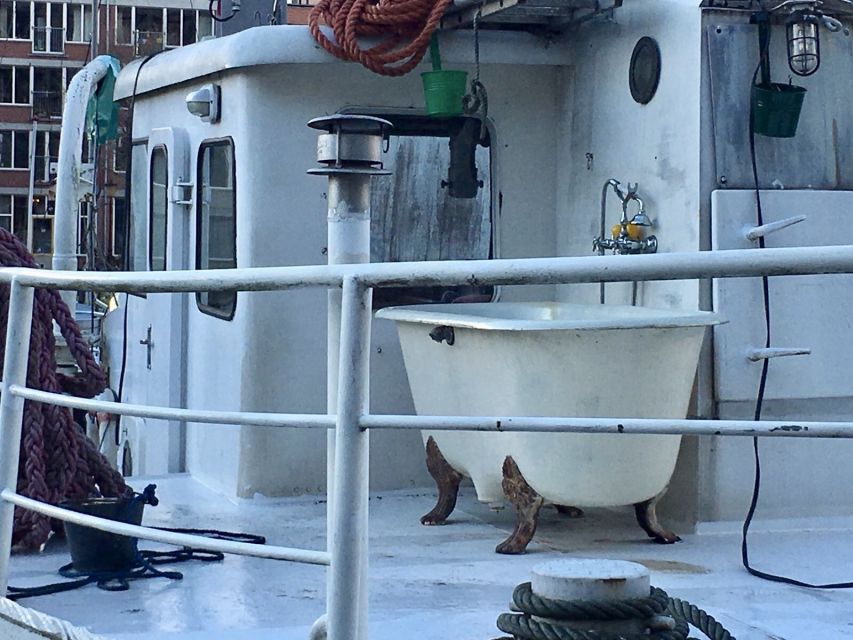
The stretch toward Amsterdam Central gives you a payoff that is easy to miss if you do it on foot. On a bike, you glide along the water, so the skyline looks different every few minutes. That matters when you are trying to understand modern design, because modern buildings often change as you change your angle.
You also get that “in motion” sense of scale. Bridges, quays, and long canal sightlines make it easier to judge height, massing, and spacing. Even if you only remember a couple of buildings afterward, the mental map stays with you.
This is also where you get the most sense of the city’s constant pressure: growing population, limited space, and the need to house people in a place that cannot simply expand outward forever. The guide frames what you see as responses to that pressure.
Western Islands by Bike: Where Water, Growth, and Design Collide
Exploring the Amsterdam Western Islands is where the tour starts feeling like problem-solving, not sightseeing. When you get out to these areas, you understand how Amsterdam designs under real constraints, especially the ones tied to water and ground conditions. The architecture becomes easier to interpret because it is responding to something specific.
You will also see the city’s balancing act in housing. The tour highlights how social housing and luxury housing can be part of the same planning conversations. That is more interesting than it sounds, because it shows you that “new” in Amsterdam is not just about looks. It is about negotiating needs, budgets, and long-term livability.
For me, the best value here is the lens you gain. By the time you reach this part of the ride, you are not just saying, This building is new. You are thinking, What did the city have to solve to make that building possible?
Same city, a different kind of day out:
- Amsterdam: Rijksmuseum Entry Ticket
★ 4.7 · 25,535 reviews - Amsterdam: Classic Boat Cruise with Optional Cheese & Wine
★ 4.6 · 22,925 reviews - Amsterdam: Evening Cruise with Optional Wine and Snacks
★ 4.4 · 19,696 reviews - Amsterdam: 75 Minute City Canal Cruise with Audio Guide
★ 4.4 · 17,501 reviews
Houseboats and the Floating-City Mindset
Houseboats show up as a key part of the experience, and they are more than a cute visual. They help you understand how Amsterdam lives with water rather than pretending it is background scenery.
When the guide points them out, you start seeing them as part of the broader architecture theme: adaptation. The city’s water culture is not only scenic, it influences how people live and how communities form. That mindset makes the rest of the architecture stops click, especially when you compare waterfront design choices across eras.
If you enjoy places where daily life is tied to design, this segment is worth showing up for. It is one of the most memorable ways to see that the city’s engineering and housing choices are connected.
Industrial and Picturesque Side by Side, and Why That Works
Amsterdam is famous for canal elegance, but it also has industrial corners that look plain until you know how to read them. This tour purposely leans into that mix, so you get both. You will observe the contrast between industrial settings and more picturesque architecture, and you will learn how to notice the differences in layout, materials, and purpose.
This is one of the most praised parts of the tour style, because it gives you tools you can use later. The idea is not just to see buildings, it is to learn a way of looking. Once you get that, you can walk into other neighborhoods and recognize what you are seeing instead of only appreciating it in a vague way.
There is also a human layer to this contrast. The guide includes stories about general life and history in Amsterdam, which helps you connect architecture to people, not just to dates.
The Guide in German, Small Group Energy, and Pacing
The tour is led by a live guide in German, and it is a small group with a limit of 10 participants. That small size helps the pacing. You are less likely to feel lost or stuck behind someone who is taking forever at one photo spot.
The meeting point detail is simple and useful. You look for the guide wearing a black and white striped band around their neck. That makes it easier to find the right group quickly, especially when you arrive a little early.
Based on the strongest feedback about this experience, the guide approach tends to be energetic and story-driven, with a focus on water and Dutch life alongside architecture. People also mention laughter, which is a good sign you are not sitting through a lecture on a bike.
Timing, Weather, and What the 2.5 Hours Feels Like
The duration is 2.5 hours, which is long enough to get into a rhythm, but short enough that you do not feel trapped in one spot. You start at Damrak, cycle through the water-focused routes, visit the key architectural contrasts, and then cycle back to the starting point.
It runs rain or shine. That is great for people who hate “waiting for perfect weather,” but you should dress smart. Bring weather-appropriate clothing, and plan for wet roads. Your comfort matters, because you want to focus on buildings, not just surviving the ride.
You also need to remember that there is no food included. You can bring water, and you will be happier if you also plan a snack afterward.
Getting the Most From Your Ride: Bike Comfort and Safety
Bike rental is not included in the price. If you do not bring your own bike, you will typically find rentals around €5 to €25 near your hotel or in bike shops around the city.
What you bring matters. Comfortable shoes and weather-appropriate clothes are the basics. You should also bring water, because you are moving steadily for a couple of hours.
One more practical point: the tour expects you to have a functional and roadworthy bicycle, and it is not suitable for people who cannot ride a bike. This is not a “slow and steady” training session. You are expected to pedal confidently and keep up.
Price and Value: Is $46 Fair for a Guided Architecture Bike Tour?
For $46 per person over 2.5 hours, I think the value is strong if you want guided architecture with interpretation. You are paying for more than routes and photos. You are paying for a German-speaking guide who can connect modern buildings to real constraints like water, land conditions, housing pressure, and design tradeoffs.
This price also makes sense because the group stays small, limited to 10 participants. Small groups usually mean more chance to ask questions and get clearer explanations, especially when you are comparing multiple styles and eras.
If you plan to rent a bike anyway, your total cost will go up. But even then, the price often still feels reasonable because the guide does the hard part, translating buildings into something you can look for on your own later.
Who This Tour Fits Best
This experience is a great match if you:
- enjoy cycling and want a guided way to understand modern architecture
- like contrasts, industrial versus picturesque, and old canals versus newer projects
- want practical storytelling about Amsterdam life tied to the city’s water reality
- speak enough German to comfortably follow the guide’s explanations
It is not ideal if you:
- cannot ride a bike confidently
- want a food-focused tour, since food and drinks are not included
- prefer to avoid rainy rides, since it runs rain or shine
Should You Book This Architecture Cycling Tour?
Book it if you want Amsterdam architecture that makes sense. The tour’s main strength is how it teaches you to look, not just what to see. You ride through the city’s most useful “contrast zones,” from canal and warehouse history to modern Western Islands problem-solving, and you leave with a better eye.
Skip it only if cycling feels stressful for you. Otherwise, this is a smart way to spend half a day: guided, small group, and built around the water and the city’s real design challenges.
FAQ
Where does the tour start?
The tour starts at Beursplein/Damrak, where you will find your guide.
How do I recognize the guide?
Look for the guide with a black and white striped band around their neck.
What language is the tour in?
The live tour guide speaks German.
How long is the bike tour?
The duration is 2.5 hours.
Is bike hire included in the price?
No. Bike hire is not included. You can usually rent a bike nearby for around €5 to €25.
What should I bring?
Bring comfortable shoes, water, and comfortable clothes. Also dress for the weather.
Does the tour run in bad weather?
Yes. The tour takes place rain or shine, so you should dress accordingly.
Is the tour suitable for beginners?
It is not suitable for people who cannot ride a bike.
Is food and drinks included?
No. Food and drinks are not included.
What is the cancellation and payment flexibility?
It offers free cancellation up to 24 hours in advance for a full refund, and you can reserve now and pay later to keep plans flexible.
Recently reviewed around Amsterdam
- Rotterdam Center: Cocktail Bar Walking Tour – Self Guided★ 2.9 · 9 reviews
- Rent a bike in Amsterdam | 1, 2, 3+ hours★ 4.5 · 68 reviews
- Amsterdam: Rijksmuseum Masterpieces Guided Small Group Tour★ 4.9 · 31 reviews
- Romantic Photoshoot Experience for Couples in Amsterdam★ 4.7 · 25 reviews
- Amsterdam: Queer Nightlife Tour★ 4.8 · 7 reviews
- Amsterdam: Self-guided Red Light District Pub Crawl Mystery★ 3.7 · 6 reviews
- Amsterdam: Red-Light District Pub Crawl and Booze Boat Tour★ 4.1 · 120 reviews
- Amsterdam: Private Red Light District and Food Tour★ 4.8 · 62 reviews