Reviewed · TICKETS
Oranjehotel World War II Prison Entrance Ticket
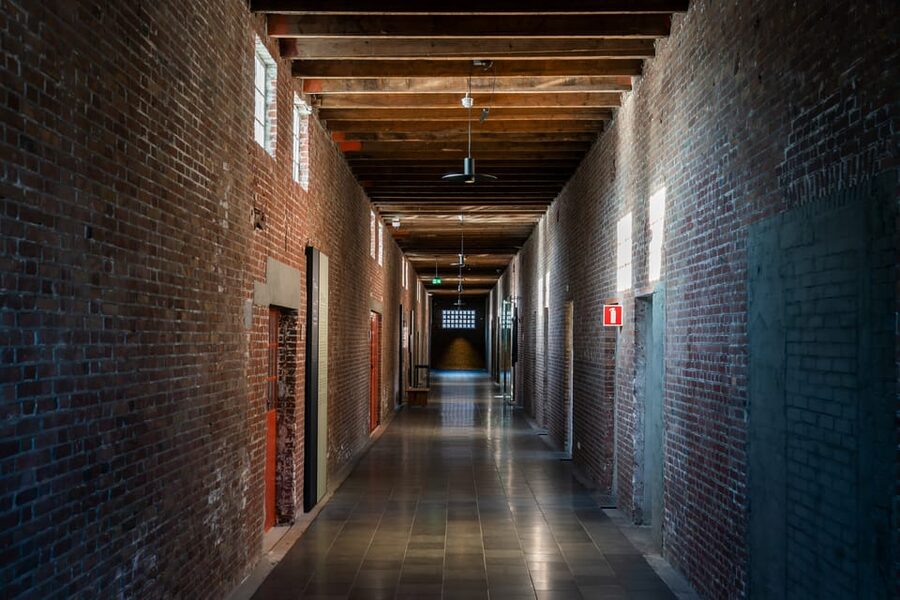
The Oranjehotel is interesting because it is one of the most important Nazi prisons in the Netherlands, and the ticket lets you walk through the same spaces tied to imprisonment and execution. I especially love how the Oranjehotel story is delivered through an included audioguide that combines personal accounts, documents, and photographs, so you can slow down where it matters.
I also really like the focus on Cell 601, the notorious death cell, because it turns big WWII history into something concrete. One possible drawback: it is a serious experience with a lot of interpretation on screens, audio, and text, so if you were hoping for lots of preserved walk-through cells, you may find the physical spaces more limited than expected.
Key highlights
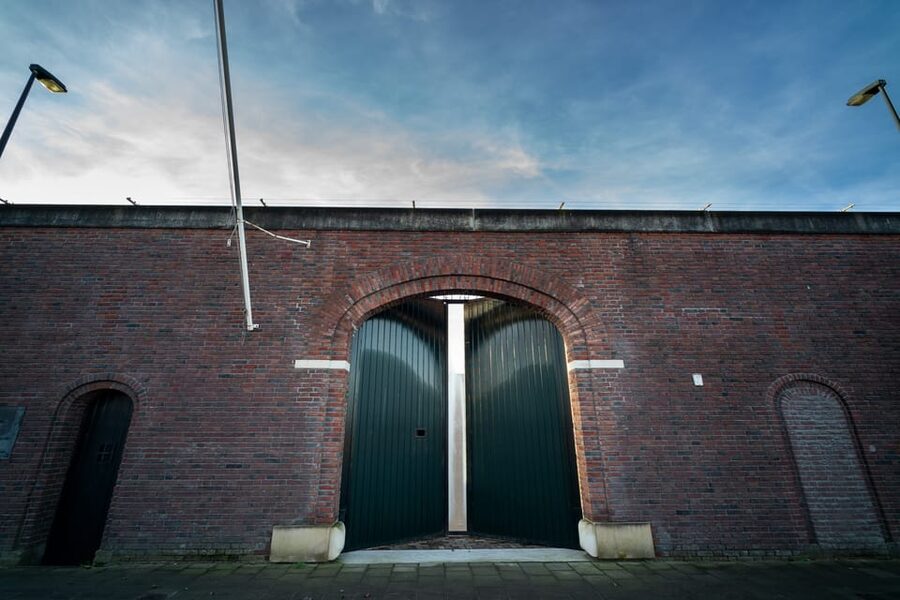
- Cell 601, the death cell that shows what condemnation meant in the occupied Netherlands
- Audioguide-first visit with stories told through interviews, audio fragments, and supporting documents
- Self-paced route that lets you spend real time in each room and exhibit area
- Injustice to resistance timeline focused on occupation, fear, and the rise of the Dutch resistance
- Family impact and post-war consequences built into the story, not tacked on at the end
Oranjehotel in The Hague, what you are walking into
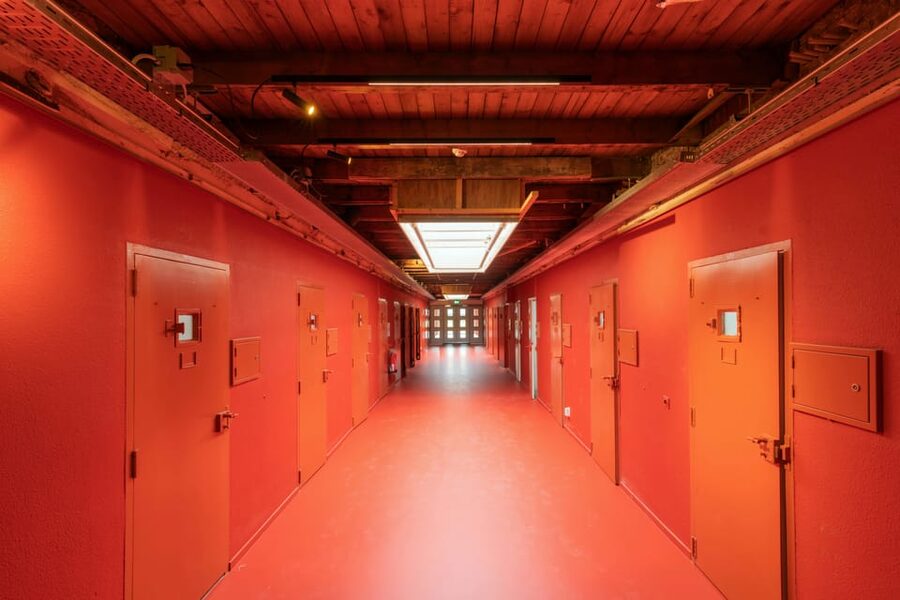
This is not a “look and move on” kind of museum. Oranjehotel sits in The Hague area and was used during the Nazi occupation as a prison that processed people sentenced to death. The site makes the point that imprisonment was not just a matter of bars and guards, it was also fear, uncertainty, and time running out.
What makes the visit powerful is that you are not asked to imagine what happened. You are given a route through the building’s story, including rooms tied to the final stage of many prisoners’ sentences. The experience is designed to help you understand what it meant to be held in the occupied Netherlands during WWII, and how the resistance movement rose under pressure.
The exhibit also tries to cover more than the final outcome. You will come across themes of injustice, hunger, and insecurity, but you will also hear about hope, solidarity, and faith in freedom. That balance matters. Pure horror can be numbing. Mixed with human resilience, it becomes harder to forget.
A few more Amsterdam tours worth comparing
- Amsterdam: Heineken Experience Ticket
★ 4.6 · 30,055 reviews - Amsterdam: Rijksmuseum Entry Ticket
★ 4.7 · 25,535 reviews - Amsterdam: Icebar Entry Ticket with 3 Drinks
★ 4.2 · 14,562 reviews
Ticket essentials: price, one-day visit, and self-paced flow
Your ticket is for a one-day visit at a time slot you can check for when you book. The duration is listed as 1 day, which is reassuring, because this is a memorial where you should not rush. Think of it as a full chunk of your day, not a quick stop between errands.
At about $15 per person, it is good value when you factor in what is included. You get the entrance fee and an audioguide, and the audio is the main way you experience the site. The building is doing the heavy lifting for atmosphere, and the audioguide does the heavy lifting for context.
The meeting point is the Nationaal Monument Oranjehotel at Van Alkemadelaan 1258, 2597 BP Den Haag. Plan to arrive a bit early so you can settle in before you start following the numbered stops.
One practical note: food and drinks are not included. You will likely want a proper meal before or after, especially if you are visiting when hunger sets in and you do not want to pull yourself out of the story. If you tend to get tired easily during museum days, schedule time to reset afterward.
Cell 601 and the death cell, what you will actually enter
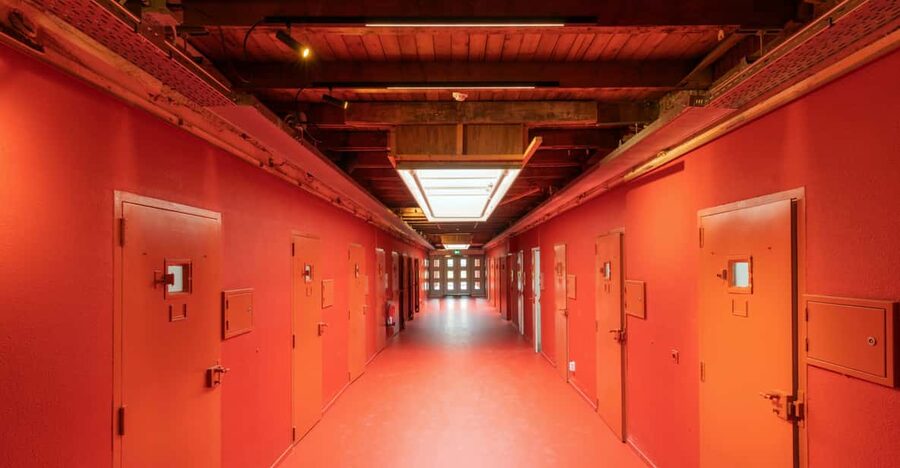
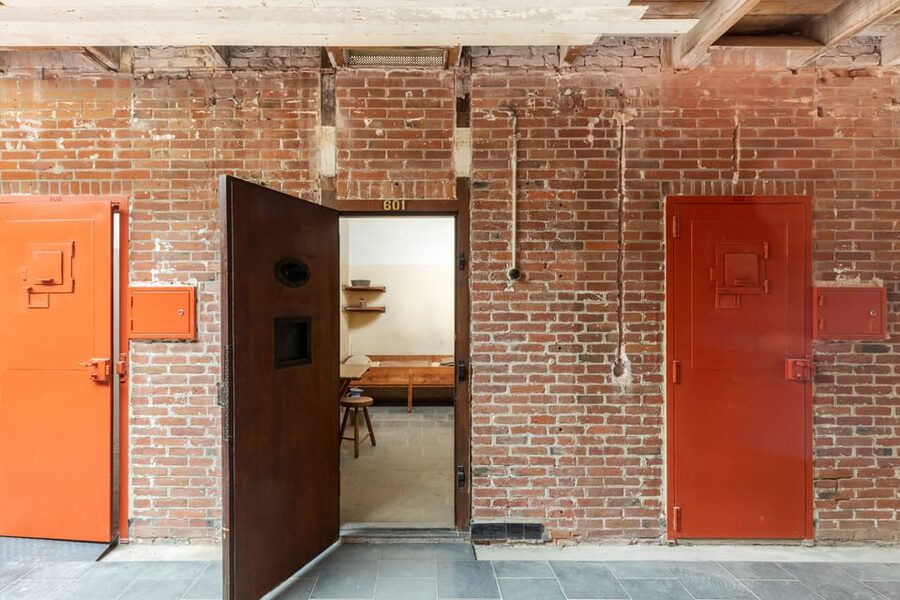
The Oranjehotel ticket is built around the idea that you will enter a death cell. The highlight is Cell 601, often called the notorious death cell in the Oranjehotel story. Even if you have read about WWII prisons before, standing in a space like this changes the scale in your mind.
The exhibit frames what happened with the grim reality that for over 250 prisoners, the Oranjehotel became the final destination. Many were sentenced to death and executed by firing squad. That is stated plainly, and the content does not try to soften the meaning of those words.
What you get in the death cell area is not just a “room with a label.” You are guided to understand imprisonment as a system. The story includes documents and photographs, plus moving audio fragments that help you picture how people were processed, what they might have felt, and how fear can stretch into everyday life.
If you are sensitive to heavy subject matter, take it slow. This is the kind of site where you may want a pause after the most intense sections, then come back when you feel steadier. The self-paced structure is useful here.
Also, a heads-up for your expectations: the memorial is powerful, but the amount of preserved, walk-through cell space may feel limited compared to what people picture from photos online. You are still getting deep immersion through audio, text, video elements, and the preserved portions that do exist.
Following the numbered route with an included audioguide
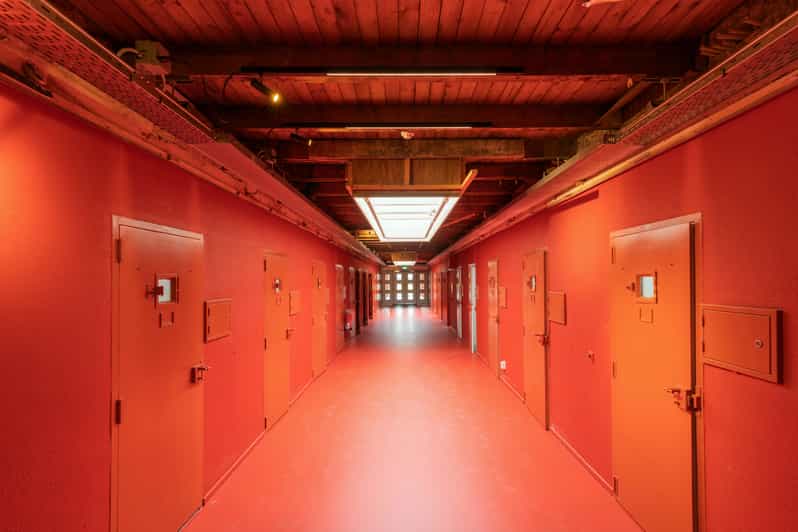
This is an audioguide-first experience. Instead of a live guide shepherding everyone in one loud group, you explore at your own pace and follow the exhibit layout, using the audio to bring each area to life.
You get the audioguide in English, Dutch, German, and French. That matters more than it sounds. When you can hear the story in your language, you spend less effort translating, and more effort actually absorbing what you are seeing.
The audio format is also built for emotional clarity. Expect stories and accounts delivered through interviews and audio fragments, supported by documents and photographs. The museum uses written information too, and there are also videos in the mix. In other words, you are not stuck with one type of media.
A small practical advantage: people have described the visit as easy to start, with staff helping you get oriented before you set off on your numbered route. That is a big deal because self-guided memorials can feel confusing when you are already overwhelmed. If you want a smooth start, ask for directions at the entrance, then let the audioguide do the rest.
Same city, a different kind of day out:
- Amsterdam Classic Saloon Boat Cruise with Drinks and Cheese
★ 5.0 · 31,825 reviews - Amsterdam Luxury Canal Cruise + Unlimited Drinks & Bites option
★ 5.0 · 30,518 reviews - Amsterdam: Classic Boat Cruise with Optional Cheese & Wine
★ 4.6 · 22,925 reviews - Amsterdam: Evening Cruise with Optional Wine and Snacks
★ 4.4 · 19,696 reviews
Occupation, resistance, and the long afterlife of imprisonment
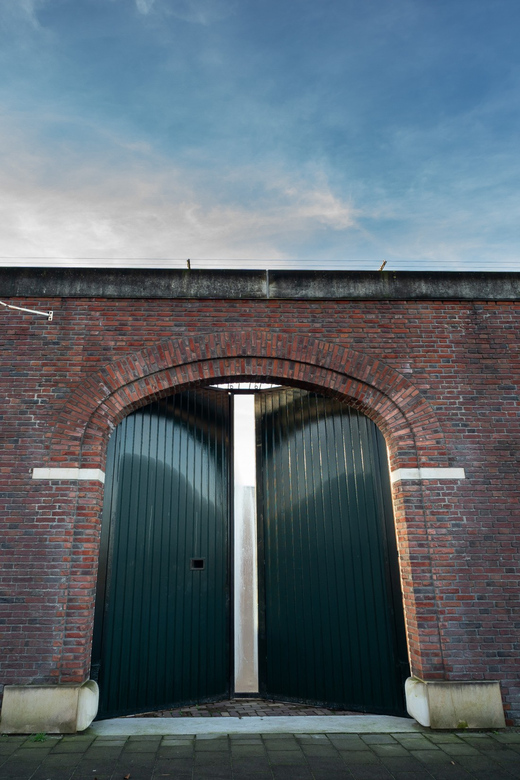
One reason I like this museum approach is that it does not treat WWII imprisonment as a single moment. It builds the story around the rise of the resistance and the broader context of Nazi occupation in the Netherlands.
As you move through the exhibit areas, you learn how the building functioned during the war and how the resistance movement grew under occupation pressure. That helps you connect individual stories to the larger historical forces shaping life at the time.
You will also see how imprisonment disrupted families. The exhibit includes the consequences of detentions beyond the walls, including how arrests affected relatives and what followed after the war. That angle is valuable because it gives the story a long shadow.
The emotional range is another standout. The exhibit covers injustice, fear, and hunger, but it also gives space to hope, solidarity, and faith in freedom. I think that is important for two reasons.
First, it respects the humanity of the prisoners, not just their suffering. Second, it helps you walk away with something usable in your own life: the idea that people responded to oppression with support, courage, and moral conviction.
Practical tips for a visit that feels respectful, not rushed
Because this is a memorial, the biggest practical tip is to plan your energy. Go with the mindset that you will likely spend time reading and listening. If you try to “power through,” you may miss what the audio and media are trying to communicate.
Here are a few ways to make it smoother:
- Give yourself extra minutes in the death cell area. This is the emotional anchor of the visit.
- Use the audioguide to pace yourself. If a section hits hard, stop, breathe, then continue.
- Expect mixed media. There are written materials, videos, and audio, so bring patience for more than one learning style.
- Plan food timing. With food and drinks not included, you do not want to wait until the end while already tired.
If you are visiting with kids, it can work, but you need to match the content to their maturity. There are families who have visited with children around school age and early teens, and the key is engagement. Ask them what they think the story is saying, and be ready to answer questions. If you want to keep the visit meaningful, that kind of conversation afterward helps a lot.
For adults, this site hits best when you do not treat it like a checklist. Take the time to connect the prisoners’ stories to the occupation context and the resistance timeline. That is when the memorial feels most complete.
Price and value: is $15 worth it?
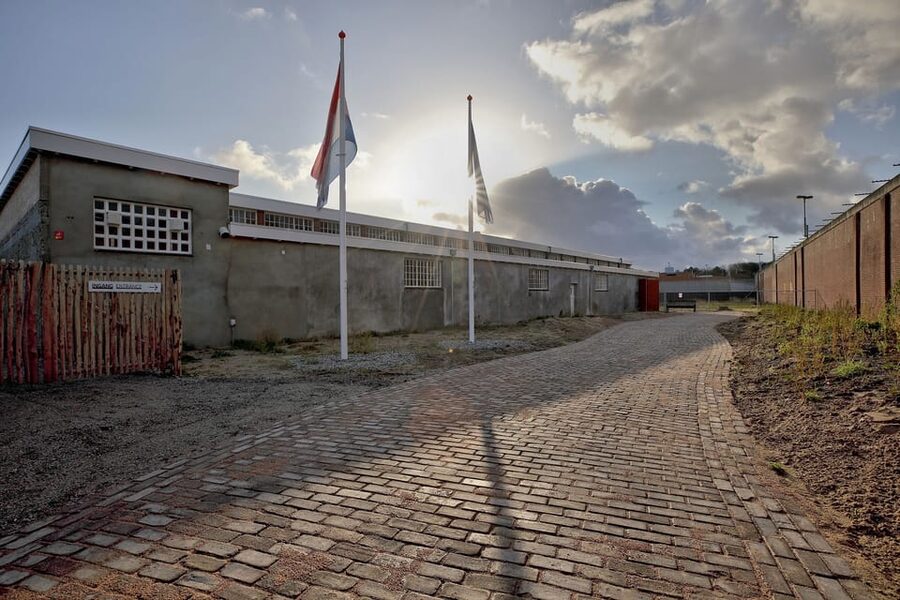
At $15 per person, the value is pretty strong, mainly because the experience is built around included audio and an important historical setting. You are paying for access to a Nazi prison memorial in the Netherlands, plus the audioguide that explains what you are seeing and hearing.
What helps the value is that you are not paying extra for interpretation. Many memorials charge for a guided component or additional programs. Here, the audioguide is included, and it is the core way you understand the story, including the death cell sections and prisoner accounts.
Also, the self-paced format lets you spend as long as you need. With an experience like this, “time spent” is part of the product. If you take your time to read, listen, and reflect, the price starts to feel even more fair.
Should you book Oranjehotel tickets?
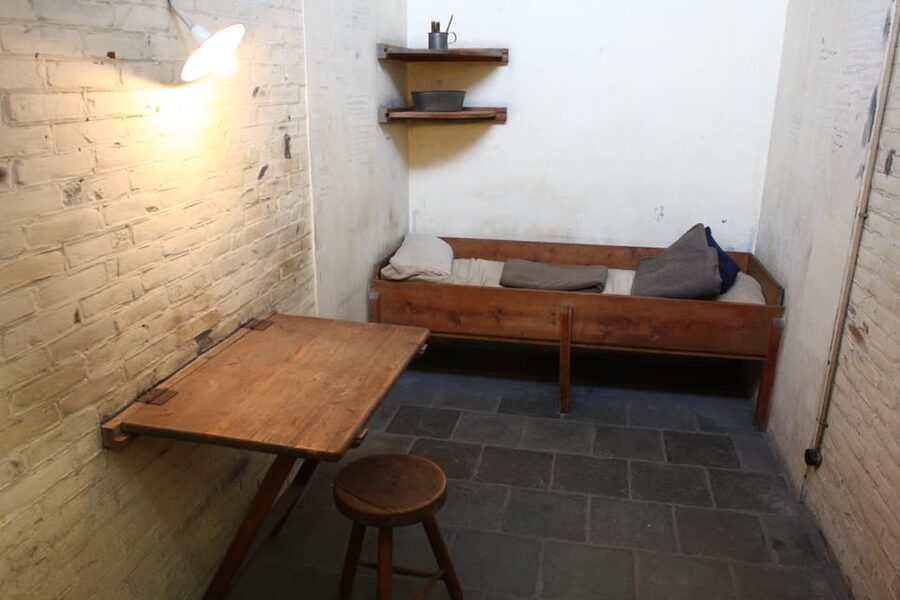
Yes, you should book if you want a focused, respectful way to learn about Nazi imprisonment in the Netherlands, especially the death-cell part of the story. The Cell 601 emphasis, the included audioguide in multiple languages, and the way the exhibit covers fear and hope alongside family consequences make this more than a quick history stop.
Skip it or rethink the fit if you are looking for a light museum day. This is heavy subject matter. Also, if your dream visit is walking through many preserved cells and hallways, adjust expectations ahead of time, since the experience relies heavily on audio, media, and interpretation.
If you like museums that tell a human story with evidence, not just dates, Oranjehotel is a solid choice.
Recently reviewed around Amsterdam
- Rotterdam Center: Cocktail Bar Walking Tour – Self Guided★ 2.9 · 9 reviews
- Rent a bike in Amsterdam | 1, 2, 3+ hours★ 4.5 · 68 reviews
- Amsterdam: Rijksmuseum Masterpieces Guided Small Group Tour★ 4.9 · 31 reviews
- Romantic Photoshoot Experience for Couples in Amsterdam★ 4.7 · 25 reviews
- Amsterdam: Queer Nightlife Tour★ 4.8 · 7 reviews
- Amsterdam: Self-guided Red Light District Pub Crawl Mystery★ 3.7 · 6 reviews
- Amsterdam: Red-Light District Pub Crawl and Booze Boat Tour★ 4.1 · 120 reviews
- Amsterdam: Private Red Light District and Food Tour★ 4.8 · 62 reviews
Tickets, compared.




Keukenhof Ticket and Roundtrip Shuttle Transfer
Read our review →
Moco Museum Amsterdam Entrance Tickets with Banksy & More
Read our review →