
Reviewed · RIJKSMUSEUM TOURS
Amsterdam: Rijksmuseum Private Tour
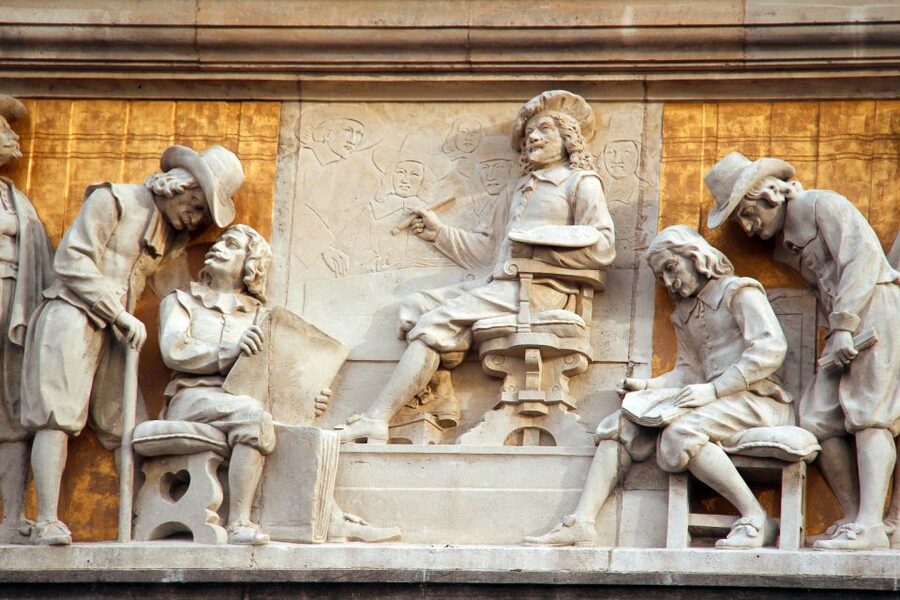
This Amsterdam experience works because it does not treat the Rijksmuseum like a checklist. You get a private 2-hour conversation-style tour aimed at the Dutch Masters, with real explanations of how paintings were made and why they mattered. A standout moment is the Honorary Gallery, where you see Rembrandt’s The Nightwatch and get the story behind what you’re looking at, guide names like Rolf (and sometimes Isabel) come up often.
I especially like the way the tour connects art technique to the meaning you see in front of you. You are not just told what a painting is, you learn how painters built images, layer by layer, and how viewers in the 1600s were trained to read paintings the way we read books or cartoons. Another thing I like is the guide’s flexibility, with Rolf known for adjusting to what your group wants to focus on, plus asking questions that get you noticing details instead of passively watching.
One possible drawback to plan for is timing inside a crowded museum. A couple of visitors felt a bit rushed near the end when the schedule had to shift to another group. If you are the type who wants to linger, you’ll get the most out of this tour if you communicate your must-sees early and stay ready to move at a confident museum pace.
Key points to know before you go
- Private group up to 2: You get a guide focused on your questions, not a lecture for a busload of people.
- Honorary Gallery highlight: The tour explicitly targets The Nightwatch for a reason, not just a quick stop.
- Technique-first explanations: You learn how 17th-century painting worked, not only the biographies.
- Dutch Master themes made practical: You connect artwork to everyday life, teaching, and status.
- Guide quality and energy: Rolf is frequently cited for enthusiasm, and Isabel can step in just as effectively.
- Crowds can affect pace: Plan to move briskly, especially toward the finish.
Why Dutch Masters still work in 2025, even if you are not an art expert
The Dutch Masters of the 17th century stay popular because the paintings were built to communicate. For everyday people back then, a picture was not only decoration. It could teach, persuade, and signal identity, much like a printed story or a visual gag you would learn to read.
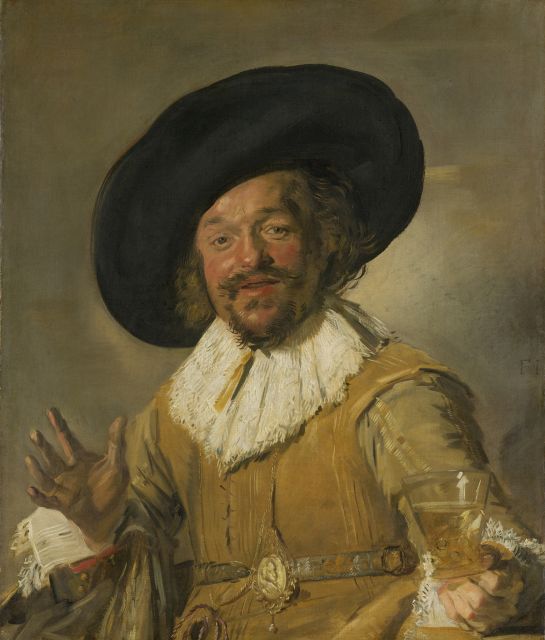
This tour leans into that mindset. You’ll spend your time on paintings by Rembrandt, Vermeer, Frans Hals, and more, but the point is how you should look. The guide explains technical aspects of painting, then connects those details to what the work is doing. That changes the whole vibe of museum time. Instead of staring at “pretty” or “dark” or “famous,” you start asking what the artist is showing you, and why it would matter to a viewer of that era.
You also get context that makes the art feel more grounded in real life. You’ll hear how the Dutch ruled the waves and followed in the footsteps of Spanish and Portuguese maritime power, and how that shaped ambition, trade, wealth, and cultural taste. Then the tour points out the big shift in subjects: kings, queens, emperors, mythological and historical scenes did not disappear, but common scenes from daily life took a larger role. That is a huge clue to how Dutch culture saw itself, and it’s exactly the sort of thing that turns a museum stop into a story you can remember.
More Rijksmuseum tours and tickets:
- Amsterdam: Rijksmuseum Entry Ticket
★ 4.7 · 25,535 reviews - Amsterdam: City Canal Cruise and Rijksmuseum
★ 4.5 · 2,129 reviews - Rijksmuseum Amsterdam Small-Group Tour with Private Upgrade
★ 4.5 · 1,547 reviews
The 2-hour private format, and how it helps you actually see the art
This is a private group experience for up to 2 people, which is a big deal in a museum like the Rijksmuseum. Even if you love art, the museum can feel overwhelming. A guide turns the time into a focused route with explanations timed to what you can see right now.
The tour is planned around a 2-hour visit, and it works best if you treat it like guided discussion, not a race. The guide covers techniques used by Rembrandt, Vermeer, and Hals, plus the differences between periods of European art. It is also interactive in style. In practice, the guide’s method includes asking you questions about what you notice and helping you compare works in a way that makes you look harder, but with less effort.
Language is another strength. The live guide can tour in Dutch, English, or German, so you can pick what feels most comfortable for you. For families, this matters too. Teenage visitors often engage more when the guide ties art to recognizable human behavior and choices, and the tour does that by framing pictures as teaching tools and social messages rather than distant museum objects.
One practical note: the tour includes advice on how to skip-the-line or make it bearable, but it does not include your entrance ticket. That means you should plan to buy tickets separately in advance or use a museum pass approach if you have one.
Honorary Gallery and The Nightwatch: what makes this stop the core of the tour
If you’re only going to lock in one museum moment, it should be The Nightwatch, and this tour understands that. Your visit includes time in the Honorary Gallery specifically to see Rembrandt’s masterpiece, with full explanations.
What I like about how the tour approaches The Nightwatch is that it doesn’t stop at fame. You’re guided to understand the painting as a constructed message. The guide connects technical choices to meaning, and also places the work in the wider 17th-century Dutch world the museum represents. In other words, you get both the art mechanics and the cultural context.
The value here is time. Without guidance, you can find yourself circling famous works without really decoding what makes them tick. With this tour, the guide’s job is to teach you how to read what you’re seeing, so The Nightwatch becomes less of a photo-op and more of an experience you understand.
One small pacing caution: because the museum is crowded and the tour is limited to 2 hours, you might feel the schedule tighten later on. If you care a lot about The Nightwatch, it’s smart to say so early. That way, the guide can shape the tour flow so your favorite moment gets enough attention.
Medieval art vs Dutch and Flemish innovation: how the guide changes your “before and after”
A key part of the tour is comparing older European art with the later innovations of Flemish and Dutch Masters. You’ll learn the difference between Medieval art and what came next, and why that shift matters for what you see in the galleries.
This matters because it changes what your eyes expect. Medieval art often feels more symbolic and less tied to naturalism in the same way later schools aimed for. Flemish and Dutch artists, including the ones you’ll see here, push further into believable scenes, expressive character, and details that reward close looking.
The guide uses these comparisons to make the museum less confusing. Instead of treating each painting as an isolated masterpiece, you start seeing the evolution of styles and the reasons artists made new choices. If you have ever felt like art history is just names and dates, this is one of the better antidotes. The tour turns style change into a practical viewing skill: you learn what to look for, and then you test it on the works in front of you.
A few more Amsterdam tours worth comparing
- Van Gogh Museum Tour Reserved Entry Semi Private
★ 5.0 · 1,437 reviews - Private Amsterdam Red Light District and Coffee Shop Tour
★ 5.0 · 763 reviews - Anne Frank and Jewish Quarter Amsterdam Private Walking Tour
★ 5.0 · 684 reviews - Amsterdam Airport & Non-Airport Private Transfer to City Center
★ 4.5 · 521 reviews
Vermeer and Frans Hals: why everyday scenes can feel more human than portraits
This tour’s lineup includes major works by Vermeer and Frans Hals, along with Rembrandt and other highlights. You won’t just get a list of artists. You’ll learn how 17th-century painters built a relationship between subject and viewer.
A theme you’ll hear about is the move toward everyday life. Paintings of royals and mythological or historical stories were still present, but daily scenes became more prominent. That shift is not random. It reflects what people cared about, what they wanted on their walls, and how art functioned as a teaching tool in a world with no school books or television the way we know them today.
For you as a visitor, this is where the tour can click fast. If you’re someone who thinks museums are only for experts, this focus on recognizable human life can make the paintings feel closer. You learn that even the smallest details likely had meaning. Clothing, posture, expressions, and compositional choices become readable clues rather than decorative extras.
With Vermeer and Hals in particular, this approach helps you look beyond the obvious. You can start paying attention to the “how” behind the “wow,” and the guide’s explanations of technique give you a way to understand why the paintings look the way they do.
How the guide’s explanations work, and how to get the most out of the questions
A strong private guide is not only about facts. It’s about pacing and attention. The tour includes full explanations that cover technical aspects of painting and hidden meanings in select works. That is the sweet spot for a private format.
A guide style that comes up often with this experience is active engagement. Rolf, for example, has been described as starting with the museum’s architecture and history, then moving into the art and artists. He also asks questions like what you notice in a painting, how you compare works, and what you like or dislike about the style. That method is practical because it turns you into a participant, not an audience member.
If you want to maximize the value, come with two things:
- One or two artists you want to understand better, like Rembrandt or Vermeer
- One type of painting you normally enjoy, portraits, interiors, street life, religious scenes, and so on
Then let the guide steer. The tour is designed to adjust to what you care about, and the best moments tend to be the ones where your questions meet the guide’s explanations.
Tickets, passes, and the best way to handle a famous museum with limited time
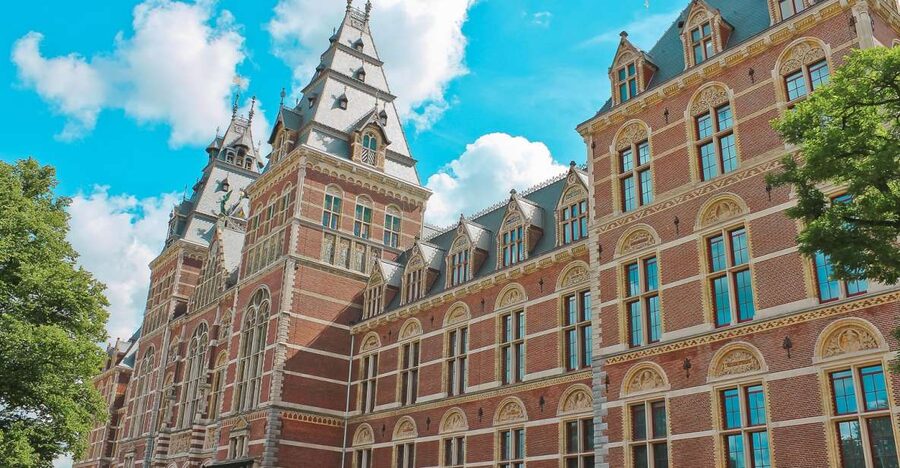
This experience does not include the entrance ticket. You will need to buy your museum entry separately. The tour does include advice on how to skip-the-line or make waiting more bearable, which is useful because the Rijksmuseum is popular.
For added value, the tour information specifically points you toward getting an Amsterdam Card, available on GetYourGuide. It allows access to unlimited museums and includes public transport, including train service from the airport to Amsterdam city centre and trams in town. If you plan to visit multiple museums in a short window, that can change the math of your whole trip, especially when time matters.
For this particular tour, a pass can also reduce friction. You can spend your energy on the art instead of logistics, and a private guide becomes even more worthwhile because the tour time is your scarce resource.
Meeting point inside the museum: where you actually find the guide
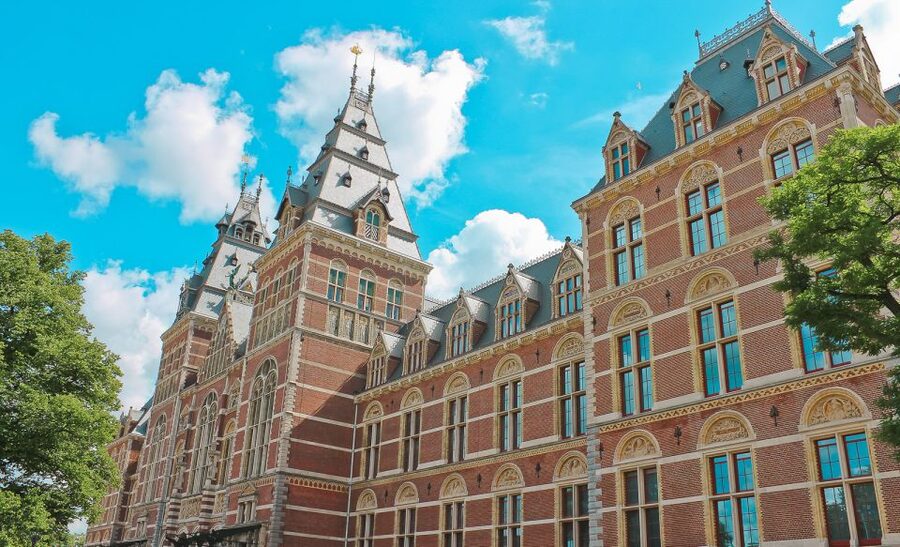
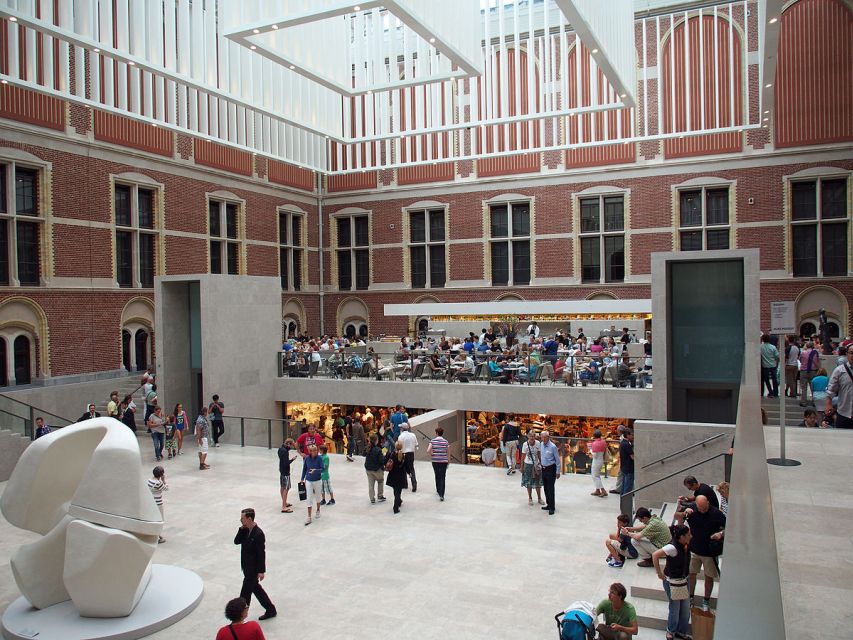
The meeting point is inside the Rijksmuseum, after you enter. You will meet your guide at a round info counter, then you look about 10 meters to the right for a small sign that reads meeting point. It’s simple once you’re inside, but it’s worth arriving with a few minutes to spare so you can orient yourself before the tour starts.
If you’re the type who hates uncertainty, this is the moment to stay calm. The museum is large and busy. Once you locate that info counter and the meeting sign, you’re set.
Crowds and the risk of feeling rushed, plus how to prevent it
The Rijksmuseum can be crowded, and one fair concern from past visitors is that the tour felt a bit rushed toward the end when the guide had another tour later that afternoon. That doesn’t mean the explanations are poor. It means time can tighten when the museum is busy and the schedule has to keep moving.
You can reduce the risk by doing two things:
- Prioritize your must-see works early, especially The Nightwatch
- Stay flexible on the order of viewing, since the guide needs to work around crowds
Also, use your guide’s strengths. If your guide asks what you want to spend more time on, answer clearly. Guides like Rolf are known for adjusting to interests, and that’s how you keep the pacing from feeling like a compromise.
Who this Rijksmuseum private tour suits best
This tour fits best if you want art history that feels like a real conversation. You’ll enjoy it if you like learning how paintings were made, not only who painted what. The technique focus helps even if you don’t have an art background. It also helps families, since the explanations are aimed at making paintings understandable, and teenage visitors have been known to stay engaged.
It also works well for mixed-age groups. One past visitor mentioned that the guide helped arrange a wheelchair for an older family member, and the tour is listed as wheelchair accessible. If mobility is a concern, it’s a good idea to ask about comfort and pacing when you meet.
Because it is private and up to 2 people, it’s also good value for couples or small parties who want attention rather than a group experience.
Should you book this Amsterdam Rijksmuseum private tour?
Yes, I’d book it if you want a focused, story-driven way to see the Dutch Masters, especially if Rembrandt and The Nightwatch are on your list. The big value is the combination of private attention and explanations that connect technique to meaning, plus the specific Honorary Gallery stop.
I’d hesitate only if you are extremely sensitive to time pressure. Since the museum gets crowded and the tour is short, you might have less freedom to linger on every detail than you would on your own. If you can accept a guided pace, this tour is a strong way to make the Rijksmuseum feel understandable instead of overwhelming.
FAQ
Is the entrance ticket included?
No. The tour includes a private guide and advice to help with skipping the line or making it bearable, but the entrance ticket is not included.
How long is the tour?
The tour is a 2-hour private tour of the Rijksmuseum.
How many people are in the private group?
It is priced for a private group up to 2 people.
Where do we meet the guide inside the museum?
You meet your guide inside the museum after you enter. Look for the round info counter, then go about 10 meters to the right to a little sign that reads meeting point.
What languages are available?
The live guide can tour in Dutch, English, or German.
Does an Amsterdam Card help with this trip?
The information provided suggests getting an Amsterdam Card, which allows access to unlimited museums and includes public transport, including train service from the airport to Amsterdam city centre and trams in town.
Recently reviewed around Amsterdam
- Amsterdam Highlights Canal Cruise with a Drink★ 5.0 · 66 reviews
- Private walking tour Amsterdam. English or Spanish.★ 5.0 · 21 reviews
- Guided Private Bar Tour in Amsterdam City Center★ 5.0 · 4 reviews
- Amsterdam Private Boat Trip With Skipper, Burger and Beers★ 5.0 · 5 reviews
- Private Arrival Transfer: Schiphol Airport Amsterdam★ 3.5 · 30 reviews
- Arrival Private Transfer Amsterdam Airport to Amsterdam City Center by Minibus★ 4.5 · 7 reviews
- 2-Hour Private Anne Frank Walking Tour with Drink★ 5.0 · 3 reviews
- Private Amsterdam WW2 walking tour★ 4.5 · 15 reviews
Rijksmuseum Tours, compared.


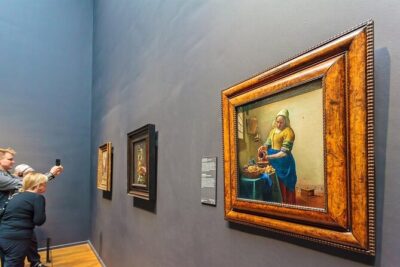
Rijksmuseum Amsterdam Small-Group Tour with Private Upgrade
Read our review →
Rijksmuseum Entry Ticket and Canal Cruise Combo
Read our review →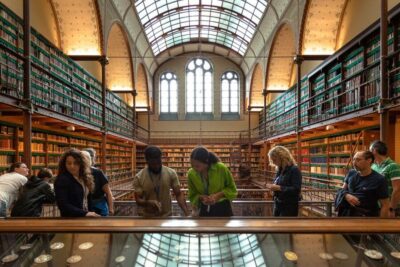
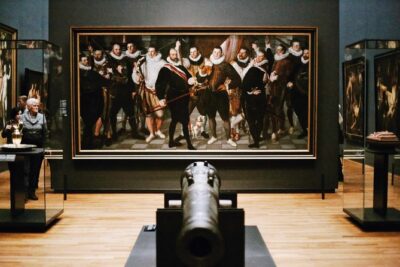
Rijksmuseum Amsterdam Exclusive Guided Tour w/ Reserved Entry
Read our review →
Van Gogh & Rijksmuseum w/ Reserved Entry Semi-Private 8ppl Max
Read our review →
Rijksmuseum Amsterdam and Canal Cruise with Snackbox
Read our review →Browse the lists this tour appears in