
Reviewed · AMSTERDAM WALKING TOURS
Amsterdam: City walking experience with a local
Amsterdam is easy to romanticize, but this 2-hour city walk turns that romance into real street stories, from the UNESCO canal belt to the marks of WWII and the city’s modern mindset. You’ll move through major squares, quiet courtyards, and the places Amsterdam is known for being open about. A guide like Manouk keeps it lively and practical, not lecture-only.
I love how the route connects iconic stops like Dam Square and Begijnhof to everyday details, especially the canal layout and the city’s bike culture. I also like the way the tour adds taste and momentum, with a stroopwafel partway through and a small souvenir at the end, plus insider tips that help you spot where locals actually go.
One thing to note, you will not enter the Royal Palace, and entrance tickets are not part of this walk. If palace viewing is the main reason you’re in Amsterdam, you’ll want a separate plan.
Key highlights worth planning around
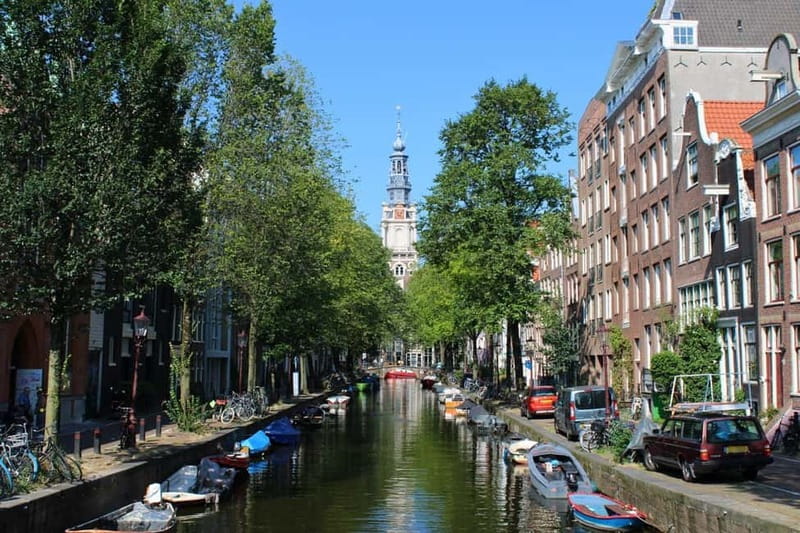
- UNESCO canal belt context and how Amsterdam’s old waterways fit modern life
- The 3 XXX stories, including coffeeshops and prostitution, explained in a historical way
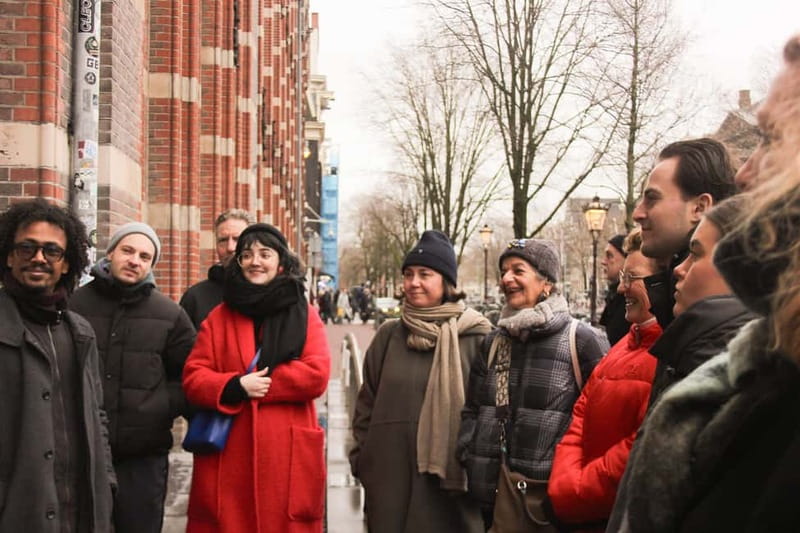
- Small group energy with room for questions, led by Manouk
- Canals, Dam Square, Begijnhof, and the Red Light area all in one focused loop
- Stroopwafel mid-tour and a small souvenir to remember the walk
Why This Amsterdam Walk Works (Local Eyes, Not a Script)
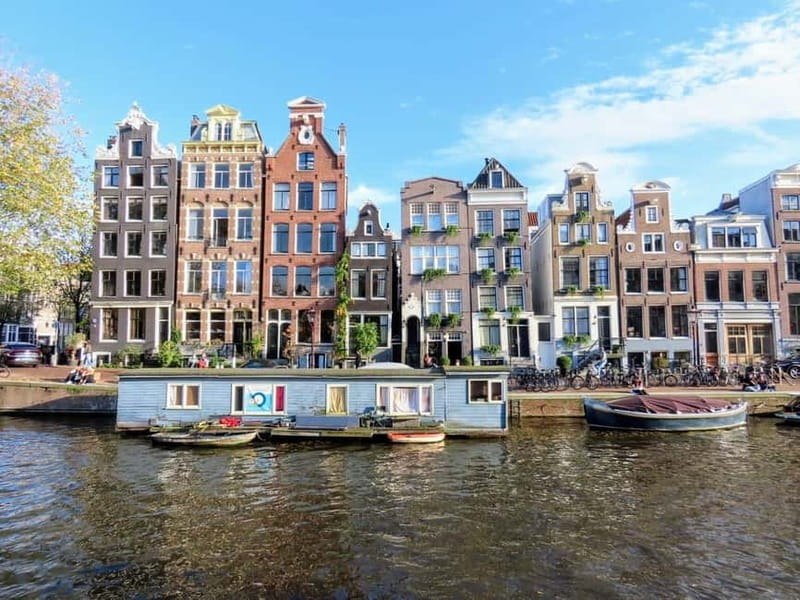
This tour is built for people who want more than photos. You get a clear thread through the city: how Amsterdam grew from a small medieval settlement into a place known for being liberal and practical. That theme shows up again and again as you pass squares, courtyards, and canals, and as the guide connects past events to how the city functions today.
The small group format matters more than it sounds. It keeps the pace human, so you can ask questions, get pointed advice, and actually remember what you saw instead of racing from stop to stop.
I also appreciate the balance in what you’ll cover. You’re not just looking at pretty buildings. You also hear why Amsterdam is famous for its coffee shops and prostitution, how WWII shaped the city, and why the bike system is so central to daily life. If you’ve ever wondered why Amsterdam seems to run on bicycles, this is one of the faster ways to understand the logic.
The overall tone feels relaxed, and the guide uses real street moments to explain bigger ideas. It’s the kind of walk that helps you get your bearings fast and start exploring on your own afterward.
More walking tours in Amsterdam:
- Anne Frank’s Story – Guided Walking Tour through Amsterdam
★ 5.0 · 11,619 reviews - Amsterdam: Life of Anne Frank and World War II Walking Tour
★ 4.8 · 10,467 reviews - Absolutely Amsterdam – the Essential Introductory Walking Tour
★ 5.0 · 3,629 reviews
Starting at Beursplein, Ending Back There
You start at Beursplein, waiting at the bottom of the stairs of Bistro Berlage. Look for the guide by the large black lantern, holding a sign that says Guidance. The tour ends back at Beursplein, so you avoid the hassle of figuring out how to get across town after a 2-hour walk.
This is a live guided experience in English and Dutch. The pacing is built around a two-hour window, so it’s ideal for your first or second day when you want to understand the city structure without giving up your whole afternoon.
A few practical notes that can affect your experience:
- Alcohol and drugs are not allowed.
- It is not suitable for children under 12.
- It is wheelchair accessible.
You can also book as a private group if you want more control over the vibe and pace, or if you’re traveling with a small crew that wants less mingling.
If you’re sensitive to adult-themed topics, just know this walk specifically discusses coffeeshops and prostitution as part of the city’s story. The guide frames it historically and socially, not as shock value, but it is still part of the conversation.
Dam Square and Spui Square: Big Politics, Public Life
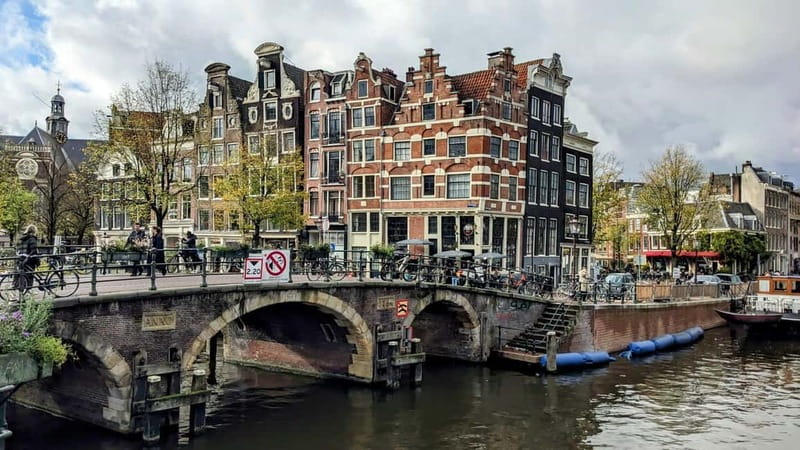
Your walk hits Dam Square early, which is a smart move because it sets the tone. This is one of those Amsterdam places that feels like a city stage, where multiple eras overlap in plain sight. The guide uses it to talk about how Amsterdam developed into the modern city you see today, and how power and public space shaped everyday life.
You’ll also get context around the Royal Palace area, but with an important limitation: the Royal Palace is not visited, and entrance tickets are not included. That’s not a deal-breaker for most people, because the main value here is learning what the location means and how it fits the city’s evolution. Still, if palace interiors are a top priority, plan a separate ticket on another day.
Next comes Spui Square, which helps break up the heavier main-square feeling with a more open, walkable urban space. It’s a good place for the guide to shift from political landmarks to how people actually move, meet, and live in the city. If you’ve been trying to map Amsterdam in your head, these central squares are where things start to click.
If you care about photos, this is the moment to use them strategically. Squares give you broad views and strong angles, and the guide will point out better photo spots than the usual random stop where everyone crowds the same corner.
Begijnhof and Huis Aan De Drie Grachten: Peaceful Corners With Meaning
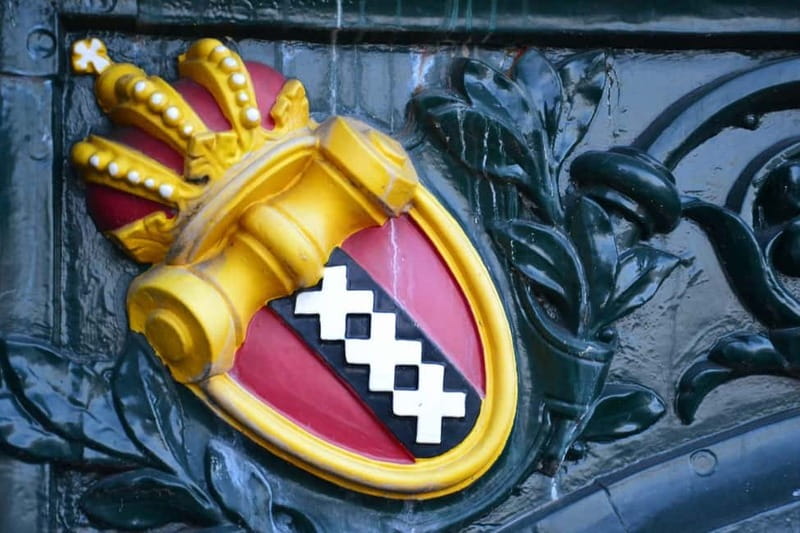
After the big public energy, you move into a different Amsterdam mood with Begijnhof. This is one of those places where the city can feel quieter at street level, even while you’re still in the center. In this tour, it’s not about pretending Amsterdam is always loud and loud people, it’s about showing how different parts of the city reflect different needs and attitudes over time.
Begijnhof also works well thematically. The guide connects the tolerant vibe you hear about Amsterdam to what people historically valued in daily life, and to how the city evolved rather than simply staying frozen in its medieval look.
Then you’ll head to Huis Aan De Drie Grachten, a stop that adds character and depth to your canal-and-courtyard understanding. Even if you’ve been in canal towns before, this is the kind of place where your brain starts noticing details: angles, facades, and the way buildings sit in relation to water and streets. The guide uses these observations to talk about how the city’s history shows up in today’s layout.
A practical tip here: go slowly. Courtyards and special buildings reward your attention. If you rush, you’ll miss the little visual cues the guide is clearly pointing out. This is also where questions are worth asking, because the history-to-today connections get clearer in quieter settings.
A few more Amsterdam tours worth comparing
- Amsterdam: 75 Minute City Canal Cruise with Audio Guide
★ 4.4 · 17,501 reviews - Amsterdam: City Centre Canal Cruise
★ 4.2 · 12,827 reviews - Amsterdam: Smoke and Lounge City Boat Cruise
★ 4.7 · 8,572 reviews - Amsterdam: Guided Bike Tour City Centre in EN/DE/FR/ES
★ 4.7 · 4,187 reviews
Nieuwmarkt Square and Amsterdam Centraal: How the City Moves
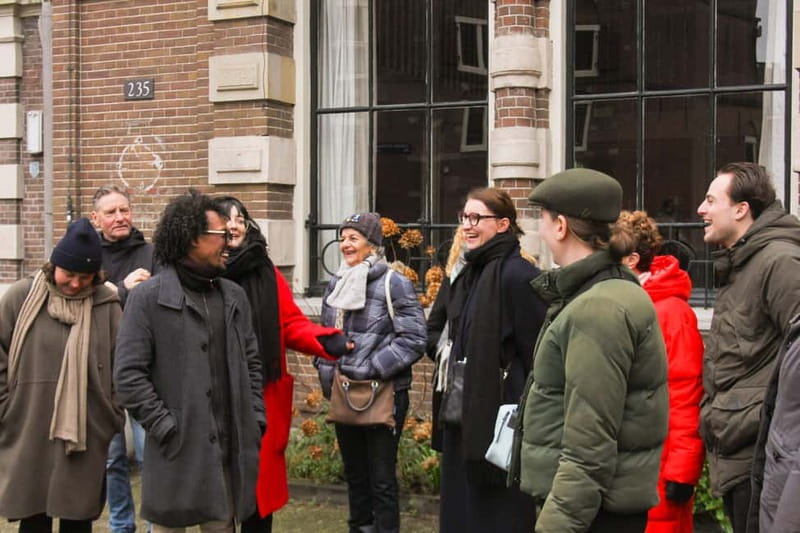
Nieuwmarkt Square is next, and it helps connect the walk’s stories to what Amsterdam looks like when you zoom out. This part of the route reinforces the idea that Amsterdam didn’t just grow, it adapted. The guide keeps returning to that evolution theme, including how the city met modern needs as it changed.
Then you finish up with Amsterdam Centraal Station. Even if you’ve seen big stations in other European cities, Amsterdam Centraal has a particular effect because it sits so tightly inside the city rhythm. It’s a good way to end the walk, because it reminds you Amsterdam is not just a museum. It’s a working city where history still affects how people commute, plan, and show up.
This station stop also gives you a natural reset. By then, you’ve covered the major landmarks, heard about WWII and tolerance, learned the gist of the coffeeshop and prostitution stories, and talked bikes. Ending here makes it easier to convert your new understanding into actual plans for the rest of your trip.
If you’re trying to schedule your day, the tour’s structure is useful. In two hours, you get a framework for the center so the later hours of wandering feel intentional rather than random.
Canals, Bikes, WWII Memory, and the 3 XXX Stories
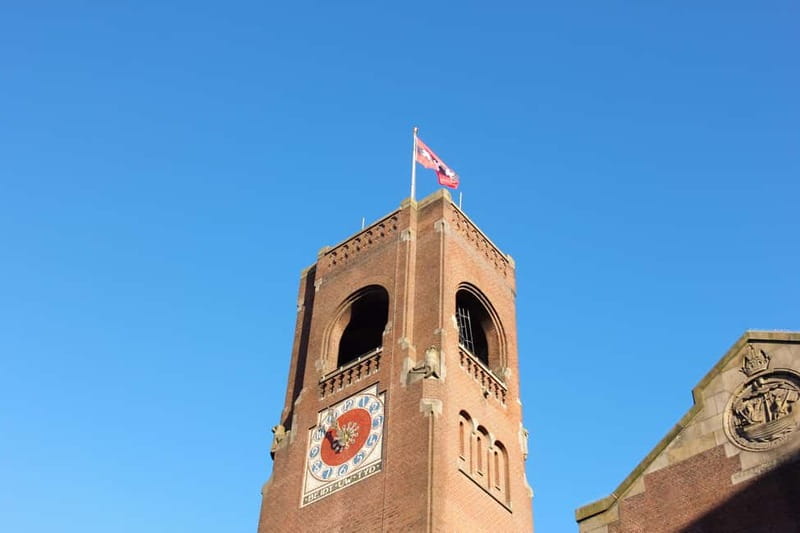
This is the heart of the tour. You’ll cover canals and specifically discuss the UNESCO-listed canal belt, using it as a window into how Amsterdam was built for people and how that planning meets today’s city life. It’s also where the guide makes history feel practical, not abstract.
WWII is another major thread. You’ll hear about its impact on Amsterdam, and how that period still shows up in the city’s story and attitudes. Even if you already know the basics, hearing it placed into the walk’s actual streets helps you remember the timeline.
Then come the topics people expect from Amsterdam, the 3 XXX stories, including coffeeshops and prostitution. The guide handles these in a way that aims for understanding rather than shock. It helps you see how these parts of the city became part of a broader debate about freedom, regulation, and modern identity.
And yes, bikes get their moment too. You’ll talk about why there are so many bikes and what happens to the ones that disappear. That’s one of those Amsterdam questions that sounds silly until you live in a city where bicycles are the default mode. By the end, you’ll understand the bike culture as more than decoration or a tourist quirk.
You’ll also pick up hidden spots and photo-friendly angles along the route. The goal isn’t to trick you into chasing shortcuts. It’s to help you avoid the tourist traps the guide clearly wants you to skip so you can see the real center.
Stroopwafel Midway and a Souvenir That Actually Helps
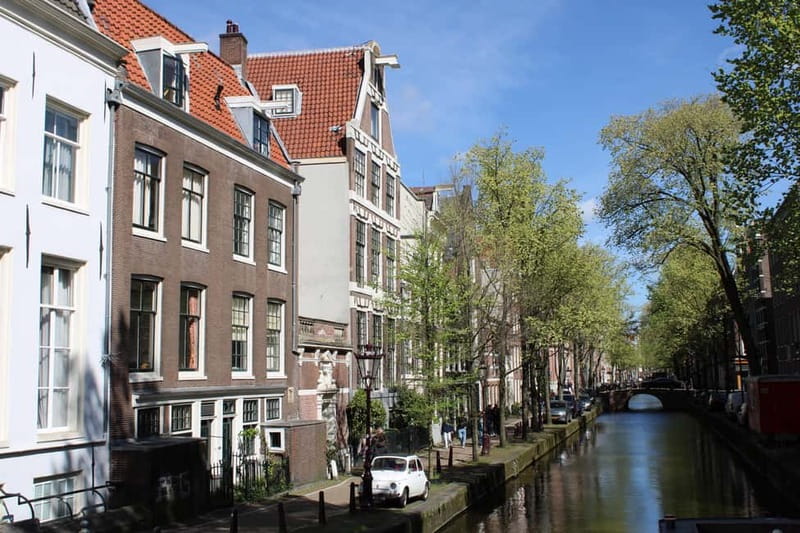
No Amsterdam walk feels complete without a food moment, and this one includes a stroopwafel during the tour. It’s timed well, since it gives you a break before you hit the later stops. Also, it’s a simple way to taste something Dutch without turning your walking day into a restaurant plan.
The tour also includes a small souvenir at the end. It sounds small, but souvenirs you get at the close of an experience tend to do more than sit on a shelf. They remind you where you learned the story, not just what you bought.
If you have dietary limits, the tour data only says you get a Dutch snack, it does not list ingredients or alternatives. When you book, it’s worth checking for dietary accommodations so you’re not surprised.
One more practical point: since alcohol and drugs are not allowed, plan to rely on water and your own energy during the walk. The snack helps, but this is still a 2-hour stroll.
Price and Value: What $28 Buys in Two Hours
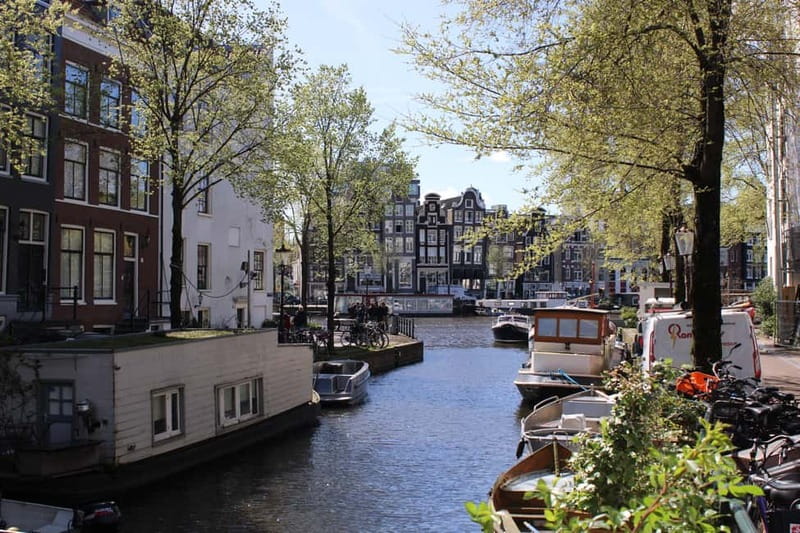
At $28 per person for a 2-hour small group walk, the value mostly comes from the mix. You get a local guide, a Dutch snack, and a small souvenir, plus a structured story that touches canals, squares, WWII, bikes, and Amsterdam’s well-known social topics.
If you try to do this on your own, you can absolutely walk the streets and take photos. The question is what you gain while you’re there. What you’re paying for is interpretation: why the city looks the way it does, how tolerance is rooted in history, and how the modern city developed around those realities.
Also, you’re not spending time lining up for one specific attraction. You’re getting a broad, cohesive orientation in a short window. That makes it especially useful early in your trip, before your feet and attention get scattered across the city.
A quick reality check: Royal Palace entrances are not part of the tour, so you’re not paying for palace access. For some people, that’s exactly right. For others, it’s a reason to plan a separate palace visit.
If you like walking tours that feel like a guided conversation, this one makes sense. If you’re only after architecture and don’t care about social history and bikes, you might prefer a more museum-style option.
My Practical Tips for Getting the Most Out of Your Walk
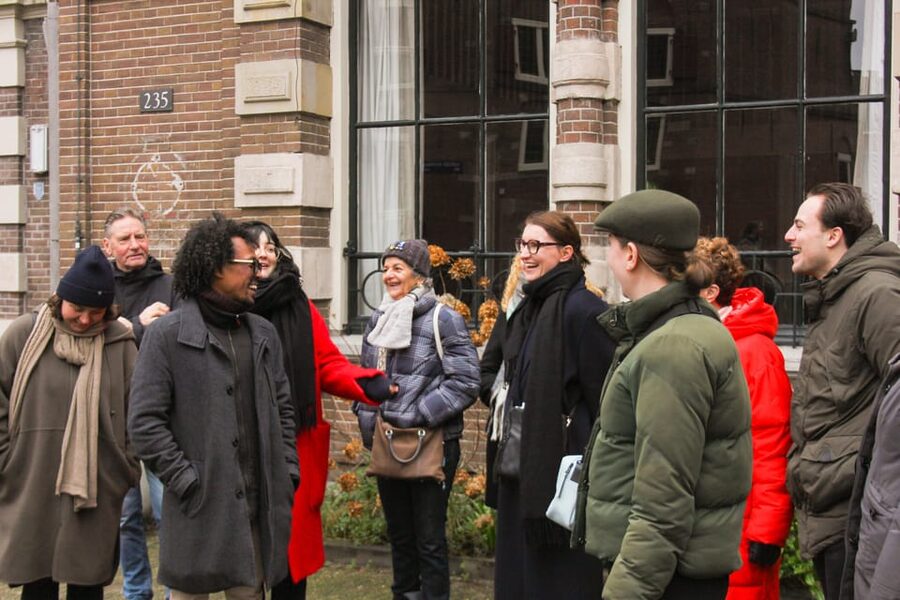
Come with comfortable shoes. You’ll be on your feet for two hours, and Amsterdam center streets can be more tiring than they look in photos. If you’re tempted to wear the newest uncomfortable pair, don’t. Your future self will thank you.
Bring a phone or camera and keep it ready, because the guide will point out photo spots. You’ll also want to save some storage for canal views and the mix of open squares plus quieter courtyards.
Ask questions early. The guide you’ll meet, including Manouk in the strongest examples, does a great job of including everyone and encouraging questions. If you’re curious about the bike system or how the city talks about coffeeshops and prostitution, ask when those topics come up. You’ll get more direct answers while everything is still fresh.
Finally, treat the walk as a map for later. When you finish back at Beursplein, you should feel like Amsterdam makes sense. Use the new bearings to choose your next neighborhoods instead of wandering with no plan.
Should You Book This Amsterdam Walking Tour With Manouk?
Book it if you want a tight two-hour orientation that blends the classic sights with the real stories behind them. It’s a solid choice for first-timers who want canals, Dam Square, Begijnhof, and the Red Light area explained in context, plus a bike and WWII thread that makes the city feel more understandable.
Don’t book it if the Royal Palace is your main goal. This walk does not include visiting the palace, and you won’t get palace ticket time as part of the experience.
If you’re traveling with a small group and want a guided conversation, look at the private group option. If you’re traveling with a family, remember it is not suitable for children under 12.
Overall, for the price, the guide-led structure plus the stroopwafel and souvenir make it a good use of time. You leave with a clearer sense of Amsterdam, not just a stack of pictures.
FAQ
How long is the Amsterdam walking experience?
The tour lasts 2 hours.
Where do I meet the guide?
Meet at Beursplein. Wait at the bottom of the stairs of Bistro Berlage, by the large black lantern where the guide is holding a sign that says Guidance.
What languages is the tour offered in?
The live guide speaks English and Dutch.
What’s included in the price?
Included are a local guide, a Dutch snack, and a small souvenir.
Is the Royal Palace part of the tour?
Entrance tickets for the Royal Palace are not included, and the palace is not visited during the tour.
Are alcohol or drugs allowed during the tour?
No. Alcohol and drugs are not allowed.
Is the tour wheelchair accessible?
Yes, the tour is wheelchair accessible.
What is the cancellation policy?
You can cancel up to 24 hours in advance for a full refund.
Recently reviewed around Amsterdam
- Rotterdam Center: Cocktail Bar Walking Tour – Self Guided★ 2.9 · 9 reviews
- Rent a bike in Amsterdam | 1, 2, 3+ hours★ 4.5 · 68 reviews
- Amsterdam: Rijksmuseum Masterpieces Guided Small Group Tour★ 4.9 · 31 reviews
- Romantic Photoshoot Experience for Couples in Amsterdam★ 4.7 · 25 reviews
- Amsterdam: Queer Nightlife Tour★ 4.8 · 7 reviews
- Amsterdam: Self-guided Red Light District Pub Crawl Mystery★ 3.7 · 6 reviews
- Amsterdam: Red-Light District Pub Crawl and Booze Boat Tour★ 4.1 · 120 reviews
- Zaanse Schans Windmills, Fishing Villages & Countryside★ 5.0 · 18 reviews
Amsterdam Walking Tours, compared.
Anne Frank’s Story – Guided Walking Tour through Amsterdam
Read our review →
Life of Anne Frank and World War II Walking Tour
Read our review →
Absolutely Amsterdam – the Essential Introductory Walking Tour
Read our review →

Anne Frank Walking Tour – Guided in EN/DE/IT/ES
Read our review →
Anne Frank Walking Tour Amsterdam Including Jewish Cultural Quarter
Read our review →Browse the lists this tour appears in