
Reviewed · 2-HOUR EXPERIENCES
2 Hour Making Rembrandt’s Traditional Oil Paints in Amsterdam
This type of experience is interesting because you are not just looking at art in Amsterdam, you are making the materials artists used. In a hands-on session, you create hand made oil paints, then use them to make a small piece of your own. It is a very practical way to understand how Rembrandt van Rijn achieved depth of color.
I like that you get to work with 14 natural pigments and mix them yourself. I also like that it is a private class with personal attention, led by instructor Eric, who connects the chemistry of paint with the practical choices behind Rembrandt’s look.
One possible drawback is that you should expect a focused workshop, not a long guided walk or museum tour. If you want lots of sightseeing time, this 2-hour format might feel short for the money.
Key things that make this workshop worth your time
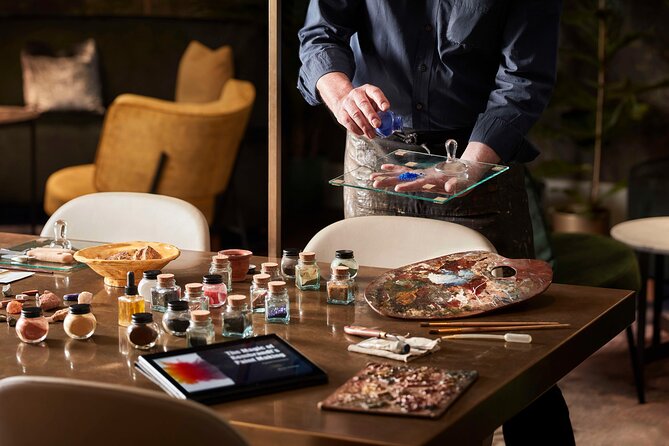
- 14 natural pigments in real oil paint mixes so you can see how color shifts when you blend
- Rembrandt-focused technique talk while you work, not as a long lecture before anything happens
- Private class format so you can ask questions and get help during the mixing and painting
- A mini masterpiece you make with your own paint, giving you a take-home memory you actually created
- English instruction with a mobile ticket for easy check-in
Two hours of Rembrandt-style paint making in Amsterdam
Amsterdam is full of art, but most experiences keep you on the viewing side of things. This workshop flips the script. You spend about 2 hours learning how traditional oil paint is made, using a Rembrandt-inspired approach, and then you put those colors to work on a small painting.
The setting is at Nieuwe Doelenstraat 24, 1012 CZ Amsterdam, and the activity starts in the afternoon window. The time matters because you can pair it with a relaxed morning of canal wandering or museum time, then use the workshop as your creative reset.
This is also a good fit if your schedule is tight. At $114.88 per person, you are paying for materials, one-on-one attention for your group, and guided technique. It is not the cheapest Amsterdam activity. But it is also not a passive show. You are buying the chance to understand paint as an artist material, not just as an image on a wall.
A few more Amsterdam tours worth comparing
- Amsterdam: 2-Hour Canal Cruise incl. Drinks & Dutch Snacks
★ 5.0 · 594 reviews - Amsterdam 2-hour Private Canal Cruise with Live Guide and Drinks
★ 5.0 · 296 reviews - Amsterdam 2-Hour Evening Cruise With Live Guide and Bar
★ 5.0 · 134 reviews
What happens in the workshop, from pigments to your mini canvas
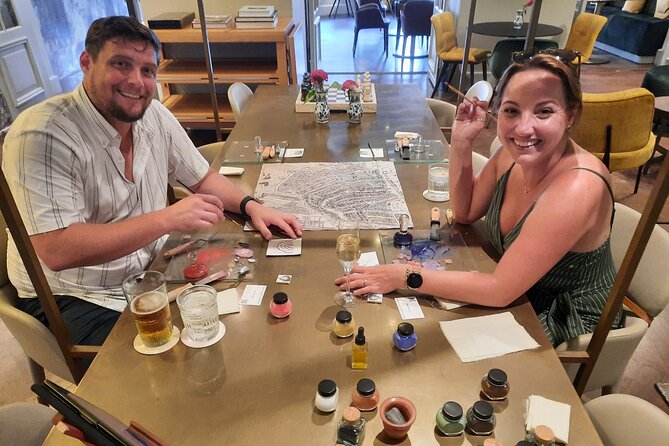
The core flow is simple and satisfying: you make the paint first, then you paint with it. Even though it is only about two hours, the structure helps you avoid the common frustration of short classes, where you learn a technique but never fully use it.
Here is the likely sequence you should expect:
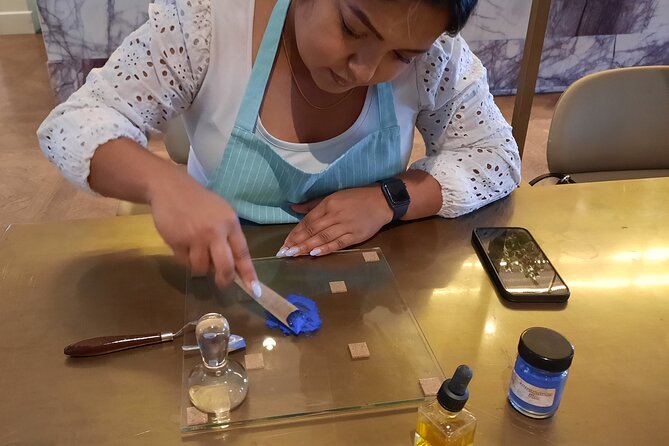
First, you work on the basics of creating hand made oil paints from natural pigments. This is where you learn what changes when you combine pigment and oil, and why painters cared about getting the mix right before they touched the brush.
Next, you get to build your own color palette. The workshop uses 14 natural pigments, described as giving you an endless set of colors in practice. You can experiment with the mixes you want, and you get guidance on what to watch for, like how the mix looks at different thicknesses and how it behaves as paint.
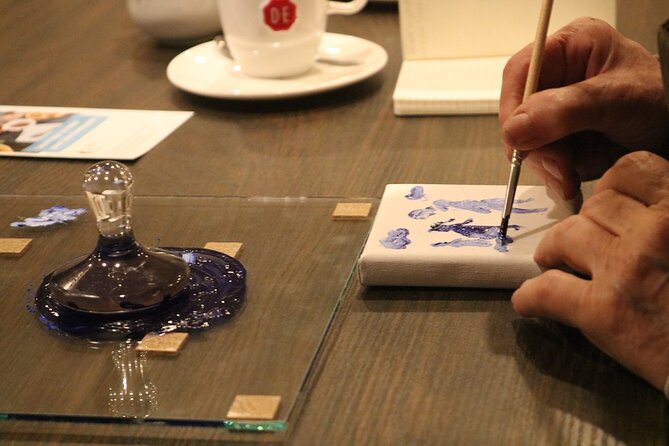
Then comes the rewarding part. You create your own mini masterpiece using the paint you made. This gives you something tangible, and it also helps you understand Rembrandt-style decisions. Even if your drawing skills are not the point, you get to feel what it means to paint with oil pigments that were mixed by you.
Finally, the class ends back at the meeting point, so you are not left to figure out transport or a confusing second location after your session.
The ingredients matter: 14 natural pigments and traditional oil paint
The biggest reason this workshop works is the materials focus. Many art classes skip the paint-making step because it is messy, slower, and harder to schedule. Here, that step is the point.
You start with 14 natural pigments. That is a practical number. It is enough variety for you to mix a range of tones without turning the workshop into a weeks-long lab. It also gives you a real education in how color comes from mixing, not magic.
Then you combine those pigments with oil in a traditional way. In the workshop framing, you learn about using linseed oil in the style of the time. That matters because oil changes the look of the pigment on the surface. It affects sheen, transparency, and how the paint sits on the canvas.
What I like about this kind of lesson is that it makes you pay attention like an artist. You start noticing things you usually ignore. For example, you learn how certain pigments behave differently when mixed, and you get a better sense of why a limited palette can still produce subtle variation.
Also, because you make the paint yourself, any mistakes become useful information. A mix that is too dark, too thin, or not the tone you expected is not a failure. It is data. You will see quickly how adjustment changes the final result.
Rembrandt techniques you can feel in your hands
Rembrandt van Rijn is known to just about everyone who has walked into a museum. But most people only meet him through finished paintings. This workshop brings you closer to the process behind the look.
You learn about Rembrandt’s approach while you are actively mixing and painting. That is important. Technique talk lands better when your hands are doing the same work as the story you are hearing.
The class connects Rembrandt’s choices with practical paint behavior. You get guidance on color mixing in the way he used, with the natural pigment approach framed as historically consistent. You also get a chance to create a small piece that uses what you learned, so you are not only hearing about effects like depth and tonal variation, you are attempting them.
One detail that stands out from the experience description is the way the workshop is Rembrandt-inspired rather than a vague theme. You are not just painting something “Dutch-looking.” You are making the colors that support that style, then applying them to your mini canvas.
And the personal support helps. Instructor Eric is highlighted for being strong on the how and why, and the workshop is set up as a private class. That means you are more likely to get correction at the exact moment you need it, instead of waiting for a group instructor to circle back.
Same city, a different kind of day out:
- Amsterdam Classic Saloon Boat Cruise with Drinks and Cheese
★ 5.0 · 31,825 reviews - Amsterdam Luxury Canal Cruise + Unlimited Drinks & Bites option
★ 5.0 · 30,518 reviews - Amsterdam: Heineken Experience Ticket
★ 4.6 · 30,055 reviews - Amsterdam: Rijksmuseum Entry Ticket
★ 4.7 · 25,535 reviews
Where to meet, timing, and how to plan your day
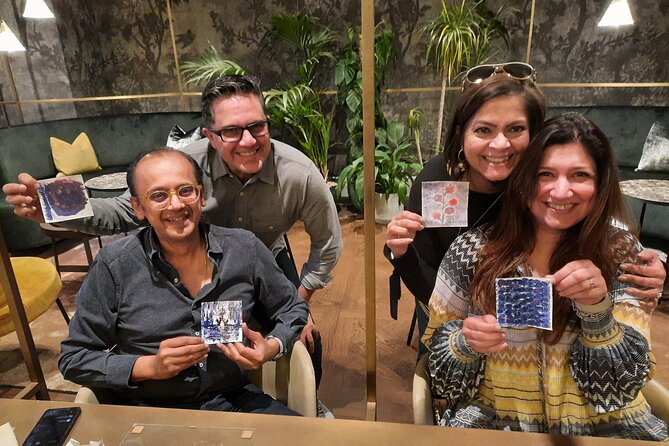
You meet at Nieuwe Doelenstraat 24, 1012 CZ Amsterdam, and the activity ends back at the same point. That simplifies planning. You can treat it like a fixed appointment, then go explore afterward with fewer moving parts.
The session window runs daily, Monday through Sunday, 3:00 PM to 7:00 PM. The opening hours are listed across a long span, 10/14/2023 to 11/27/2026, which suggests this is a steady schedule rather than a one-off pop-up.
Practical timing tip: if you are also doing a museum in Amsterdam, try not to stack back-to-back heavy walking before your paint session. Oil paint workshops can be a bit hands-on and you will appreciate entering with decent energy.
Getting there should be manageable. The location is near public transportation, and Amsterdam is built for short transit hops. Still, give yourself a few extra minutes, since you will be checking in and getting oriented.
If you want a clean day flow, pair the workshop with:
- A relaxed morning canal walk or one museum stop
- Lunch somewhere nearby, then arrive early enough to settle in
- A lighter evening plan after the class, since you may need a bit of time for getting your bearings
Price and value: why $114.88 can make sense
At $114.88 per person, you are paying for a short, specialized experience with materials and instructor guidance. In Amsterdam, that price can sound high if you compare it to a generic art class.
But the value is different here. You are not only learning brush technique. You are making your own oil paint from natural pigments, and you are producing an actual painting using the paint you mixed. That is a materials-heavy activity. It also has real skill coaching built in, especially since the session is described as a private class for your group.
The “45 days in advance” booking detail matters too. It suggests this workshop gets scheduled out fairly often. If you want your preferred day in the afternoon window, plan ahead rather than assuming you will pick a last-minute slot.
One more value point: you leave with a physical artwork and a better understanding of what you see later in Rembrandt-era work. You are basically buying a “materials literacy” boost for your trip.
If you are someone who likes hands-on learning and you enjoy experimenting, the cost is easier to justify. If you only want a quick photo opportunity, you might get less out of it.
Who this private paint workshop fits best
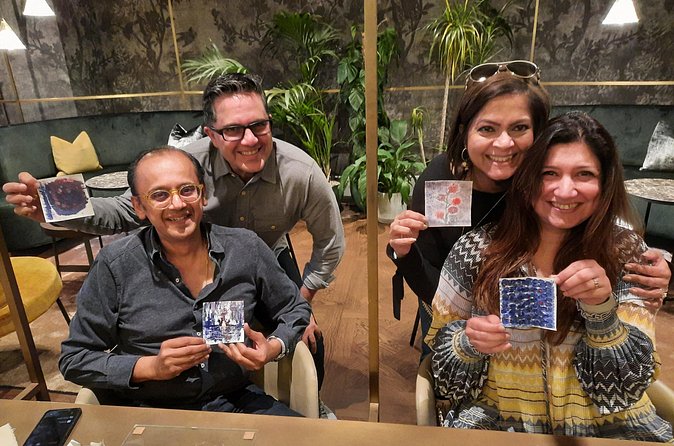
This experience is designed for most travelers to participate, with instruction in English and a private format. There is also a note that service animals are allowed, which is helpful if that applies to you.
This workshop is especially a good match for you if:
- You like art education that has a real output, not just observation
- You are curious about how artists actually build color
- You prefer small group attention, not a big classroom
- You want a creative activity that still ties into Amsterdam culture
It is less ideal if your main goal is sightseeing. This is a short workshop, and it is about making paint and painting, not about covering multiple neighborhoods or stopping at landmarks.
Also consider your expectations about complexity. You are mixing pigments and painting a mini piece. The learning is part of the fun. If you are hoping for a step-by-step tutorial that guarantees a masterpiece, keep it realistic. The goal is process and understanding, not perfection.
The practical reality: what to bring and what to expect
The details you have are mostly about what happens, not what you need to pack. Still, you can plan smart.
Wear clothes you do not mind getting a little paint on, since you are working with pigments and oil paint. Even with careful instruction, this kind of workshop is inherently messy.
You can also expect to be focused and hands-on for the full session. Because it runs in the afternoon window from 3:00 PM to 7:00 PM, it can feel like the workshop is the anchor event of your day, so build in time to get settled when you arrive.
Finally, remember that this is a mobile ticket experience. That usually means you should have your phone ready for check-in and keep your confirmation handy.
Should you book it? My honest recommendation
Book this workshop if you want a creative activity that connects directly to what you see in Amsterdam. Making hand made oil paint from natural pigments is a rare skill experience, and the private setup with instructor Eric is exactly what helps you learn without feeling lost.
I would skip it if you want a broad sightseeing product. This is time-bound, about two hours, and it is centered on paint and technique. It will not replace a museum day or a canal cruise.
One more decision rule: if you enjoy learning by doing, this will feel worth it even at $114.88. If you are mostly looking for entertainment, you might feel like you paid for something you could watch from the sidelines.
If you can fit the timing, the workshop gives you a meaningful souvenir, a new way to look at art, and the kind of hands-on education that sticks after you go home.
FAQ
How long is the Rembrandt oil paint workshop?
It is approximately 2 hours.
Where is the meeting point?
You meet at Nieuwe Doelenstraat 24, 1012 CZ Amsterdam, Netherlands, and the activity ends back at the meeting point.
Is this class private?
Yes. It is listed as a private tour/activity, meaning only your group participates.
What language is the workshop offered in?
It is offered in English.
Are service animals allowed?
Yes. Service animals are allowed.
What time does the workshop run?
The opening hours are listed as Monday through Sunday, 3:00 PM to 7:00 PM.
What is the cancellation policy?
You can cancel for a full refund up to 24 hours in advance of the experience start time. If you cancel less than 24 hours before, the amount you paid is not refunded.
Recently reviewed around Amsterdam
- Amsterdam Highlights Canal Cruise with a Drink★ 5.0 · 66 reviews
- Private walking tour Amsterdam. English or Spanish.★ 5.0 · 21 reviews
- Guided Private Bar Tour in Amsterdam City Center★ 5.0 · 4 reviews
- Amsterdam Private Boat Trip With Skipper, Burger and Beers★ 5.0 · 5 reviews
- Arrival Private Transfer Amsterdam Airport to Amsterdam City Center by Minibus★ 4.5 · 7 reviews
- Private Arrival Transfer: Schiphol Airport Amsterdam★ 3.5 · 30 reviews
- 2-Hour Private Anne Frank Walking Tour with Drink★ 5.0 · 3 reviews
- Private Amsterdam WW2 walking tour★ 4.5 · 15 reviews
2-Hour Experiences, compared.
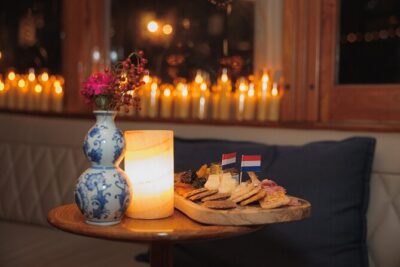
2-Hour Canal Cruise incl. Drinks & Dutch Snacks
Read our review →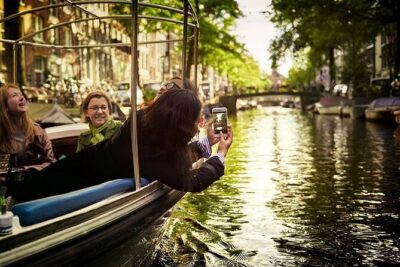
Amsterdam 2-hour Private Canal Cruise with Live Guide and Drinks
Read our review →
Amsterdam 2-Hour Evening Cruise With Live Guide and Bar
Read our review →
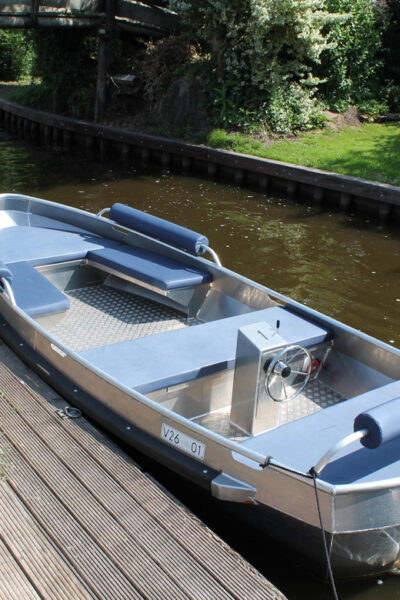
Boatrental 2 Hours 8 Person with Steeringwheel and cushions
Read our review →
Historic Amsterdam 2-Hour Private Tour with Local Guide
Read our review →
Scheveningen Beach: 2-Hour Surf Experience for Adults
Read our review →Browse the lists this tour appears in