
Reviewed · AMSTERDAM WALKING TOURS
Private Amsterdam WW2 walking tour
This private Amsterdam WWII walk is interesting because it strings together Jewish life, deportations, and resistance using real places you can stand next to. I love that it is private, so your party can set the pace and ask questions, and I love how the focus stays on the human story. One caution: the Anne Frank House stop is not an included admission ticket, so if you want to go inside, plan that separately.
A big part of the experience is the guide. Some guides, like Masha and Stan, have impressed people with friendly, steady storytelling even when the weather turns ugly. There is also one negative report about a guide named Aaron, so it’s smart to double-check who you are assigned and request a different guide if you prefer a warmer tone.
You meet at Amstel 51C (1018 EJ) and the walk returns to the same area. It runs in English and uses a mobile ticket, and because this tour often gets booked around 54 days ahead, it is worth reserving early for your dates.
Key highlights you should know before you go
- Private by default, only your group on the walk, about 2 hours
- WWII-focused Jewish history across multiple sites, from synagogue life to deportations
- Service animals welcome, and the meeting point is near public transit
- Guide-led connections that explain why different neighborhoods and buildings matter
- Anne Frank House is not included, but your guide will explain the story there
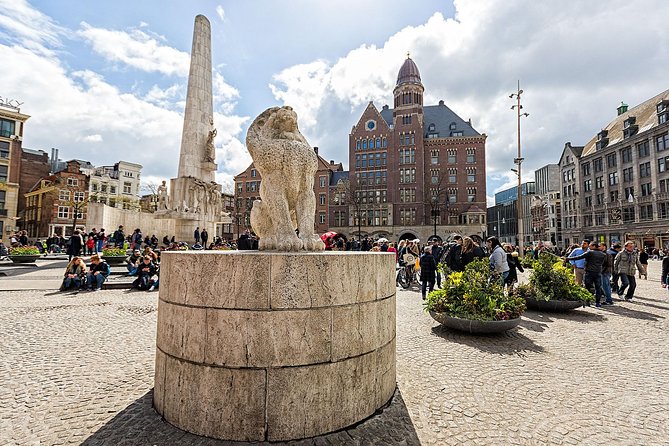
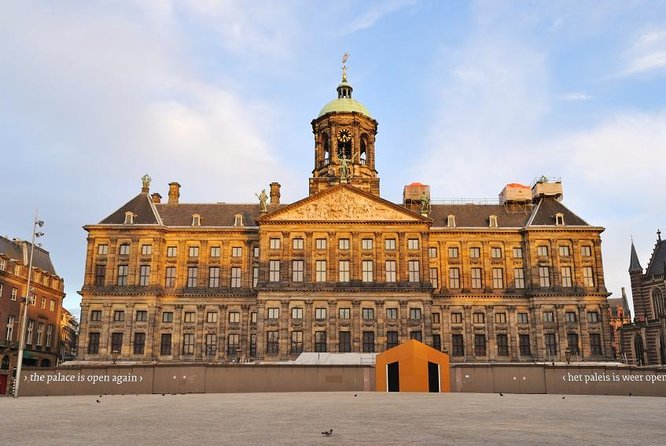
- Dam Square and the Royal Palace area are included at the end of the walk
Why this Amsterdam WWII walk feels different than a typical “sights” tour
This tour is not trying to show off ten attractions and call it history. It uses a tighter question: what happened to Jewish Amsterdam under Nazi occupation, and how did people respond before, during, and after? The value is that the stops connect, so the story clicks instead of staying as a list.
Because it is private, you get something small but important: flexibility. If something hits you emotionally, your guide can slow down and explain. If you are curious about logistics like where people were held or how deportations were carried out, you can ask without feeling rushed or shuffled.
The pacing is also realistic. You are covering a lot of ground in about two hours, with short time blocks at each stop. That means you should treat this as context-building, not a full museum day.
More walking tours in Amsterdam:
- Anne Frank’s Story – Guided Walking Tour through Amsterdam
★ 5.0 · 11,619 reviews - Amsterdam: Life of Anne Frank and World War II Walking Tour
★ 4.8 · 10,467 reviews - Absolutely Amsterdam – the Essential Introductory Walking Tour
★ 5.0 · 3,629 reviews
Meeting at Amstel 51C, then walking with a plan instead of guessing
Your tour starts at Amstel 51C (1018 EJ Amsterdam). You will end back near the same meeting point, which keeps the whole day simple if you are planning dinner or a canal cruise afterward.
This matters more than it sounds. Amsterdam walking days can turn into a maze if you do not have a route and a set of explanations. Here, the guide handles the flow, so you can focus on listening and looking, not navigating.
You also get a mobile ticket and English language service. That is helpful if you want to avoid “translation math” while you are learning heavy subject matter.
Portuguese Synagogue: where Amsterdam’s Jewish community story has visible roots
The walk begins at the Portuguese Synagogue area, a key entry point for understanding Jewish life in Amsterdam. Your guide will explain the history of the Jewish community here, including the Sephardic community that grew strong during the Dutch Golden Age.
This stop is compelling for two reasons. First, the synagogue reflects the community’s place in Amsterdam’s prosperity and cultural life. Second, it remains an active place of worship and is also a major visitor attraction, so you see how past and present share the same walls.
Practical tip: because it is an active site and often busy, dress respectfully and keep your attention on your guide’s framing. This is not the time to rush for photos, unless your guide gives a clear moment to do so.
Auschwitz Monument: stepping up to a place that forces the facts to be real
After you get the background, you move toward the Auschwitz Monument. This is where the tone changes. Your guide will explain the monument and the Jewish deportation story linked to it.
This stop is emotionally heavy, so the best guides do two things well. They give you clear information without being cold, and they connect it to what you saw earlier about community life. Done right, the monument becomes a pivot point, not just a memorial you pass.
Since this is only a short visit window, let your guide set the pace. If you feel like reading on your own afterward, treat that as a bonus, not a requirement.
A few more Amsterdam tours worth comparing
- Rijksmuseum Amsterdam Small-Group Tour with Private Upgrade
★ 4.5 · 1,547 reviews - Van Gogh Museum Tour Reserved Entry Semi Private
★ 5.0 · 1,437 reviews - Private Amsterdam Red Light District and Coffee Shop Tour
★ 5.0 · 763 reviews - Anne Frank and Jewish Quarter Amsterdam Private Walking Tour
★ 5.0 · 684 reviews
Verzetsmuseum Amsterdam: Jewish resistance as more than a footnote
Next up is the Verzetsmuseum Amsterdam stop, centered on Jewish resistance. Instead of presenting Jewish life solely through victimhood, this part makes room for courage, strategy, and community action.
What I like about this approach is that it prevents the story from feeling one-dimensional. Resistance was not just an abstract concept. Your guide will point out what resistance looked like in the real world and how Amsterdam’s Jewish community responded under pressure.
Because time is limited, you should expect explanation over long museum wandering. If you want more artifacts and longer reading, you will already know where to return.
Hollandsche Schouwburg: deportation history in a city setting
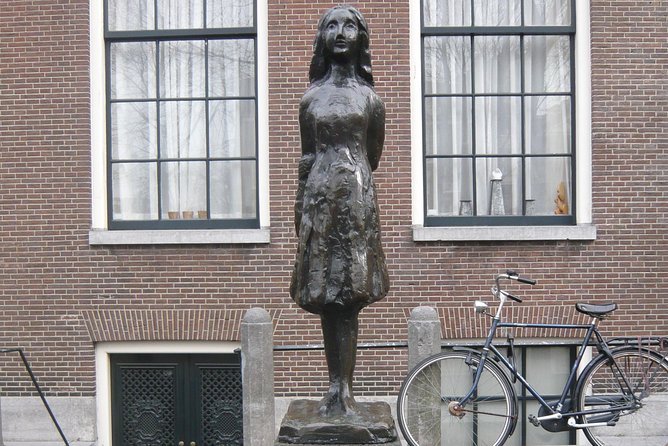
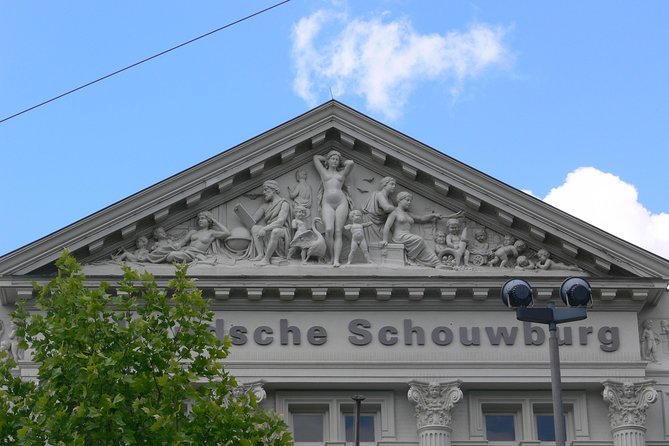
Then you reach Hollandsche Schouwburg, linked to deportations. Your guide will tell you about the role of these deportation camps and how the process unfolded for people who were taken from Amsterdam.
This part works because it places history inside normal city life. You are not only looking at a museum room behind glass, you are in a neighborhood setting where the past is layered onto everyday streets.
A practical note: this subject is intense. If you think you might be overwhelmed, tell your guide early. Private tours are good for that, because you can ask for a slightly slower pace without apologizing.
Plantage and the Spinoza Monument: daily life context that makes the WWII story sharper
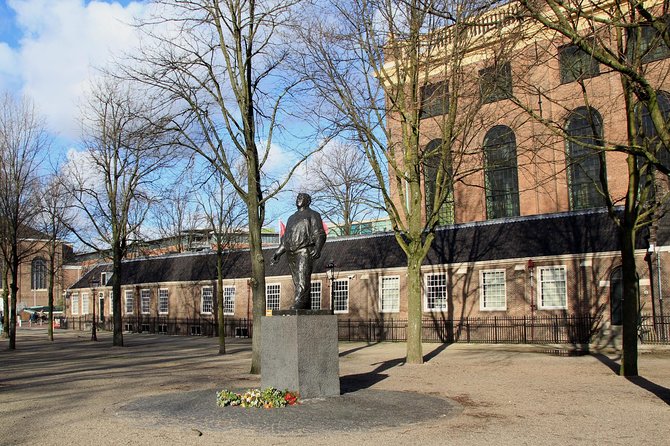
After the deportation stops, the tour shifts toward place and everyday life. You will walk through the De Plantage area and hear the history of the neighborhood. Then you will encounter the Spinoza Monument, with explanation tied to the man and the broader intellectual tradition connected to Jewish life.
This is where many WWII tours feel thin, because they rush from tragedy to tragedy. Here, the tour gives you breathing room and context, so you remember these were full communities with culture, ideas, and routines. That context makes the darker chapters hit harder, in a way that can feel more honest.
If it is rainy, this section can still be enjoyable because you are out in the open, letting the guide’s storytelling do the heavy lifting. One guide, Stan, has been praised for not missing a beat in pouring rain, which is a good sign you will get steady delivery even when weather is rough.
Dam Square and the Royal Palace area: ending with Amsterdam in view
The walk continues to Dam Square and then to the Royal Palace area. This part is lighter, but not shallow. Your guide will help you look at what these landmarks represented in public life, and how the city’s center shaped the setting around the war years.
Dam Square is the kind of place where you can easily get distracted, so rely on your guide’s direction. Quick, well-timed explanations can help you notice details you would otherwise ignore in a crowd.
At Royal Palace Amsterdam, you get a short look and framing. The time is brief by design, since the core of this tour is WWII and Jewish history. If the palace area is your top priority, you can always do a longer stop on a different day.
Anne Frank House: expect explanation, not included entry
The tour includes an Anne Frank House storytelling stop. Your guide will tell you more about the Anne Frank story, tied into the wider context you just heard across multiple sites.
Here is the key planning point: admission is not included for Anne Frank House. So think of this as guided context outside or at the place itself, not a guaranteed inside visit. If you want to walk through the rooms, you will need to arrange a separate ticket and plan your timing.
Because this can be a point of confusion, you should treat it as a checklist item when you book. Ask your guide what to expect during this stop, and confirm whether you are entering or simply meeting the story at the location.
Private tour value: what you really pay for at about $126.31 per person
At $126.31 per person for roughly two hours, this is not a “cheap seats” experience. But it can be strong value if you are traveling as a small group or you care about the guide’s interpretation.
The reason price can feel fair here is that many stop areas list admission as free, and the cost is mostly paying for a local guide who can connect the dots. You are paying to understand how the sites relate to each other, not to buy a stack of tickets.
Also, private tours reduce friction. You do not have to wait around for a big group to catch up or handle different interests at the same time. If you want a calmer, question-friendly format, this price can make sense.
One more practical angle: since this tour tends to be booked about 54 days in advance on average, demand is clearly there. If your dates are flexible, you might find more availability. If they are not, lock it in sooner.
How good guides make the difference on a heavy-history walk
This is the part people underestimate. On a WWII Jewish history route, delivery matters as much as destinations.
Some guides are praised for being detailed and thoughtful, with a respectful tone when discussing Anne Frank and other sensitive parts of the story. Others are praised for interactivity, keeping the walk moving while still making time for questions.
There is also at least one negative account linked to a guide named Aaron, specifically around demeanor and being dismissive. I cannot predict who you will get. But I can tell you what to do: if guide personality matters to you, be proactive and request a different guide if you are assigned someone you are not comfortable with.
Who this tour is best for, and who might want a different format
This tour is a great fit if you want a guided WWII story focused on Jewish Amsterdam, with stops that are meaningful and varied. If you like history that explains how daily life led into occupation and deportation, you will likely appreciate the Plantage and Spinoza context sections.
It is also ideal if you want privacy. With only your party, you can ask questions about what you are seeing and avoid the common “walk fast, listen later” problem.
You might consider a different option if you want deep time at museums. This is about two hours and each stop is short. Think of it as a well-led sampler that helps you decide what to return to.
What to wear and how to make the two hours work for you
This is a walking tour, so wear comfortable shoes. Amsterdam sidewalks can be slick when it is wet, and a lot of the story involves standing and looking, not just moving through.
Bring a light layer even in mild weather. Rain happens, and since the stops are spread out through the city center, you cannot always count on a quick indoor break.
If you are traveling with kids or teens, the private format can help. Your guide can usually adjust explanations to keep it appropriate and understandable, but you should still expect heavy themes.
So, should you book this private Amsterdam WWII walking tour?
If you want a guided way to connect Jewish life, deportations, resistance, and key Amsterdam landmarks in about two hours, I think this tour is worth serious consideration. The best part is that it is guided, so you get the “why this place, why here, why that building” clarity that turns sites into a story.
Book it if you:
- want a private walk tailored to your questions
- are interested in Jewish history across multiple WWII-related locations
- like an efficient format that helps you plan what to do next
Consider booking something else, or adding extra time, if:
- you absolutely need entry into Anne Frank House during the tour, since admission is not included
- you want long museum time instead of short, guided context stops
- you have strong preferences about guide tone, in which case ask about who you are assigned
If you do book it, send a quick note to your provider before you go and ask what to expect at the Anne Frank House stop. Then show up ready to walk, listen, and connect the pieces.
Recently reviewed around Amsterdam
- Amsterdam Highlights Canal Cruise with a Drink★ 5.0 · 66 reviews
- Private walking tour Amsterdam. English or Spanish.★ 5.0 · 21 reviews
- Guided Private Bar Tour in Amsterdam City Center★ 5.0 · 4 reviews
- Amsterdam Private Boat Trip With Skipper, Burger and Beers★ 5.0 · 5 reviews
- Arrival Private Transfer Amsterdam Airport to Amsterdam City Center by Minibus★ 4.5 · 7 reviews
- Private Arrival Transfer: Schiphol Airport Amsterdam★ 3.5 · 30 reviews
- The Ultimate Zaanse-Schans Private Day Trip★ 5.0 · 44 reviews
- 2-Hour Private Anne Frank Walking Tour with Drink★ 5.0 · 3 reviews
Amsterdam Walking Tours, compared.
Anne Frank’s Story – Guided Walking Tour through Amsterdam
Read our review →
Life of Anne Frank and World War II Walking Tour
Read our review →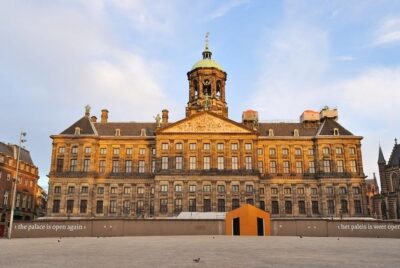
Absolutely Amsterdam – the Essential Introductory Walking Tour
Read our review →

Anne Frank Walking Tour – Guided in EN/DE/IT/ES
Read our review →

Anne Frank Walking Tour Amsterdam Including Jewish Cultural Quarter
Read our review →Browse the lists this tour appears in