
Reviewed · AMSTERDAM WALKING TOURS
Amsterdam: Queer City Walking Tour With Local Guide
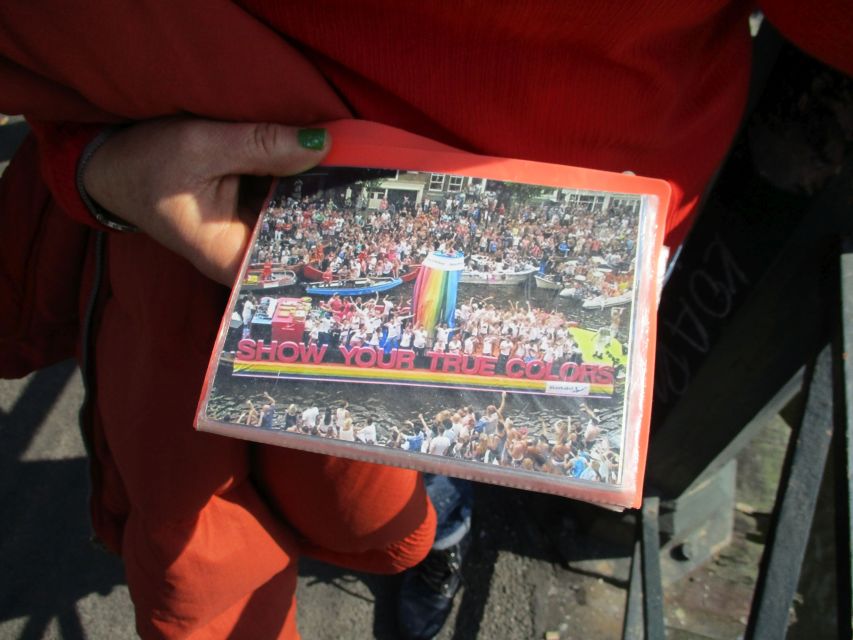
This is an Amsterdam walk that treats queer life as the city’s main storyline, not a footnote. You stroll through the oldest parts of town while hearing personal moments and protest history, all linked by one theme: the least expected places connect.
I love that the tour is built around real people’s stories, guided by Sanne, with space for you to connect with other queers and allies from different countries. I also like how it mixes major landmarks with everyday queer spaces, so you get both the big public events and the lived-in side of Amsterdam.
One thing to consider, bring comfortable shoes, because it is a 2-hour walk in rain or shine. If you want only a short list of monuments with no emotion or discussion, you might find this style more than you planned for.
Key things I would plan around
- Dam Square start, with controversial context at the National Monument before you even get going
- Homomonument, a focused guided stop that sets the tone for Amsterdam’s LGBTQI+ story
- Belle’s passport story about changing gender recognition, framed as personal courage
- Condomerie and the AIDS-era necessity story tied to the first condom shop concept
- A Red Light District visit on foot at a respectful walking-pace, not a spectacle sprint
- Finale at Café ‘t Mandje, an ending that feels like a bridge to today
Why this queer city walk matters more than you think
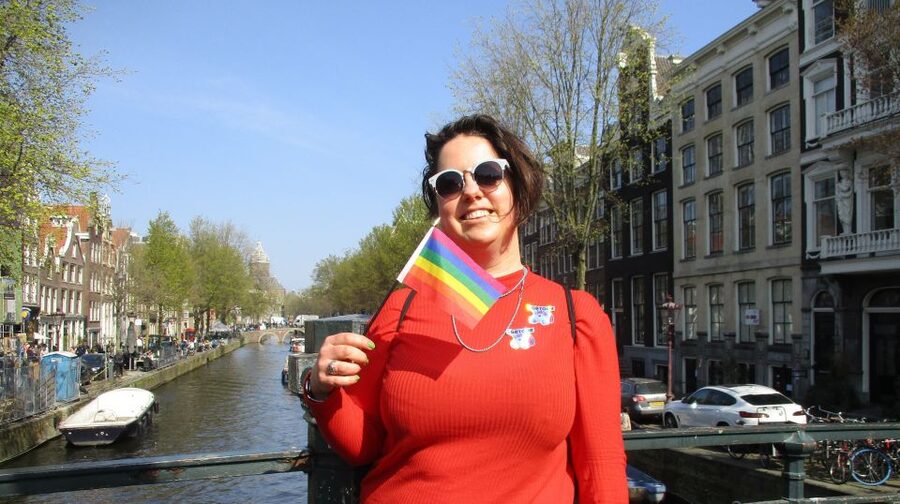
Amsterdam is famous for canals, bikes, and party energy. This tour slows you down and changes the lens, using LGBTQI+ life as the thread that explains how the city formed. You learn why pride is not only celebration, it is also protest, visibility, and community pressure over time.
What makes it work is the balance between the public and the personal. Yes, you stand at monuments and landmark sites. But you also hear how queerness shows up in love, friendship, identity, and daily choices, which is why the walk often feels less like a lecture and more like shared memory.
And the guide does not treat this as a closed museum topic. The tour is explicitly welcoming, with the idea that the rainbow is for everyone. That message matters, because it helps you listen instead of just collect facts.
More walking tours in Amsterdam:
- Anne Frank’s Story – Guided Walking Tour through Amsterdam
★ 5.0 · 11,619 reviews - Amsterdam: Life of Anne Frank and World War II Walking Tour
★ 4.8 · 10,467 reviews - Absolutely Amsterdam – the Essential Introductory Walking Tour
★ 5.0 · 3,629 reviews
Meeting at Nationaal Monument, Dam Square, and getting oriented fast
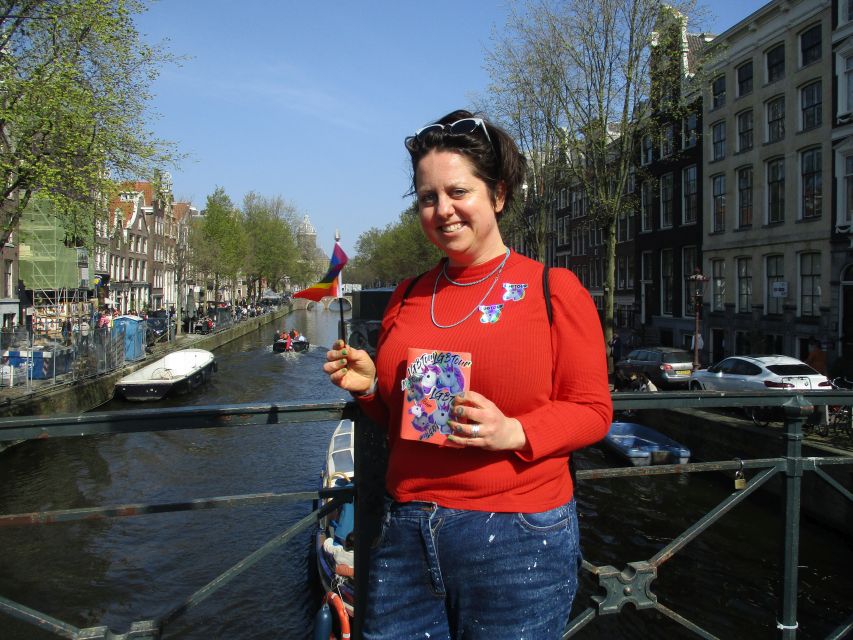
You start at the National Monument at Dam Square, with Sanne easy to spot by a tiny rainbow flag. This is a smart start location because Dam Square is where most first-time Amsterdam visitors naturally end up. You get your bearings immediately, then your guide redirects your attention from the usual tourist view to a queer perspective on what has been happening here for generations.
Sanne sets expectations early. You learn that the walk covers Amsterdam’s pride and protests, and that you will be seeing the “oldest part of town” mindset shift by shifting what you pay attention to. There is also that promise of controversy, specifically stories about how the National Monument came to be, so you get more than a simple “this is important” label.
A practical note: this start area can be busy. Give yourself a minute to find Sanne and settle your group before the walking begins. Then you are off.
Homomonument: where the emotion becomes a timeline
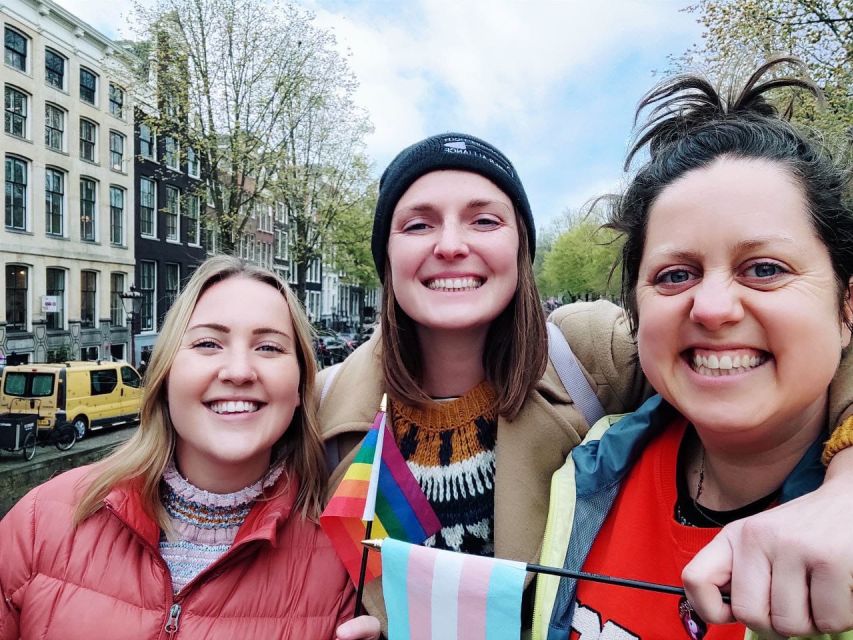
The Homomonument is a key early stop, and you get about 20 minutes there with guided attention. This is not a quick photo stop. It is a chance to understand why memorials exist, and why queer history needs places that refuse to fade.
The value here is pacing. By putting Homomonument near the start, the tour anchors you in the idea that visibility is not optional. Memorials like this also remind you that progress is made by people who push back, often at personal cost.
If you are the type who likes to connect symbolism to real life, you will appreciate the way Sanne ties what you see to what people lived. And because the tour is small-group style, you are more likely to hear explanations clearly and ask questions without feeling rushed.
Belle and the passport turning point story
Next you move to Belle for a shorter guided stop, around 10 minutes. This is where Sanne shares the story of a woman who was the first to change her gender on her passport, framed as a real act of courage that changed more than paperwork. You are meant to take away the idea that legal recognition shapes everyday freedom.
This is also a good moment to remember that identity is not only personal. It is political, social, and institutional. When a rule changes, it affects who can travel, who can be seen accurately, and who can exist without constant friction.
Because the stop is brief, treat it like a focused stop, not a full deep-study museum visit. If you like to ask follow-up questions, this is one of the better places on the route to do it, since the tour has already established a respectful, story-based tone by then.
A few more Amsterdam tours worth comparing
- Amsterdam: 75 Minute City Canal Cruise with Audio Guide
★ 4.4 · 17,501 reviews - Amsterdam: City Centre Canal Cruise
★ 4.2 · 12,827 reviews - Amsterdam: Smoke and Lounge City Boat Cruise
★ 4.7 · 8,572 reviews - Amsterdam: Guided Bike Tour City Centre in EN/DE/FR/ES
★ 4.7 · 4,187 reviews
Condomerie: AIDS-era necessity turned into public life
Another short guided stop, about 10 minutes, takes you to Condomerie. This is where the tour highlights the first condom shop in the world concept, born out of necessity during the AIDS crisis. The point is simple and powerful: activism and care can show up as practical storefront solutions, not just marches and speeches.
Why I think this stop lands: it breaks the stereotype that queer history only lives in nightlife or big events. Here you see harm reduction and public health as part of queer community survival. It also reframes the idea of what counts as queer spaces. Sometimes it is not a club, sometimes it is a service that people needed right now.
If you feel like health topics can be heavy, that is normal. The tour’s approach stays human and grounded, tied to why people created something when they had no good options.
Into the Red Light District, walking pace with respect
You then head into the Amsterdam Red Light District for a visit around 15 minutes. This is one of the most talked-about areas in the city, so it is smart that the tour includes it with context, not just to point and move on.
The tour frames this part as the historic heart of the city, and it connects the district to queer life rather than treating it as an isolated scandal zone. You walk through the area with a guided perspective that helps you see how marginal spaces often overlap with community history.
A possible drawback here is straightforward: if the Red Light District is a topic you do not want to engage with, you might feel uncomfortable even with a respectful tone. But if you have any curiosity about how Amsterdam’s queer story intersects with economic life and visibility, this stop gives you a fuller picture.
Keep your expectations practical. You are not touring for shock value. You are touring for context.
Zeedijk Street and the Pride Clothing pass by moments
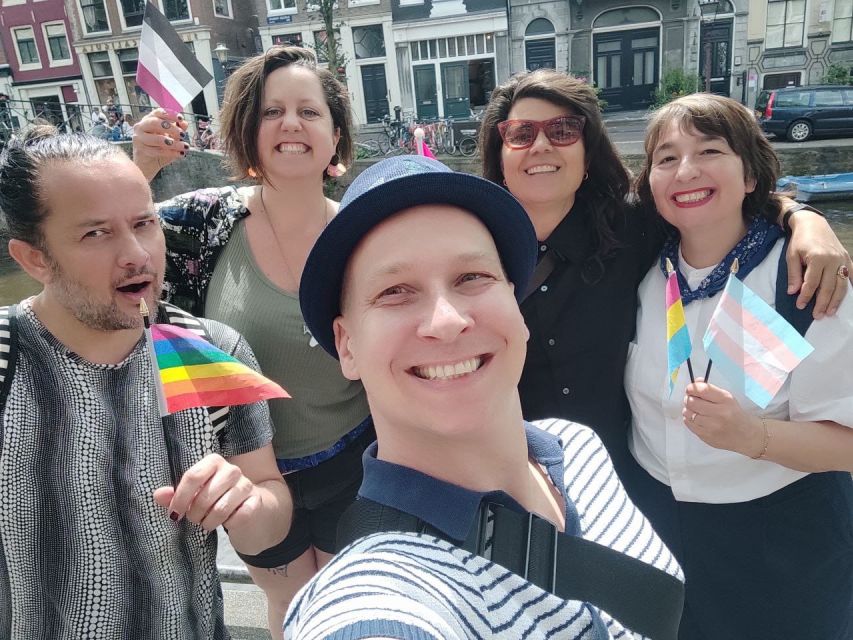
After the Red Light District, you walk along Zeedijk Street for about 15 minutes. Zeedijk is the kind of street where you can feel how layered the city is. The tour uses this stretch to keep momentum while still giving you time to look around, not only listen.
Along this section you also pass Pride Clothing, and you briefly pass Eagle Amsterdam. These are not long stops, but they work as breathing points. They remind you that queer life is not only memorialized. It is also shopped, dressed, marketed, and performed in public.
I like this pacing because it keeps the tour from becoming only “story, then story.” You get quick visual anchors, then the narrative continues. It helps you remember what the route is actually made of: streets, shopfronts, and places where queer people have built community visibility.
Wear shoes that handle cobblestones, and keep your phone charged. Even though you are walking, you will want photos at the later architecture stop.
Kokopelli and Dancing Houses: art, identity, and photo time
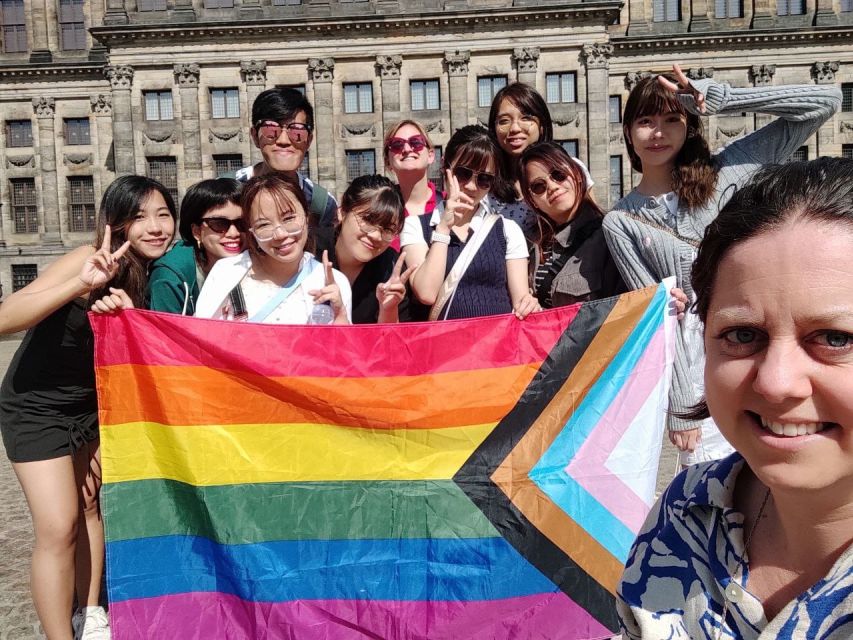
Kokopelli is next, with about 10 minutes of guided time. This stop adds another layer of queer place-making, keeping the tour grounded in the city’s lived social map rather than only landmark history.
Then comes a photo stop at Dancing Houses, around 10 minutes. This is one of those Amsterdam moments that clicks visually. The buildings look like motion, and it fits the tour theme of connection and transformation.
The practical benefit of having a photo stop here is that it gives you a mental reset. You have been processing personal history and public controversy. Now you get a few minutes to see a unique architectural quirk, take photos, and regroup before the final stop.
If you are traveling with someone who likes photos but also wants meaning, this is the part that satisfies both. It is short, but it feels like a reward.
Ending at Café ‘t Mandje: the quiet power of a true hangout
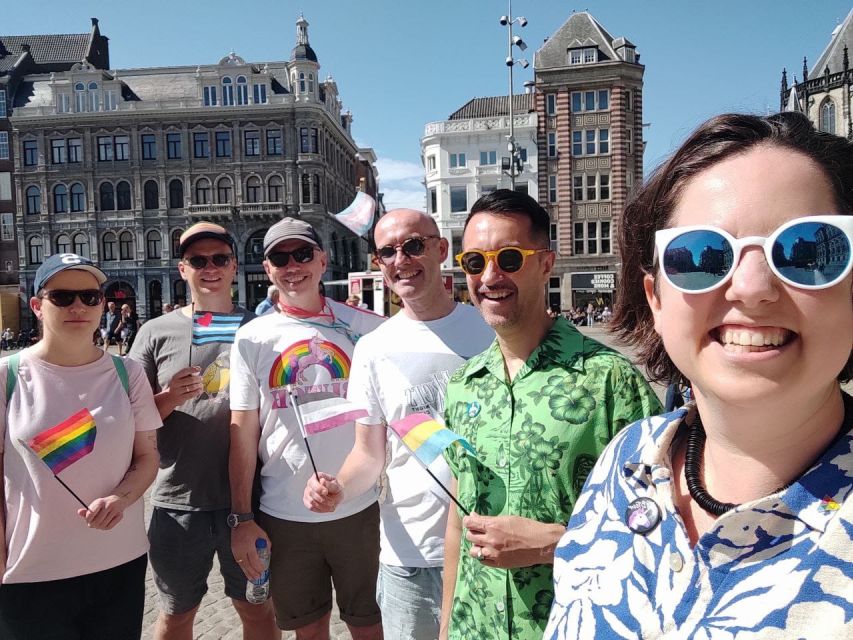
Your tour finishes in front of Café ‘t Mandje, described as the oldest queer bar, with time to land at the end of the walk. For me, this ending matters because it turns the story into something you can step into, even if you just want a drink and a moment of calm.
Café ‘t Mandje is the kind of place that feels like continuity. Instead of ending at a monument and leaving with only nostalgia, you end somewhere where queer community life has historically had a regular room to gather in.
This is also a good place to reflect on what you just heard. Sanne’s format makes the earlier stops feel less like trivia and more like a roadmap. You can see how protest and pride events connect to everyday spaces people return to.
If you have time after the tour, this is a great place to stay rather than immediately rushing off to your next museum.
Price and value: what $59 gets you in real terms
At $59 per person for about 2 hours, this tour is priced like a specialized walking experience. The value is not only in the route, it is in the human delivery. Sanne shares personal queer life experiences, including falling in love and being gay and single in Amsterdam, which is what turns the walk into a conversation with context.
You also get guided time at multiple stops, including Homomonument, Belle, Condomerie, and Kokopelli, plus time to visit the Red Light District and photo time at Dancing Houses. That mix matters because it reduces the common problem with walking tours, you do not just see things from the outside.
Small-group style also supports a more personal tone. And the tour includes an itinerary and a selection of big stops and stories, plus the guide’s personal favorites list link with additional LGBTQI+ tips and venues.
If you are comparing against generic city tours, the difference is clear. This one is not trying to cover everything. It focuses on queer perspective stories you would not find as easily on your own.
Who should book this tour, and who might not
This is a great fit if you want to understand Amsterdam beyond canals and museums, and you care about how activism, identity, and community spaces developed over time. It also fits well if you like guides who speak personally, not just read facts.
You should also enjoy this if you like meeting people. The tour explicitly supports connecting with queers and allies from around the world and sharing your own stories. That social element is part of what makes the stop-based storytelling feel alive.
It may be less ideal if you want a quiet, strictly observational walk. The tour encourages listening to personal narratives, and you might feel that emotional weight more than you expected at memorial and controversial context stops.
Also, it is rain or shine. If you hate walking and you hate being outside, you may want to pair this with another indoor activity after.
Practical tips to make the 2 hours feel easy
Plan for weather. Bring rain gear if rain is possible, and do not forget sunscreen and a sun hat on brighter days. You will be moving through multiple streets and outdoor stops, so comfort matters more than you think.
Bring comfortable clothes and shoes with good grip. Amsterdam sidewalks can be slick, and cobblestones can be unforgiving. If you arrive already tired, the tour pace might feel slower than you want.
You might also enjoy doing a bit of mental prep. Decide what you want to learn from the queer history lens, pride events, protests, identity recognition, or how community services appeared during crisis. Then you can listen with a purpose.
Finally, stay open. This is one of those experiences where you only get the full benefit if you allow yourself to feel moved by personal stories. Sanne’s style is built on care, and the best moments happen when you stop treating it like a checklist.
Should you book this queer city walking tour with Sanne?
Yes, if you want a guided Amsterdam experience that connects pride, protest, and everyday queer life in a way that feels human. The standout is Sanne’s mix of historical framing with personal storytelling, plus the way the route includes major memorial context, identity and legal recognition themes, public health history, and neighborhood queer spaces.
Skip it only if you want a purely factual, low-emotion tour, or if the Red Light District topic will make you too uncomfortable even with respectful guidance. Also skip if you cannot walk for 2 hours outdoors in rain or shine.
If your goal is to leave Amsterdam with a deeper understanding of how queer life shaped the city, this tour is a strong bet. It ends somewhere real, Café ‘t Mandje, which helps you carry the story into your actual evening plans.
FAQ
Where does the tour meet?
The meeting point is the National Monument at Dam Square.
How long is the Amsterdam Queer City Walking Tour?
The tour lasts about 2 hours.
How much does the tour cost?
The price is $59 per person.
What languages are offered?
The live tour guide speaks English and Dutch.
Is the tour wheelchair accessible?
Yes, the tour is wheelchair accessible.
Does the tour run in bad weather?
Yes, it takes place rain or shine.
What stops and areas are included?
You will visit or stop at the Homomonument, Belle, Condomerie, the Amsterdam Red Light District, Kokopelli, and Dancing Houses (photo stop), and you finish at Café ‘t Mandje. You also pass by locations like Eagle Amsterdam and Pride Clothing, and walk along Zeedijk Street.
What should I bring with me?
Bring comfortable shoes, a sun hat, sunscreen, rain gear, and comfortable clothes.
What is the cancellation policy?
Free cancellation is available up to 24 hours in advance for a full refund.
Can I reserve and pay later?
Yes, you can reserve now and pay later to keep your plans flexible.
Recently reviewed around Amsterdam
- Rotterdam Center: Cocktail Bar Walking Tour – Self Guided★ 2.9 · 9 reviews
- Amsterdam: Rijksmuseum Masterpieces Guided Small Group Tour★ 4.9 · 31 reviews
- Rent a bike in Amsterdam | 1, 2, 3+ hours★ 4.5 · 68 reviews
- Romantic Photoshoot Experience for Couples in Amsterdam★ 4.7 · 25 reviews
- Amsterdam: Queer Nightlife Tour★ 4.8 · 7 reviews
- Amsterdam: Self-guided Red Light District Pub Crawl Mystery★ 3.7 · 6 reviews
- Amsterdam: Red-Light District Pub Crawl and Booze Boat Tour★ 4.1 · 120 reviews
- Amsterdam: Private Red Light District and Food Tour★ 4.8 · 62 reviews
Amsterdam Walking Tours, compared.
Anne Frank’s Story – Guided Walking Tour through Amsterdam
Read our review →
Life of Anne Frank and World War II Walking Tour
Read our review →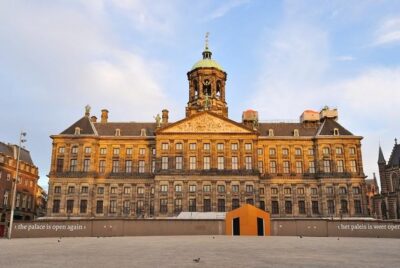
Absolutely Amsterdam – the Essential Introductory Walking Tour
Read our review →
Anne Frank Walking Tour – Guided in EN/DE/IT/ES
Read our review →
Anne Frank Walking Tour Amsterdam Including Jewish Cultural Quarter
Read our review →Browse the lists this tour appears in