

Reviewed · ANNE FRANK & JEWISH HISTORY TOURS
Amsterdam Jewish Quarter walking tour
This is the kind of tour that turns a photo stop into context. You walk through Amsterdam’s Jewish Quarter on cobblestones and canal-adjacent streets while the story moves from past community life to wartime rupture and later renewal. In a short 2 hours, you get Anne Frank’s presence placed in real streets, not just in a book.
I really like how the tour anchors big themes in specific places. Standing at Westerkerk, you hear the connection to the bells Anne Frank wrote about in her diary. I also like that the guide ties neighborhood monuments to how Amsterdam remembers and absorbs this history into everyday culture.
One possible drawback: it is a walking tour, so you will spend most of the time on your feet on uneven streets. If your schedule is tight or you hate slow, reflective walking, you may feel the time pass quickly.
Key highlights worth your attention
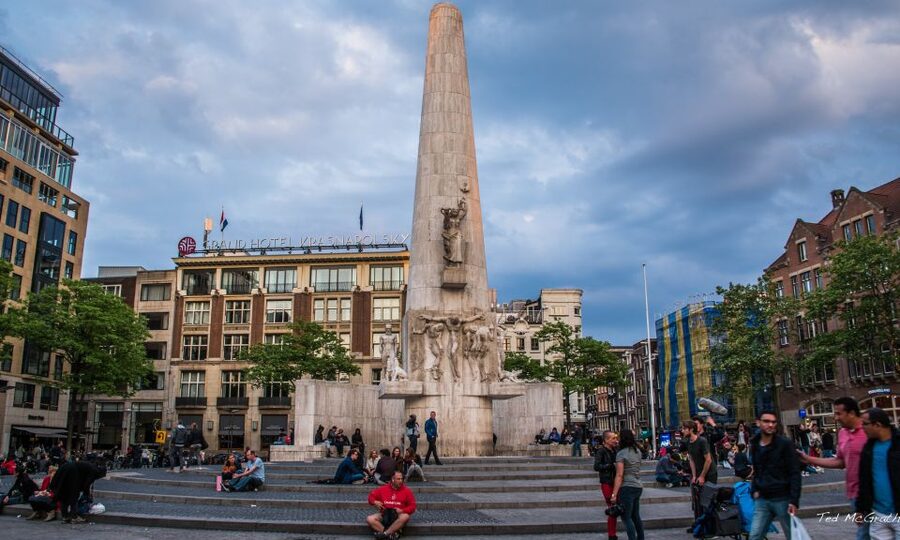
- Westerkerk bell connection to Anne Frank, explained where it belongs in the city
- Anne Frank story in context with a tour that connects diary details to Amsterdam streets
- Historic monuments and Amsterdam culture taught as more than sightseeing
- Golden Age to wartime to revival in a single coherent route
- Small, guide-led learning with an English live guide and private group option
Jewish Quarter Walking Tour: a focused way to learn fast
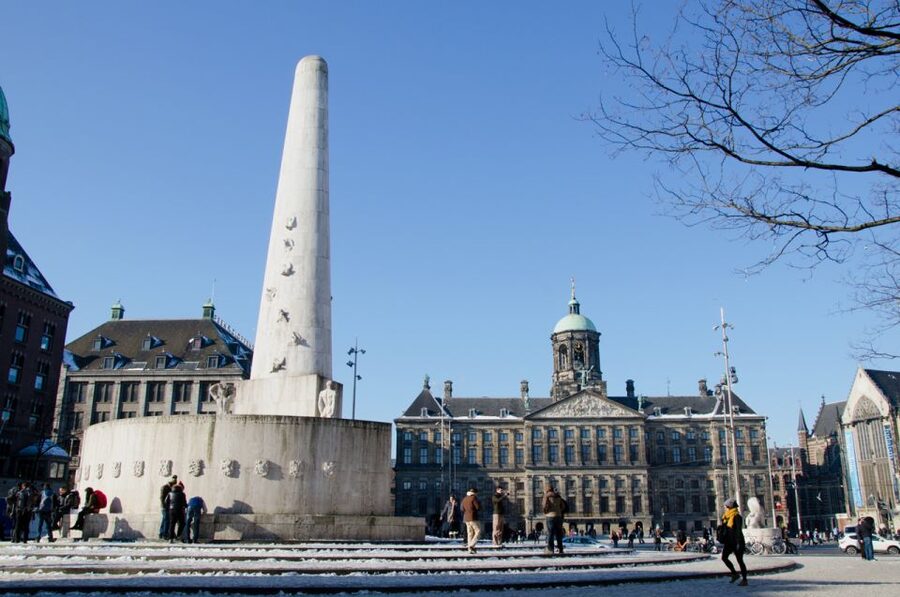
Amsterdam can overwhelm you with canals, churches, and carefully restored old buildings. This tour helps you slow down and aim your attention. You are not trying to memorize a museum wall of dates. You are walking through a neighborhood where community life, persecution, survival, and rebuilding left marks that still shape how the area feels.
The tour’s structure is built for people who want meaning without spending a full day. At $29 per person for 2 hours, it is priced like a solid city experience, not like a heavy-duty museum day. You also get a live guide, so you can ask questions in real time instead of reading plaques at your own pace.
The other big value for me is that it uses the neighborhood itself as the textbook. Cobbled streets and historic buildings are not just scenery here. They are part of how the story lands, because you can feel the scale and the rhythm of the place.
More Anne Frank and Jewish history tours:
- Anne Frank’s Story – Guided Walking Tour through Amsterdam
★ 5.0 · 11,619 reviews - Amsterdam: Life of Anne Frank and World War II Walking Tour
★ 4.8 · 10,467 reviews - Amsterdam: Anne Frank Guided Small Group Walking Tour
★ 4.8 · 2,722 reviews
Starting at H’ART Museum on Amstel: your meeting point matters
Your tour begins at the boat platform in front of the entrance of the H’ART Museum, Amstel 51C, 1018 DR, Amsterdam. That detail matters because Amsterdam meeting points can be confusing, especially if you arrive from the canal and do not yet know the street-level flow.
When I plan a walking tour that starts by water, I give myself a buffer. You want time to find the exact boat platform, orient to the entrance of the museum area, and settle into the group before the guide starts. Once you are set, the rest of the tour tends to feel smooth because the guide keeps you moving from sight to sight with a clear narrative.
Also note: the tour is in English with a live guide. If you prefer to learn by asking follow-up questions, this format usually works better than audio guides.
Cobblestone streets and canal neighborhoods: the “past and present” contrast
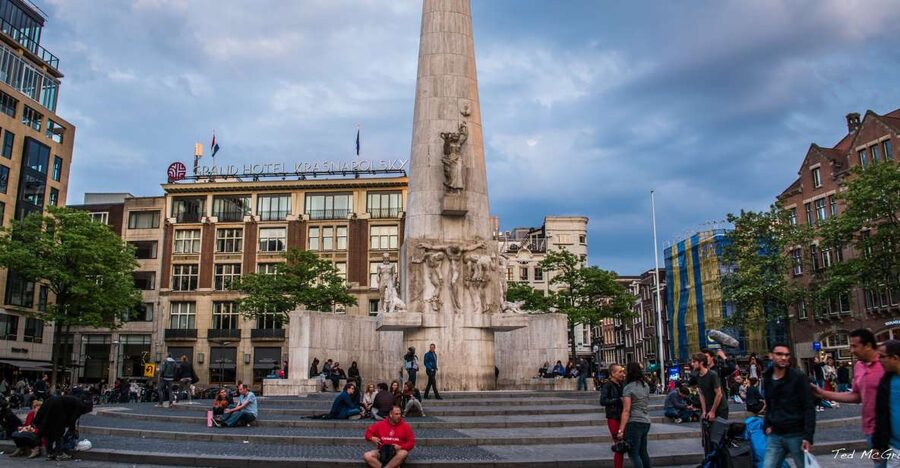
The Jewish Quarter walking tour takes you through Amsterdam’s historic streets, where cobbled lanes and picturesque canals set a strong mood. The point is not to romanticize the past. It is to show you how community life once fit into the city’s everyday layout.
As you walk, the guide connects the neighborhood’s identity to both flourishing periods and later hardship. You’ll hear how the community shaped Amsterdam’s culture, not only through major historical events but through daily presence and local institutions.
Practical reality check: Amsterdam’s older streets can be uneven underfoot. Plan for careful steps, especially if it is windy or damp. Your enjoyment will go up if you wear shoes you trust, because your brain remembers better when you are not also thinking about footing.
Anne Frank in real locations, starting with Westerkerk
A major anchor of the tour is a stop in front of Westerkerk, the church whose bells Anne Frank described in her diary. You stand where the story’s soundscape connects to place, which is a different experience than reading about it from a distance.
What makes this moment effective is the way it works on two levels. First, it links Anne Frank’s diary writing to a real Amsterdam landmark. Second, it gives you a concrete detail you can hold onto while the guide moves on to broader themes.
This is also where the tour’s value as “guided meaning” shows. A regular walk around the Jewish Quarter might give you impressive architecture. This tour uses one recognizable, specific landmark to explain why those details mattered to the people living there.
If you care about connecting literature to geography, this stop is likely to be a highlight. It gives a kind of narrative grip, like the tour is saying: this place matters, and you can understand why.
More walking tours in Amsterdam:
- Absolutely Amsterdam – the Essential Introductory Walking Tour
★ 5.0 · 3,629 reviews - Amsterdam: Anne Frank Walking Tour – Guided in EN/DE/IT/ES
★ 4.9 · 2,676 reviews - Amsterdam: Guided Cultural Walking Tour
★ 4.9 · 2,384 reviews - Amsterdam: Guided Ganja Walking Tour of Coffee Shops
★ 4.2 · 2,092 reviews
Historic monuments, Amsterdam culture, and why symbols stick
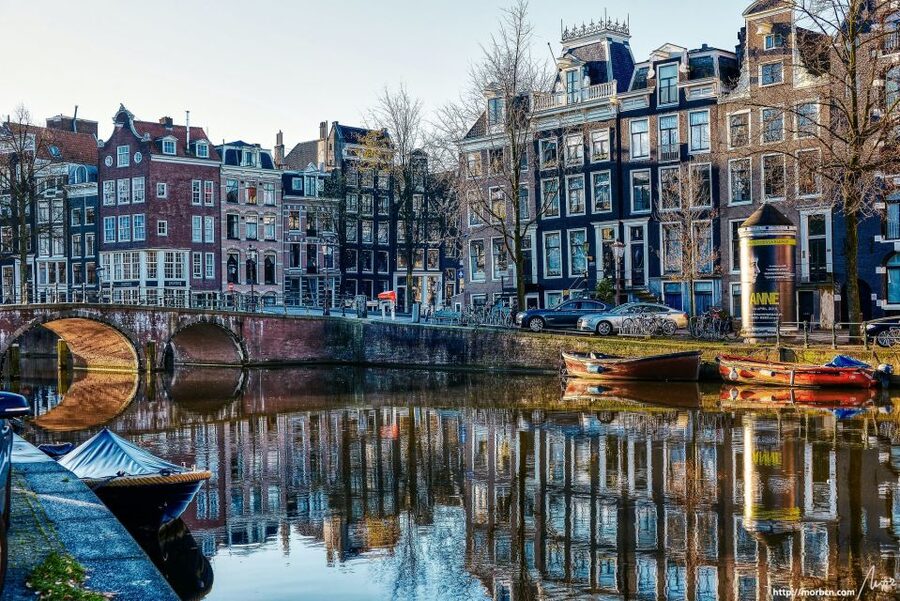
Another key part of the experience is learning about historic monuments and their place in Amsterdam’s culture. The guide does not treat monuments like random photo props. Instead, you get a sense of how Amsterdam frames this history in public space, and how remembrance can be built into the city’s everyday routes.
That matters because cultural memory changes over time. A city may keep a building but shift the story told about it. It may place markers where people can’t help but notice them. Through the tour, you get a sense of that evolution, from a thriving community to the shock of war and then the community’s revival afterward.
At a high level, this is one of the best reasons to choose a walking tour over a self-guided route. When you hear the intended meaning tied to each site, you stop guessing what you are looking at.
Golden Age to wartime to revival: the big arc in a small time window
The tour covers the broad arc of Jewish life in Amsterdam, from a Golden Age period to the severe challenges of wartime and then the community’s subsequent revival. Doing that in two hours is a balancing act, and the tour’s format is designed to keep the story coherent rather than scatter it across too many stops.
Here is why that arc is valuable for you as a visitor. Amsterdam is famous for creativity, trade, and urban life, but most casual sightseeing only scratches the surface of how communities contributed to that identity. This tour gives you a lens to understand that Amsterdam’s culture is not one single story. It is shaped by many lives, including ones that were violently targeted.
You also get a sense of resilience and creativity as more than uplifting slogans. The guide’s job is to translate that idea into street-level reality, by pointing out where community presence once was and how the city talks about it now.
What the guide does well, and how that affects your experience
The quality of a guided history walk often comes down to one thing: how well the guide connects facts to the places you are standing in front of. The guide for this tour is described as delivering strong context and anecdotes, and the on-the-spot explanation is a big part of why people choose this format.
In the feedback I reviewed, the guide repeatedly gets praise for being interesting and well-prepared. That is a good sign for you because it suggests the tour does not feel like a rushed script. It sounds more like a guided conversation where the guide knows how to keep the story moving.
Now for the caution: there is one serious no-show report tied to a past booking. That does not mean it is common. It does mean you should do the simple, responsible thing: confirm the exact meeting time in advance and keep the provider contact details handy on the day. If your schedule is important, a quick check prevents unnecessary stress.
Price and time value: is $29 per person a smart spend?
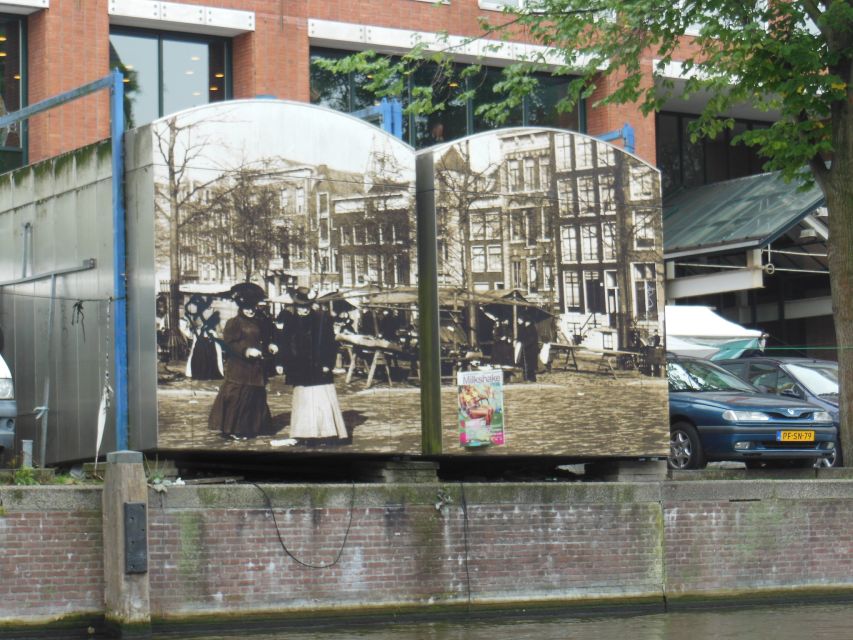
At $29 per person and 2 hours, this is a mid-level priced walking tour. For value, you want to match the price to what you get: a live English guide and a focused route through meaningful places.
Here’s how I judge the value. If you tried to self-guide the Jewish Quarter on your own, you could see the streets and buildings, but you would likely miss the connections, like why Westerkerk’s bells matter in Anne Frank’s diary or how monuments fit into Amsterdam’s cultural memory. The guide is what turns the walk from sightseeing into learning.
So if you want:
- a guided, story-driven walk,
- a clear Anne Frank connection in place,
- and an overview of Jewish life in Amsterdam across major historical periods,
…then $29 for a two-hour session often feels fair.
If you want a deep, long museum experience with extensive timelines, you might find two hours short. But that is not a flaw. It is simply a different style of learning.
Who should book this tour, and who might prefer something else
This tour is a great match for you if:
- you like guided context more than reading alone,
- you want Anne Frank and the Jewish Quarter story placed in the real city,
- and you prefer a shorter outing that fits into a packed Amsterdam day.
It is also a good choice for people who want the big picture without committing to a half-day or full-day program. The tour’s focus on key sites and themes makes it well-suited for first-time visitors who already know they want history but do not want to get lost.
If you strongly prefer quiet, self-paced wandering and do not like group pacing, you might prefer a book-and-plaque approach instead. Still, you could also treat this as a one-time guided intro, then go back later on your own with better background.
Tips to make the most of a 2-hour walk in this area
A few practical points will keep this enjoyable:
- Wear comfortable shoes for cobblestones and uneven sidewalks.
- Bring a light layer. Church bells, canal breeze, and changeable weather can make the same street feel cooler over time.
- Plan your day so you are not rushing afterward. A history walk like this often makes you want a few extra minutes to process what you learned.
Also, because the meeting point is by the H’ART Museum boat platform, arrive with enough time to find it. Getting flustered at the start reduces the quality of the first half hour, and that is when the narrative usually sets the tone.
Should you book the Amsterdam Jewish Quarter walking tour?
Book it if you want a guided, story-focused walk in the Jewish Quarter with a clear Anne Frank anchor at Westerkerk and an English-speaking guide who explains how monuments connect to Amsterdam culture. The $29 price makes sense for the 2-hour format, especially because the value is in the guided meaning, not just in seeing streets.
Skip it or consider another option if you have limited mobility or you dislike walking on uneven cobblestones. Also be mindful of the one no-show report: confirm your start details before you leave and keep provider contact info nearby. A simple check can turn a potential hassle into a smooth start.
FAQ
What is the duration of the Amsterdam Jewish Quarter walking tour?
The tour lasts 2 hours.
How much does the tour cost?
The price is $29 per person.
Where do I meet the guide?
Meet at the boat platform in front of the entrance of the H’ART Museum, Amstel 51C, 1018 DR, Amsterdam.
Is the tour guided or self-guided?
It is a guided walking tour with a local guide.
What language is the tour in?
The live tour guide speaks English.
Does the tour cover Anne Frank and Westerkerk?
Yes. The tour includes learning about the story of Anne Frank and includes standing in front of Westerkerk, the church whose bells Anne Frank described in her diary.
Is a private group option available?
Yes, a private group is available.
Can I cancel and get a full refund?
Yes. Free cancellation is available up to 24 hours in advance for a full refund.
Is there a pay-later option?
Yes. You can reserve your spot and pay later.
Are there multiple starting times?
The duration is 2 hours, and you can check availability to see starting times.
Recently reviewed around Amsterdam
- Rotterdam Center: Cocktail Bar Walking Tour – Self Guided★ 2.9 · 9 reviews
- Amsterdam: Rijksmuseum Masterpieces Guided Small Group Tour★ 4.9 · 31 reviews
- Rent a bike in Amsterdam | 1, 2, 3+ hours★ 4.5 · 68 reviews
- Romantic Photoshoot Experience for Couples in Amsterdam★ 4.7 · 25 reviews
- Amsterdam: Queer Nightlife Tour★ 4.8 · 7 reviews
- Amsterdam: Self-guided Red Light District Pub Crawl Mystery★ 3.7 · 6 reviews
- Amsterdam: Red-Light District Pub Crawl and Booze Boat Tour★ 4.1 · 120 reviews
- Amsterdam: Private Red Light District and Food Tour★ 4.8 · 62 reviews
Anne Frank & Jewish History Tours, compared.

Anne Frank’s Story – Guided Walking Tour through Amsterdam
Read our review →
Life of Anne Frank and World War II Walking Tour
Read our review →

Anne Frank Walking Tour – Guided in EN/DE/IT/ES
Read our review →
Anne Frank Walking Tour Amsterdam Including Jewish Cultural Quarter
Read our review →
Anne Frank’s Last Walk & See Anne Frank House in Virtual Reality
Read our review →
Anne Frank and Jewish Quarter Amsterdam Private Walking Tour
Read our review →
Browse the lists this tour appears in