
Reviewed · CHEESE
Amsterdam: Make your cheese next to De Hallen
This cheese workshop is interesting because you do the work, not just watch it. You start with milk and end with two homemade cheeses, taught in a small group at De Kaasserie, close to Amsterdam’s De Hallen area. It is the kind of hands-on skill you can actually repeat later.
I love that the lesson is built around two clear milk coagulation methods you can understand fast. I also like that you leave with two cheeses and the tools to keep going, plus recipes by email. One drawback to consider is that this is not suitable if you have lactose intolerance, and it is also not for kids under 16.
Key Highlights You Can Count On
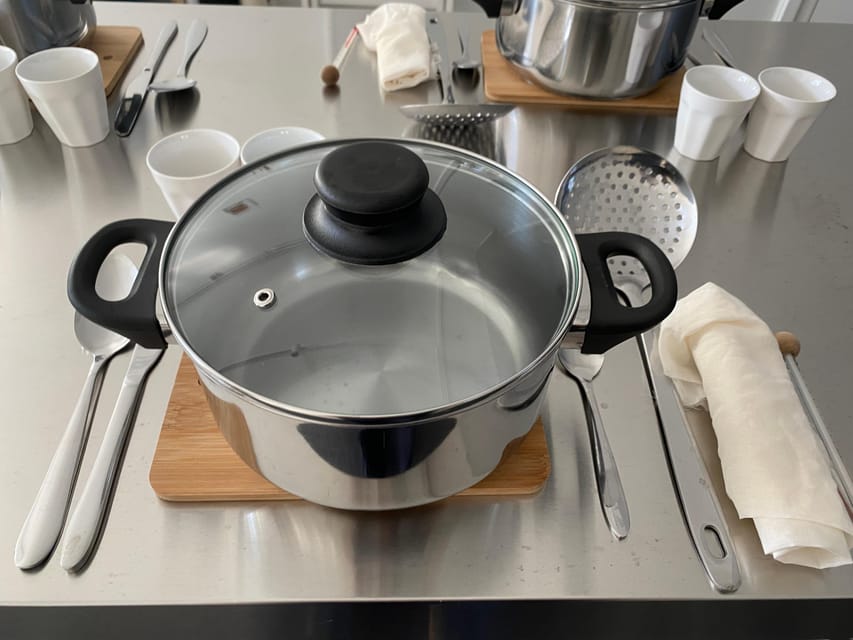
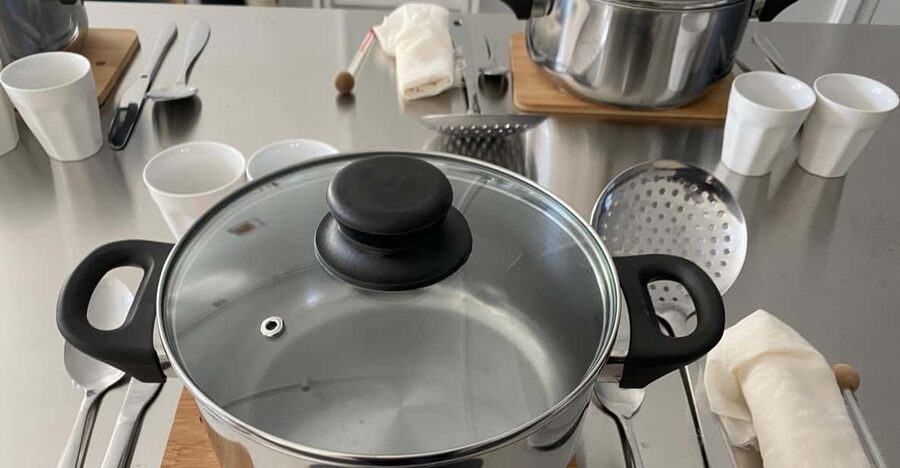
- Two milk methods taught clearly so you know what changes when you make fresh versus aged styles
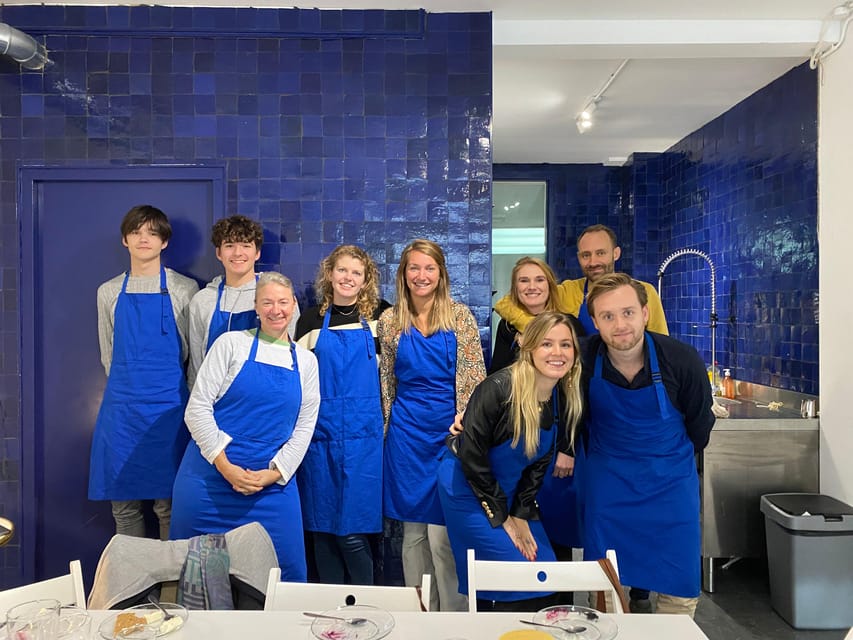
- Hands-on cheesemaking in a small group limited to 10 participants for real attention
- Flavor customization with spices and herbs you can experiment with during the process
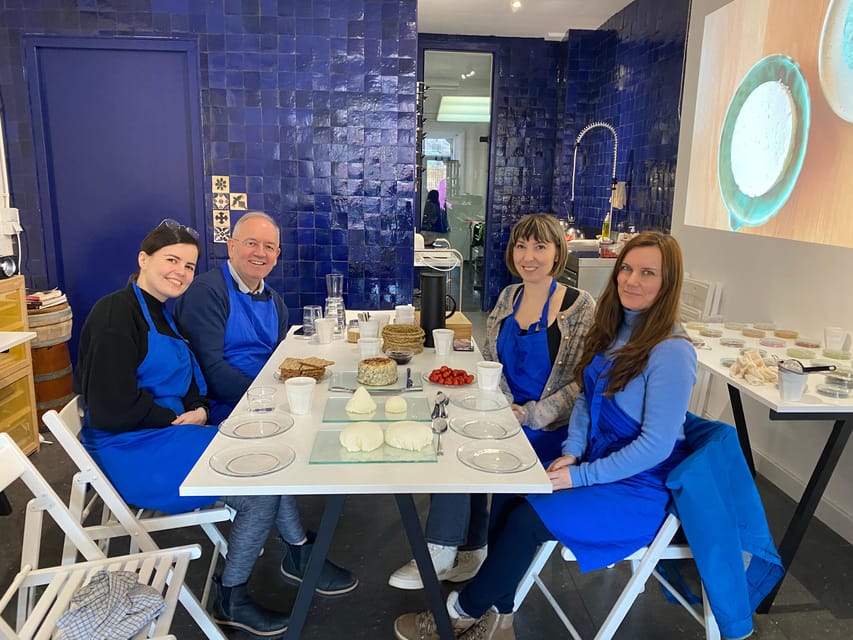
- Tasting included with a homemade spread of fresh and pressed results
- Everything packed for you to continue at home including cheese cloth, rennet, calcium, and emailed recipes
Cheese Lab Basics at De Kaasserie Near De Hallen
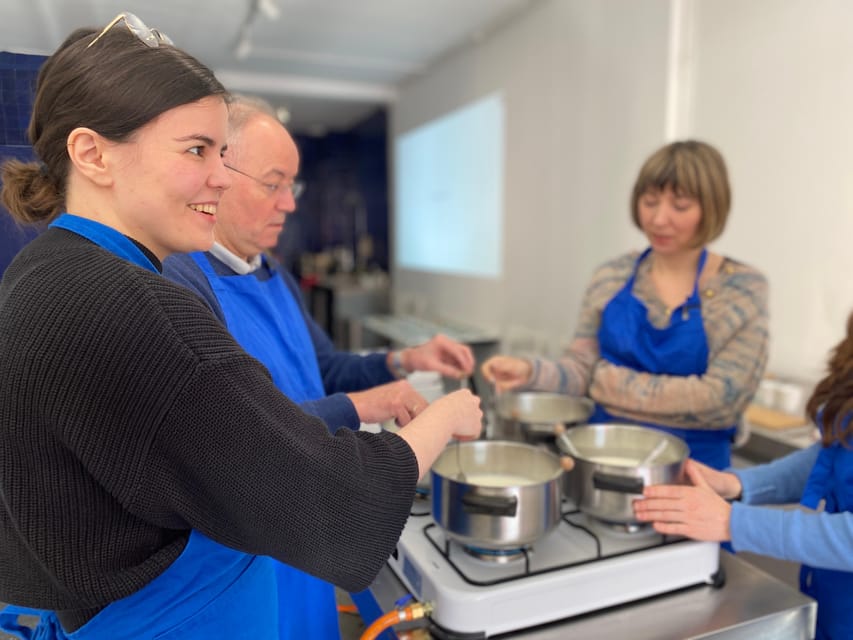
If you like practical travel experiences, this one makes sense right away. It is a 3-hour workshop in North Holland that stays focused on one goal: make cheese, understand the basics, then take the method home with you.
You meet at De Kaasserie, and the workshop begins with a short introduction to the space and what you will do during the session. In at least one class, Paula was the instructor, and she started with a brief slide-style overview and had everyone introduce themselves. That matters more than it sounds, because it sets the tone for a relaxed group where you feel comfortable asking questions.
This is also a great fit for a group size that stays manageable. You are not wedged into a large classroom. The session is capped at 10 participants, so you get enough time to actually handle the process and follow steps without feeling rushed.
More Dutch cheese tastings:
- Amsterdam Classic Saloon Boat Cruise with Drinks and Cheese
★ 5.0 · 31,825 reviews - Amsterdam: Classic Boat Cruise with Optional Cheese & Wine
★ 4.6 · 22,925 reviews - Amsterdam: Guided Zaanse Schans, Windmills & Cheese Tour
★ 4.4 · 4,826 reviews
What You Learn in 3 Hours: Acid vs Rennet Coagulation
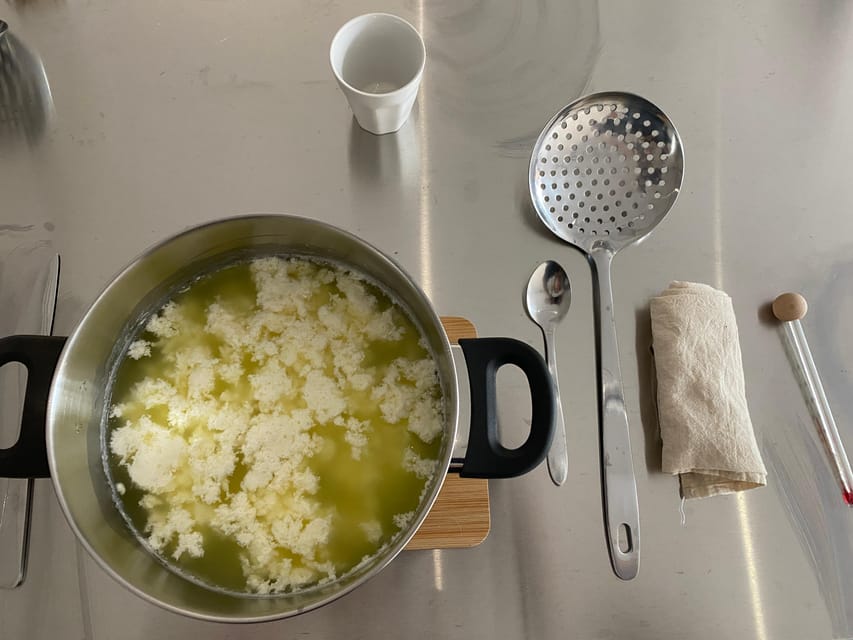
The core of the class is learning the two basic ways milk coagulates. That phrase sounds technical, but you get it in normal language. You will learn how to make one acid-coagulated cheese using one liter of supermarket milk, and you will use a second liter to make a rennet-coagulated cheese.
Here is the practical value of that difference. Acid coagulation is used for fresh cheeses, while rennet coagulation is the procedure used to make aged cheese. Once you understand how the curd forms with each method, you have a clear path for what to try next if you want to move beyond fresh cheese.
You also get context for why the class is structured the way it is. The goal is not to overwhelm you with a hundred varieties. It is to give you two solid starting points so you can keep experimenting at home with confidence.
The Hands-On Part: Turning Two Liters of Milk Into Two Cheeses
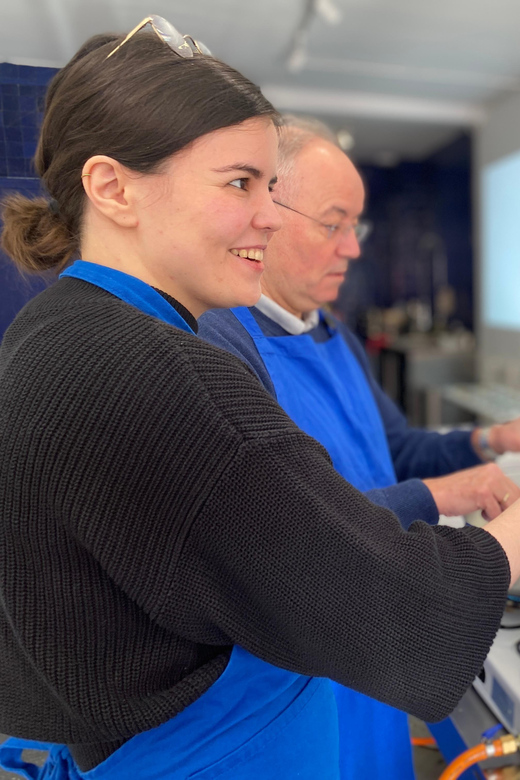
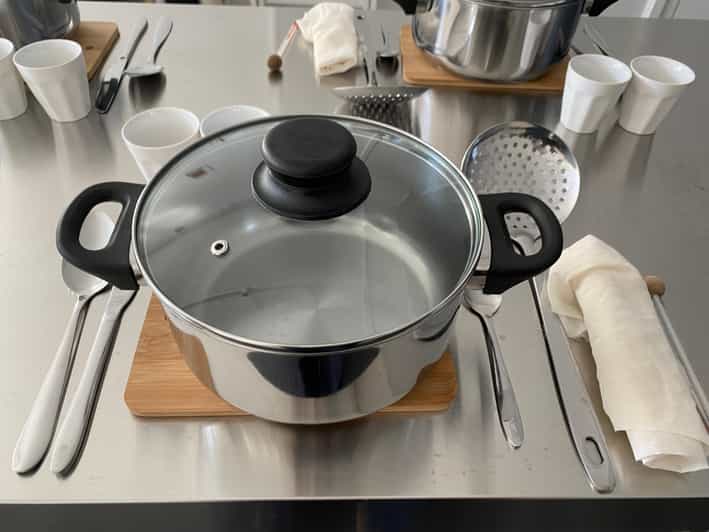
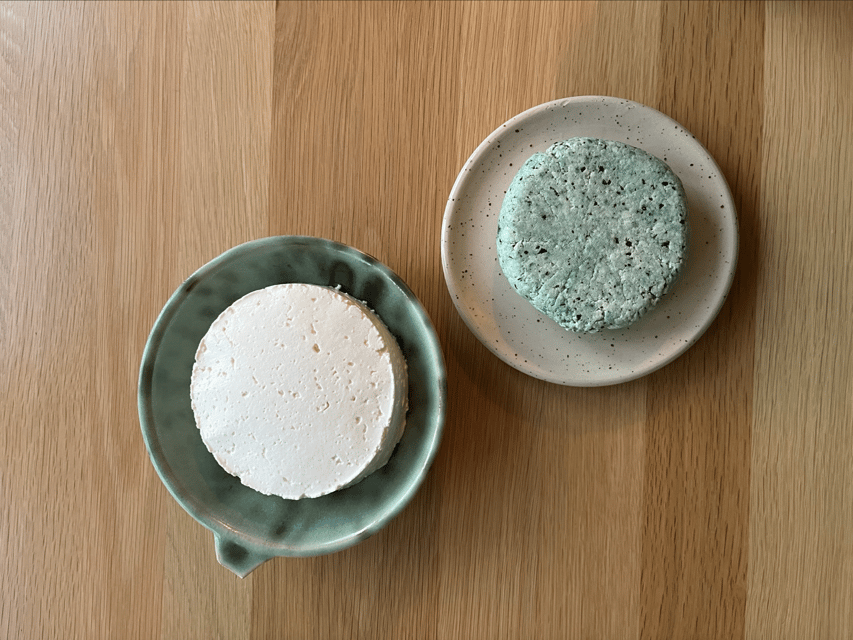
After the intro, you get to work. Your class uses two liters of supermarket milk, and you end up with two pieces of cheese, one made with acid coagulation and one made with rennet coagulation. Even if you have never made anything like this before, the process is built to be doable during a single 3-hour session.
You will also be guided through the key steps and timing, and you will see how small changes in handling can affect the final texture. That is one of the reasons this kind of workshop beats most food tours. You are not just tasting someone else’s result, you are building the result with your own hands.
The rennet side has extra long-term appeal. Because rennet coagulation is used for aged cheese, learning this method with a fresh style gives you a foundation. If you later want to try more complex, longer recipes at home, you are not starting from zero.
Adding Spices and Herbs, Then Making It Yours
A simple workshop can still be memorable if it lets you personalize the outcome, and this one does. You have the chance to experiment with adding spices and herbs to your cheese.
This is where you can turn the class into something personal instead of just educational. If you love Dutch flavors, you might lean toward savory herb blends. If you prefer subtle seasoning, you can keep it light and see how the milk base still shines through.
You do not need culinary skills for this part. The point is experimentation in a guided setting. You get a chance to taste and think, then make adjustments for your next try at home.
Same city, a different kind of day out:
- Amsterdam Luxury Canal Cruise + Unlimited Drinks & Bites option
★ 5.0 · 30,518 reviews - Amsterdam: Heineken Experience Ticket
★ 4.6 · 30,055 reviews - Amsterdam: Rijksmuseum Entry Ticket
★ 4.7 · 25,535 reviews - Amsterdam: Evening Cruise with Optional Wine and Snacks
★ 4.4 · 19,696 reviews
The Tasting Session: Fresh and Pressed Homemade Results
Once both cheeses are ready, the workshop wraps up with a tasting of your homemade cheeses. This is included, and it is not just a quick nibble.
You will taste a fresh style and a pressed style, so you can compare what acid versus rennet means in the real world. That comparison is especially useful because it helps you link the method you learned with the flavor and texture you notice.
I like that the tasting is built into the experience. You get closure and a clearer sense of what you actually produced. If you only made cheese and never ate it, you would miss the moment that makes it stick.
What You Take Home (Tools, Cheese Cloth, and Recipes)
The best souvenir here is not a photo. It is what you can repeat.
You leave with two cheeses. The workshop also includes a take-home kit with cheese cloth, rennet, calcium, and recipes sent to you by email. That matters because the emailed recipes let you recreate your results without guessing.
If you plan to keep cooking when you get home, this is a real advantage. Many workshops stop at the class. This one gives you the supplies and the next steps.
One practical note: the workshop uses two milk types and produces fresh kinds of cheese. Your take-home items are set up for you to try the process again, not for you to turn into an expert cheesemonger overnight. Still, the foundation is solid, and the materials make it easier to follow through.
Price and Value: Is $135 Worth It for 3 Hours?
At $135 per person for a 3-hour workshop, you should think about value in terms of what you receive, not just the time. You are getting guided instruction, hands-on cheesemaking with two types of coagulation, a tasting, and take-home cheese plus tools.
Compare that to typical food experiences that mainly involve eating. Here, you are producing food. You also get materials like rennet, calcium, and cheese cloth, which would cost extra if you bought them separately.
You also get a small-group format. The session is limited to 10 participants, which usually means better help during the hands-on part. If you are someone who learns by doing, that attention can be worth a lot.
And the location is part of the value. De Kaasserie sits in a lively area near De Hallen, so you can build your day around it. You can fit this into an itinerary without losing your whole afternoon to transit.
Best For Who: Learning a Lifelong Skill, Not Just a One-Off Snack
This workshop is ideal if you want a skill you can keep using. The class is built around basic principles of cheesemaking, so it feels like a gateway into a whole new craft world.
You will also like it if you enjoy food science in a friendly, practical way. The acid versus rennet concept is a straightforward foundation, and it explains why one path tends toward fresh cheese and the other connects to aged cheese.
It is not the best choice if you fall into the stated limits. It is not suitable for children under 16, and people over 95 are not recommended. And if you have lactose intolerance, you should skip this workshop, since it uses milk as the main ingredient.
Language support is another plus. The instructor can work in English, Spanish, French, and Dutch, so you should be able to understand the steps without strain.
Practical Tips for Your Visit Near De Hallen
You do not need fancy preparation, but a few things will help you get more out of the 3 hours.
First, plan to arrive ready to participate. The session has a presentation, then active cheesemaking, then tasting. If you are running late or distracted, you will feel it when the hands-on part starts.
Second, think about what you will ask during the intro. Since the class covers two milk coagulation methods, it is worth noting any question you have about what changes when you switch methods. Asking one question early can help you follow everything later.
Third, remember that no coffee or alcoholic beverages are included. You will get tea with the introduction to De Kaasserie. If you want a full drinks plan for the rest of your day, make room to grab something after.
Finally, keep expectations realistic. You are making fresh kinds of cheese during the workshop. You will learn how rennet connects to aged cheese, but you will not be aging a wheel in three hours. This is about building your understanding and leaving with a workable start.
Should You Book This Cheese Workshop by De Hallen?
Book it if you want hands-on food education that you can repeat, not just a guided tasting. You get two types of coagulation, active experimenting with spices and herbs, a real tasting, and take-home supplies and recipes by email.
Skip it if you have lactose intolerance, need an experience for kids under 16, or prefer a lighter, more passive activity. Also consider that you are paying for instruction plus materials, so it is best when you truly want to make cheese yourself.
If you are the type who likes learning a craft you can keep doing, this is one of the most practical workshops you can fit into an Amsterdam trip.
FAQ
Where is the workshop held?
You meet at De Kaasserie, and the activity is near Amsterdam’s De Hallen area. The meeting point may vary depending on the option booked.
How long is the cheese making experience?
The duration is 3 hours.
How many people are in the group?
It is a small group limited to 10 participants.
How much does it cost?
The price is $135 per person.
What languages are available with the instructor?
The instructor can teach in English, Spanish, French, and Dutch.
Is tea included, and are drinks included besides that?
Tea is included with the introduction to De Kaasserie. No coffee or alcoholic beverages are included.
What do I take home at the end?
You take home two cheeses, cheese cloth, rennet, calcium, and recipes sent to you by email.
Recently reviewed around Amsterdam
- Rotterdam Center: Cocktail Bar Walking Tour – Self Guided★ 2.9 · 9 reviews
- Rent a bike in Amsterdam | 1, 2, 3+ hours★ 4.5 · 68 reviews
- Amsterdam: Rijksmuseum Masterpieces Guided Small Group Tour★ 4.9 · 31 reviews
- Romantic Photoshoot Experience for Couples in Amsterdam★ 4.7 · 25 reviews
- Amsterdam: Queer Nightlife Tour★ 4.8 · 7 reviews
- Amsterdam: Self-guided Red Light District Pub Crawl Mystery★ 3.7 · 6 reviews
- Amsterdam: Red-Light District Pub Crawl and Booze Boat Tour★ 4.1 · 120 reviews
- Amsterdam: Private Red Light District and Food Tour★ 4.8 · 62 reviews
Cheese, compared.
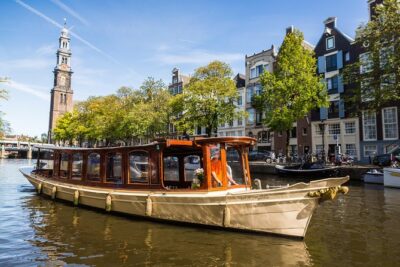
Amsterdam Classic Saloon Boat Cruise with Drinks and Cheese
Read our review →
Classic Boat Cruise with Optional Cheese & Wine
Read our review →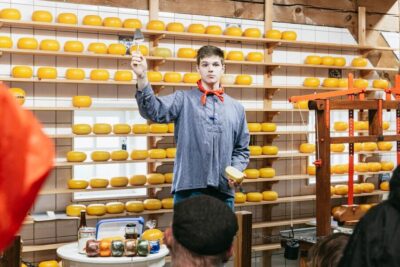
Guided Zaanse Schans, Windmills & Cheese Tour
Read our review →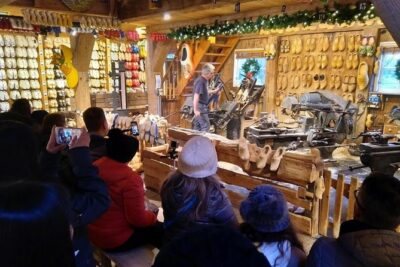
Zaanse Schans Windmills, Clogs and Dutch Cheese Small-Group Tour from Amsterdam
Read our review →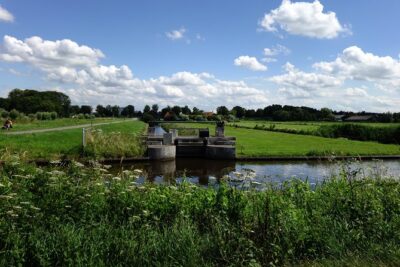
Countryside Bike Tour from Amsterdam: Cheese, Clogs & a Windmill
Read our review →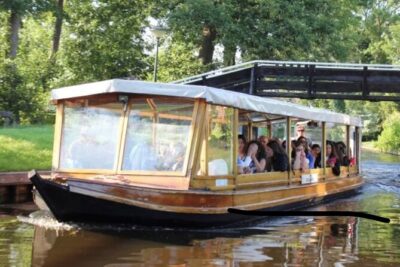
Giethoorn Tour Scenic Cruise, Cheese & Free Time
Read our review →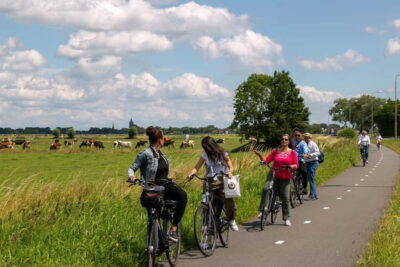
Windmill, Cheese, and Countryside E-Bike Tour
Read our review →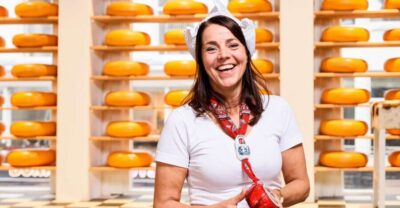
Premium Henri Willig Cheese Tasting Experience
Read our review →Browse the lists this tour appears in