
Reviewed · ANNE FRANK & JEWISH HISTORY TOURS
Amsterdam: National Holocaust Museum Entry Ticket
This visit is interesting because it tells a hard chapter of World War II history inside a real site tied to deportations, the Hervormde Kweekschool. I also like that the museum uses interactive holograms, so you are not stuck passively reading every panel.
I like the way the museum moves from everyday life to persecution, including the idea that Jews and non-Jews had the same rights before the war. One consideration: the material is heavy and information-dense, so you may find it best to plan a slow pace, or even split it over more than one visit.
Key things I think you should notice
- Hervormde Kweekschool setting: the building connects directly to how Jewish children were gathered and deported during the occupation
- Henriëtte Pimentel’s role: the museum highlights how she helped hundreds escape
- Before-the-war daily life: you get a clearer picture of Jewish life in the Netherlands, not just the tragedy afterward
- Unflinching faces and personal stories: the exhibits give victims recognizable identities, not just statistics
- Interactive holograms and audio support: some areas let you ask questions, and the audio guide helps pace the story
- Hollandsche Schouwburg memorial access included: you also get entry for the related memorial site (ticket included)
National Holocaust Museum in Amsterdam: Why the Hervormde Kweekschool matters
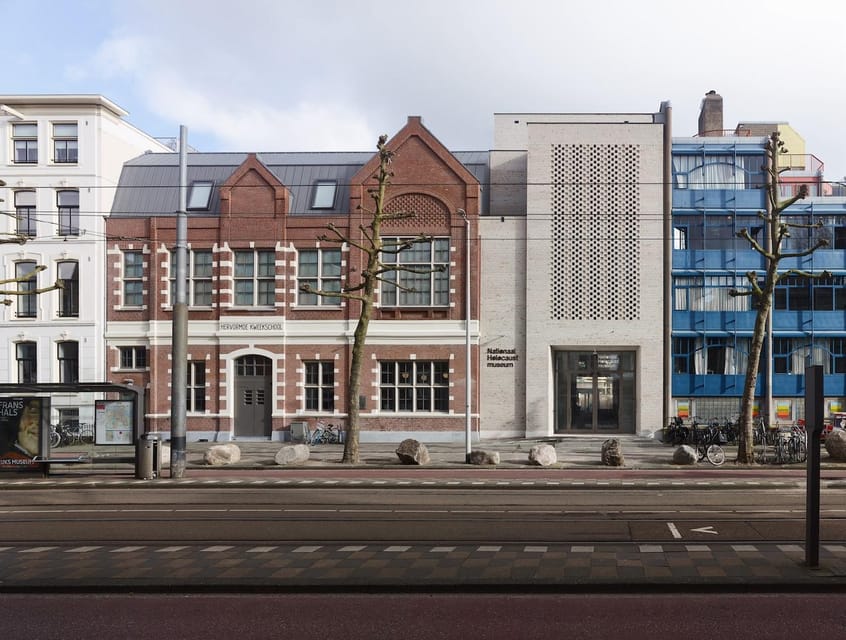
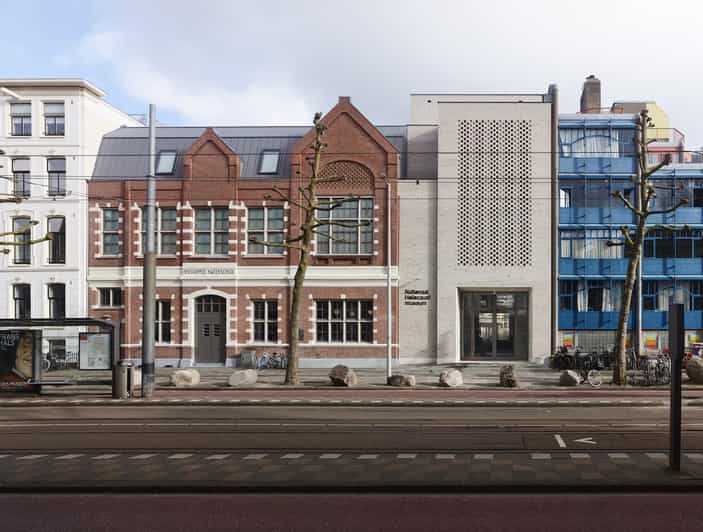
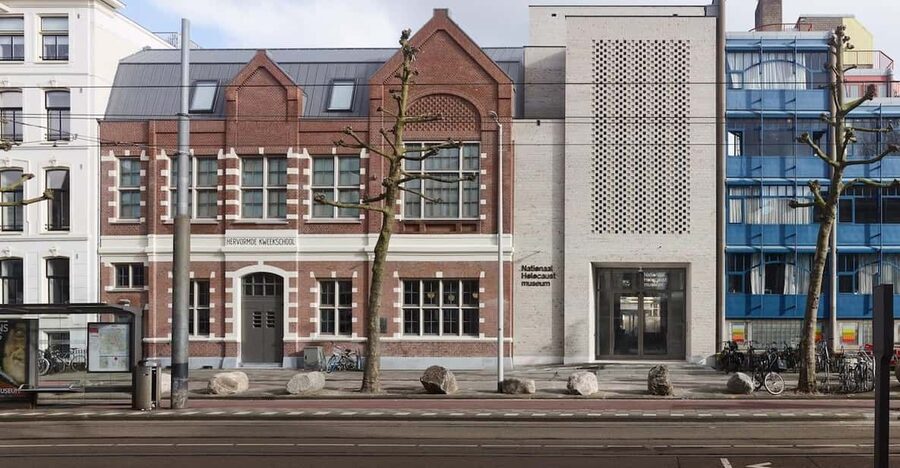
The National Holocaust Museum in Amsterdam is housed in the former Hervormde Kweekschool, a location loaded with meaning. This is not a generic “museum about the Holocaust.” It is a museum placed in a building tied to what happened to Jewish children during the German occupation, with details about how an adjacent daycare was used as a gathering and deportation point.
That physical link is part of the impact. You walk into rooms that were connected to the machinery of persecution, then the exhibits pick up the story step by step, from life before the war to what the Nazis carried out across Europe. The museum also connects local Dutch memory culture to the Holocaust, so you see how a country remembers, teaches, and grapples with this history.
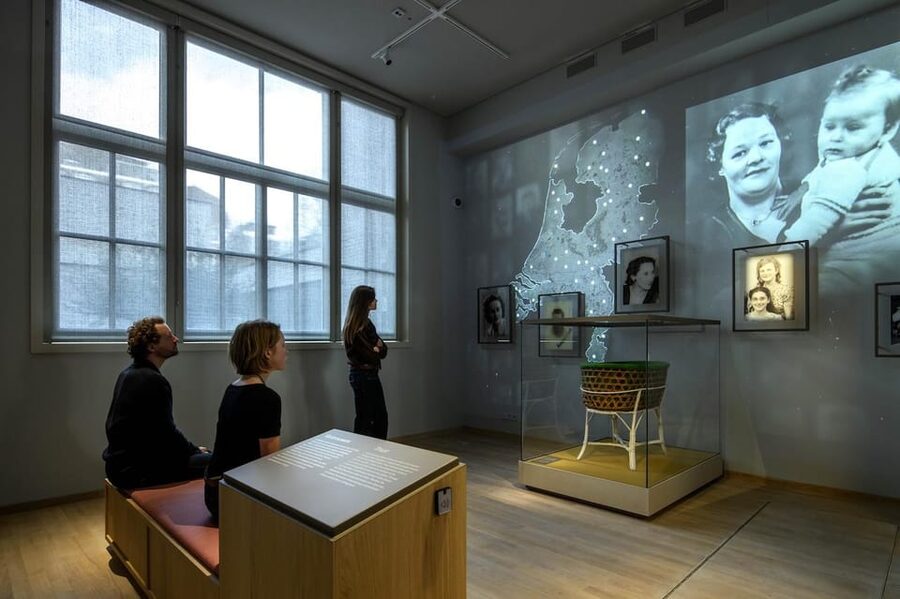
I also appreciate the museum’s tone. Multiple visitors talk about clear presentation and strong organization, and the theme remains focused: showing the victims as real people. The museum’s approach is direct about atrocities, and it uses recognizable faces to keep the subject personal.
From daily life to deportation: How the exhibits are built
A big reason to go is that the museum does not start with the worst moment and stop there. You get time with the “before” picture: how Jews and non-Jews lived alongside each other in the Netherlands, with the same rights. That context matters because it shows what was taken away, not just what was destroyed.
Then the exhibits shift into the occupation years, where you learn how the persecution unfolded. The Holocaust is framed as both European in scale and specific to the Netherlands, including the fact that Nazis murdered about six million Jews in Europe, and roughly three-quarters of the Jewish population in the Netherlands were killed. Those numbers are stark, but the museum works hard to connect them to real lives and recognizable individuals.
One particularly important thread is the fate of Jewish children connected to the Kweekschool site. The museum explains that Nazis used the adjacent daycare as a gathering and deportation point, and it also highlights Director Henriëtte Pimentel, who helped hundreds of children escape. That part is both heartbreaking and grounding, because it shows resistance and rescue inside a system designed to crush hope.
More Anne Frank and Jewish history tours:
- Anne Frank’s Story – Guided Walking Tour through Amsterdam
★ 5.0 · 11,619 reviews - Amsterdam: Life of Anne Frank and World War II Walking Tour
★ 4.8 · 10,467 reviews - Amsterdam: Anne Frank Guided Small Group Walking Tour
★ 4.8 · 2,722 reviews
Interactive holograms, audio guide, and how to pace your visit
If you like learning in a more active way, this museum has tools that can keep you engaged. Reviews mention interactive holograms that let you ask questions and get answers. That feature can make the museum feel more like a conversation than a one-way lecture.
You may also find the audio guide useful for pacing. Several visitors say it is informative and helps them understand what they are seeing without feeling lost in the galleries. Still, not everyone finds the flow effortless. One review notes that the amount of information can feel overwhelming, even when the content is excellent. Another points to the sheer volume of displays and sounds, suggesting you should carve out real time.
So here is my practical advice: plan for at least half a day, and do not treat this like a “quick stop between canals.” If you want to give yourself breathing room, consider splitting the visit. Heavy history plus long galleries adds up fast, and your brain needs breaks to digest what you read.
Artifacts, glass glare, and the reality of viewing memorial objects
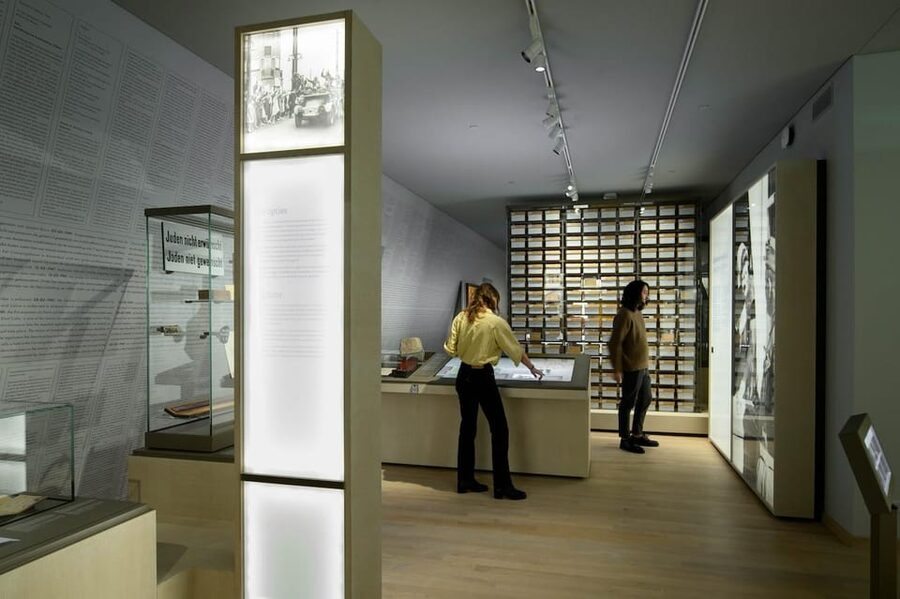
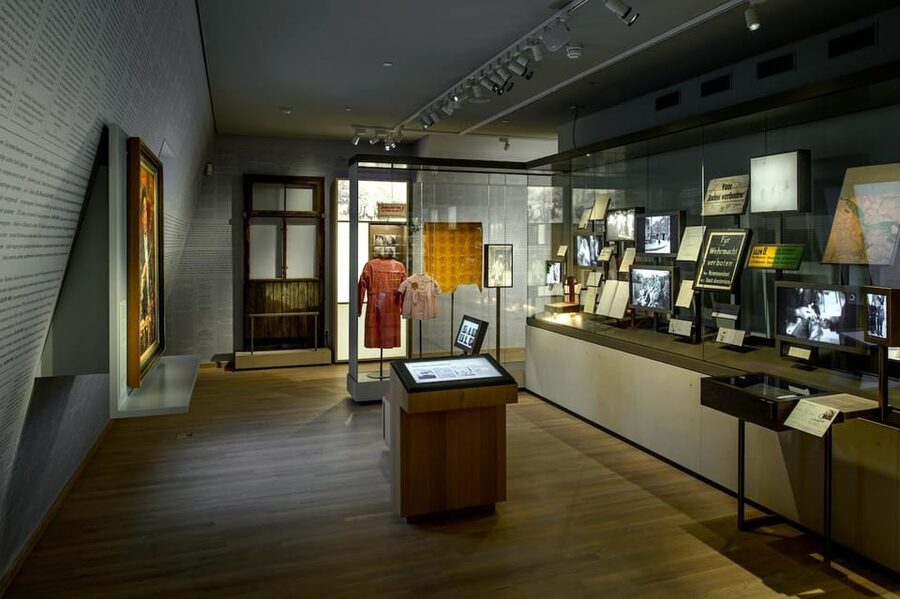
A common highlight in reviews is the quality of the displays: artifacts shown clearly, labels that make sense, and a layout that helps you follow the story. Visitors also mention strong emotional moments, including seeing suitcases and portraits that bring the Holocaust home in physical form.
One annoying detail to know ahead of time: some exhibits sit behind glass that can reflect light. A review specifically called out glare from glass cabinets, making it hard to see objects as clearly as they hoped. If you run into that, shift your angle. Look slightly from the side rather than straight-on, and give yourself a second to find a better viewing spot.
Also, the museum can feel intense in a good way, but some exhibits may be limited in how many people can view at once. One review mentions exhibits that could only be viewed by two people at a time, which can create a queue or force you to miss a moment if you are trying to keep moving. If you hate waiting, bring patience. If you do not mind, you will likely get better focus once you are finally in front of the display.
And yes, there is a museum cafe mentioned as excellent. Use it as a reset button. Even if you keep it simple, a break helps you handle the emotional weight without rushing.
Hollandsche Schouwburg memorial: the included stop that deepens the story
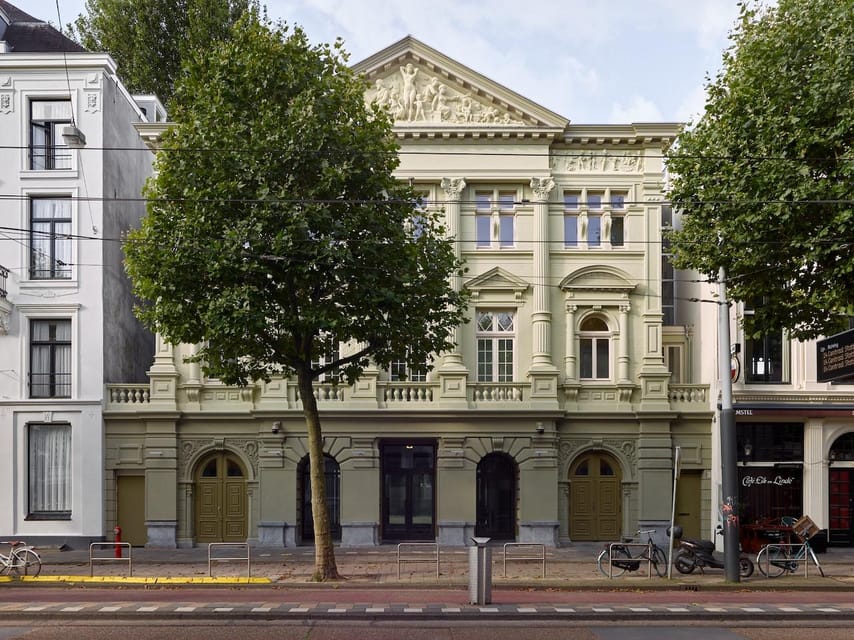
Your ticket package includes entry to the Hollandsche Schouwburg National Holocaust Memorial as well. That addition matters because it helps you connect what you learn at the main museum to a related remembrance space.
Even if you only have a limited time in Amsterdam, having this second site included gives you a fuller sense of how the Netherlands remembers the Holocaust. The museum covers a lot inside the Hervormde Kweekschool building, while the Hollandsche Schouwburg memorial gives you more room for reflection and context.
In practice, I recommend not stacking this perfectly back-to-back with another major museum. Instead, treat the Holocaust sites as one experience block. Give yourself time to sit down briefly, look longer than you think you need to, and then move on when your emotions are stable again.
More museums and galleries in Amsterdam:
- Amsterdam: The Upside Down Museum Entrance Ticket
★ 4.4 · 9,506 reviews - Amsterdam: Red Light Secrets Museum Entry Ticket
★ 4.2 · 5,722 reviews - Amsterdam’s Weirdest Museum: Believe It or Not!
★ 4.5 · 4,086 reviews - Amsterdam: Van Gogh Museum Ticket and City Canal Cruise
★ 4.6 · 3,899 reviews
Price and value: Is $24 a good deal?
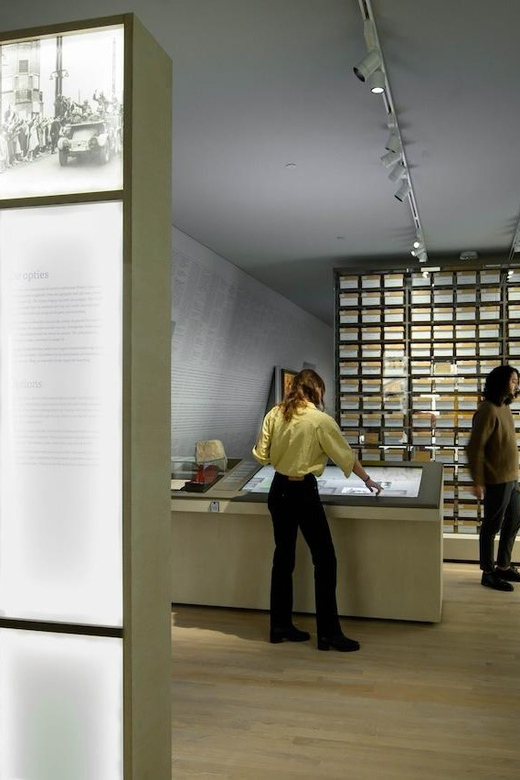
The ticket price is $24 per person, and the value comes from what you actually get access to. You are not paying for one building and one set of rooms. The included entry also covers the Hollandsche Schouwburg memorial, so you get two Holocaust-related stops from the same ticket package.
In Amsterdam, $24 is in the realm of typical museum spending, but you are getting content that is deeply meaningful and tied to a specific historical building. The reviews also suggest strong museum design, clear explanations, and tools like an audio guide and interactive holograms, which can make the experience feel more complete than a simple exhibition.
The biggest value question is your time. If you only have one hour and you prefer light culture, this is not the right fit. If you can spare half a day to a full morning, and you want context and personal stories, the price makes sense.
Also, a quick sanity check: the overall rating is 4.7 from 413 reviews, which usually indicates consistent satisfaction with how the museum presents the material and how visitors feel after.
Logistics in Amsterdam: what to do when you arrive
The meeting point is National Holocaustmuseum. From there, go straight into your planned pace. This is not a place where you will feel better by rushing. If you do arrive with low energy, fix that first. Grab water, use the restroom early, and give yourself time to settle in before you hit the heavier sections.
Photography is allowed, as long as you are respectful. I suggest you photograph only what truly helps you remember, not everything. It can be tempting to turn your visit into a photo sprint, and that is the last thing you want here.
Timing matters too. Reviews mention that some people ran out of time because the museum was closing earlier than they expected. One review even cites being told closing time around 16:58. I cannot promise any specific closing hour for your day, but you should plan a buffer. Start early, take breaks, and avoid scheduling another timed activity right afterward.
Who this experience suits best (and who should think twice)
This is best for you if you want a clear, emotionally direct museum visit that explains Dutch Jewish life, persecution during the occupation, and how the Holocaust is handled in Dutch national memory. It also suits you if you appreciate storytelling that uses real artifacts and personal accounts, and if you like tools such as audio support and interactive areas like holograms.
It might be less ideal if you are the type who needs casual, upbeat attractions. This museum is serious. Even when the presentation is well done, the subject is devastating, and you should come prepared for that.
If you are traveling with kids or teens, the museum can still be a meaningful stop, but I would think hard about pacing and age fit. The story includes the deportation of children connected to the site, so you may need to decide how much you want to expose and how you will handle questions afterward.
Should you book this Amsterdam Holocaust Museum ticket?
Yes, I think you should book it if you can give it time and you want a visit that is specific to the Netherlands, not just general Holocaust education. The ticket value stands out because it bundles access to both the National Holocaust Museum in the Hervormde Kweekschool and the Hollandsche Schouwburg memorial.
Book it especially if you like museums that help you understand the full arc, from everyday life and equal rights before the war to the mechanisms of persecution. And if you already feel sensitive to heavy content, that is not a reason to skip. Just plan a slower pace, bring your patience for queues at limited-view exhibits, and leave yourself enough time so you do not feel rushed.
FAQ
Where is the meeting point for this entry ticket?
The meeting point is National Holocaustmuseum.
How much does the Amsterdam National Holocaust Museum ticket cost?
The price is $24 per person.
What is included with the ticket purchase?
Your purchase includes entry to the National Holocaust Museum and entry to the Hollandsche Schouwburg National Holocaust Memorial.
How long is the ticket valid once activated?
The ticket is valid for 7 days from the first activation.
Can I take photos inside the museum?
Photography is allowed, but you should be respectful.
Is the experience wheelchair accessible?
Yes, the activity is wheelchair accessible.
Are there audio guides or interactive features?
Reviews mention interactive holograms where you can ask questions and they answer them, and an audio guide that helps explain the museum content.
What if I need to cancel?
You can cancel up to 24 hours in advance for a full refund.
Does the ticket offer flexible payment timing?
Yes. There is a reserve now, pay later option listed for keeping your plans flexible.
How long should I plan to spend there?
Plan for a longer visit than a quick walkthrough. Multiple reviews suggest dedicating about half a day and taking your time, since there is a lot to see and hear.
Recently reviewed around Amsterdam
- Rotterdam Center: Cocktail Bar Walking Tour – Self Guided★ 2.9 · 9 reviews
- Rent a bike in Amsterdam | 1, 2, 3+ hours★ 4.5 · 68 reviews
- Amsterdam: Rijksmuseum Masterpieces Guided Small Group Tour★ 4.9 · 31 reviews
- Romantic Photoshoot Experience for Couples in Amsterdam★ 4.7 · 25 reviews
- Amsterdam: Queer Nightlife Tour★ 4.8 · 7 reviews
- Amsterdam: Self-guided Red Light District Pub Crawl Mystery★ 3.7 · 6 reviews
- Amsterdam: Red-Light District Pub Crawl and Booze Boat Tour★ 4.1 · 120 reviews
- Amsterdam: Private Red Light District and Food Tour★ 4.8 · 62 reviews
Anne Frank & Jewish History Tours, compared.
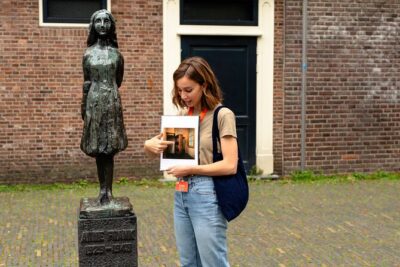
Anne Frank’s Story – Guided Walking Tour through Amsterdam
Read our review →
Life of Anne Frank and World War II Walking Tour
Read our review →

Anne Frank Walking Tour – Guided in EN/DE/IT/ES
Read our review →
Anne Frank Walking Tour Amsterdam Including Jewish Cultural Quarter
Read our review →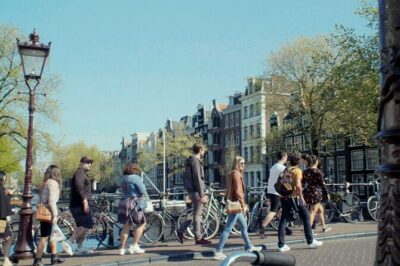
Anne Frank’s Last Walk & See Anne Frank House in Virtual Reality
Read our review →
Anne Frank and Jewish Quarter Amsterdam Private Walking Tour
Read our review →
Browse the lists this tour appears in