
Reviewed · MUSEUMS
Amsterdam: Rembrandt House Museum Entrance Ticket
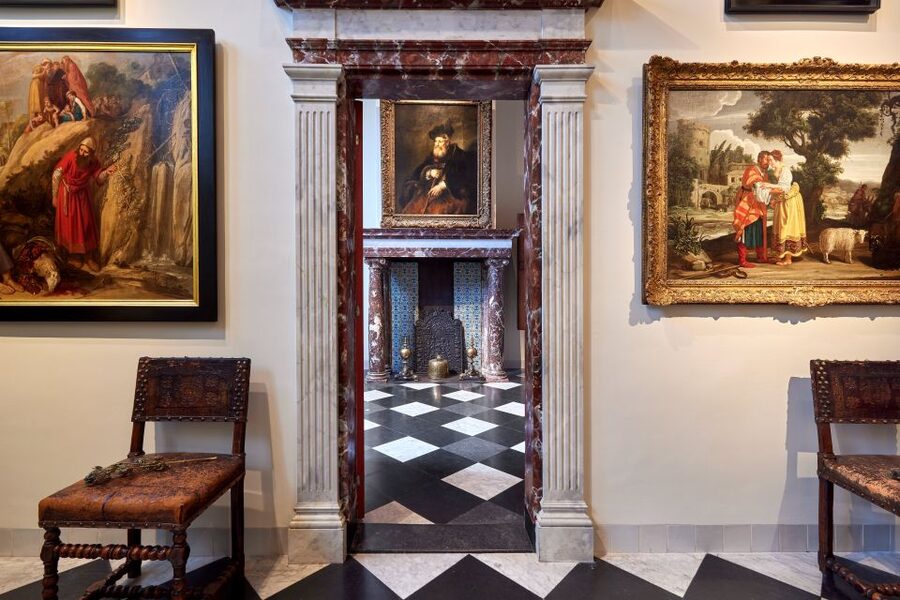
Few museum visits let you walk through the exact rooms where Rembrandt worked, with stories and art technique built into the house itself. I love how lifelike the Rembrandthuis feels and the multimedia tour that helps you connect each floor to his life. The one drawback to plan for is that this is a multi-story historic home with stairs, and it’s not suitable for wheelchair users or people with mobility impairments.
If you like art history that feels practical instead of textbook, this visit has a strong pull. Expect daily demonstrations that show the working side of painting and etching, plus hands-on elements in the temporary exhibition window (dates matter). It is also a great use of time in Amsterdam because you get a full story without needing half a day of hopping between sites.
Key things I’d circle before you go
- Five new spaces added, including an epilogue room and an etching attic
- Multimedia tour plus a full audio guide in multiple languages
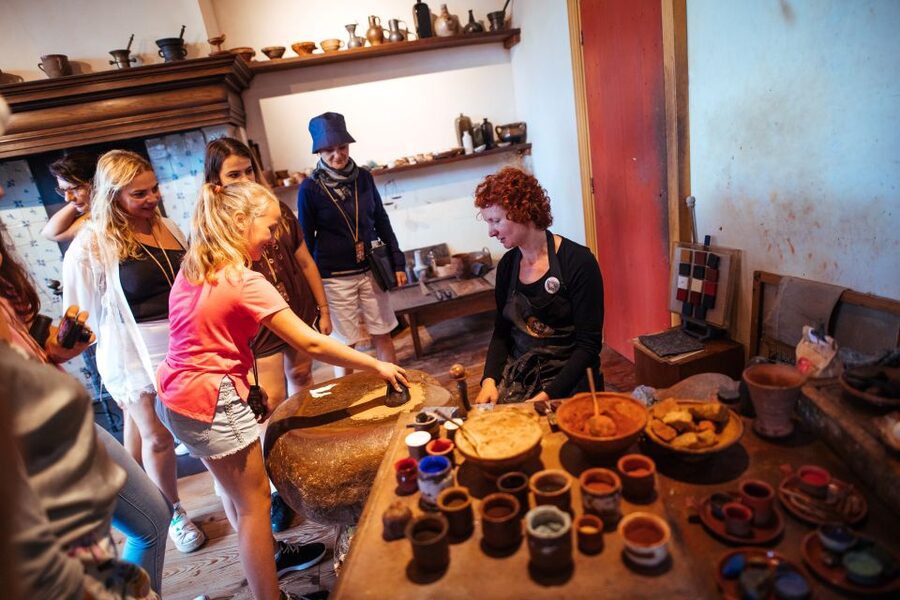
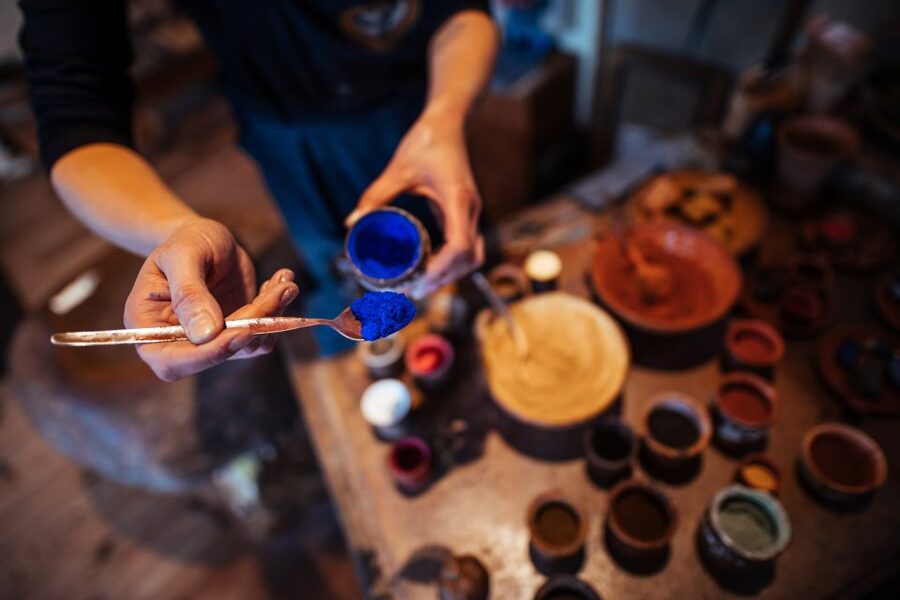
- Live demonstrations focused on etching and painting, including paint mixing in Rembrandt’s studio
- Rembrandt’s “behind the scenes” process, from studio tools to etching technique
- Temporary exhibition option: Rembrandts Masterclass (30 Jan 2026 to 25 May 2026)
Rembrandthuis at Jodenbreestraat, why this house-museum feels different
The Rembrandt House Museum works because it does not try to make Rembrandt larger than life. It shrinks the distance between you and him. You are in the same narrow streetscape world he inhabited on the Jodenbreestraat, then you move room by room through a domestic setting that was built for living and working.
What makes it particularly interesting is that it is not only about Rembrandt the icon. It’s about Rembrandt the craftsperson. You get explanations that tie what you see on the walls to what he was actually doing upstairs in the studio, and to the daily rhythm of materials, tools, and technique.
More museums and galleries in Amsterdam:
- Amsterdam: The Upside Down Museum Entrance Ticket
★ 4.4 · 9,506 reviews - Amsterdam: Red Light Secrets Museum Entry Ticket
★ 4.2 · 5,722 reviews - Amsterdam’s Weirdest Museum: Believe It or Not!
★ 4.5 · 4,086 reviews
Ticket value: why the price makes sense at about $23
At around $23 per person, this ticket is not cheap, but it also is not trying to sell you a single exhibit moment. You’re paying for more than entry: you’re getting a new multimedia tour and an included audio guide in a long list of languages.
That matters because the museum is designed for a self-paced flow. You can stop and listen when a room clicks, or you can move faster if you want the highlights. With the multimedia elements and audio structure, you’re not just walking through rooms, you’re following Rembrandt’s life arc.
Also, there is a lot of “process” content here. That is usually what costs extra in bigger museums, via special programming or separate ticketed experiences. Here it is folded into the visit through studio demonstrations and etching-focused spaces.
Meeting point on Jodenbreestraat and what your day should feel like
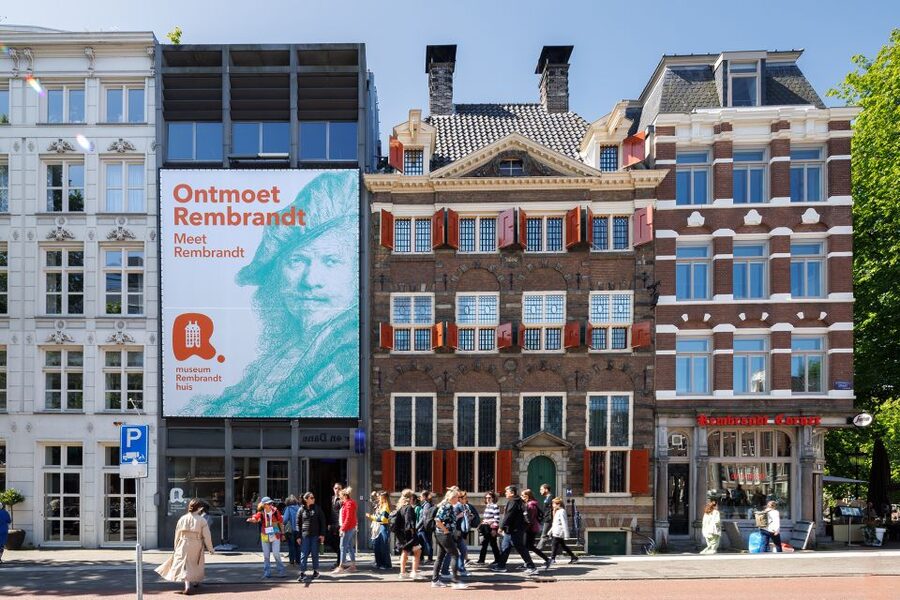
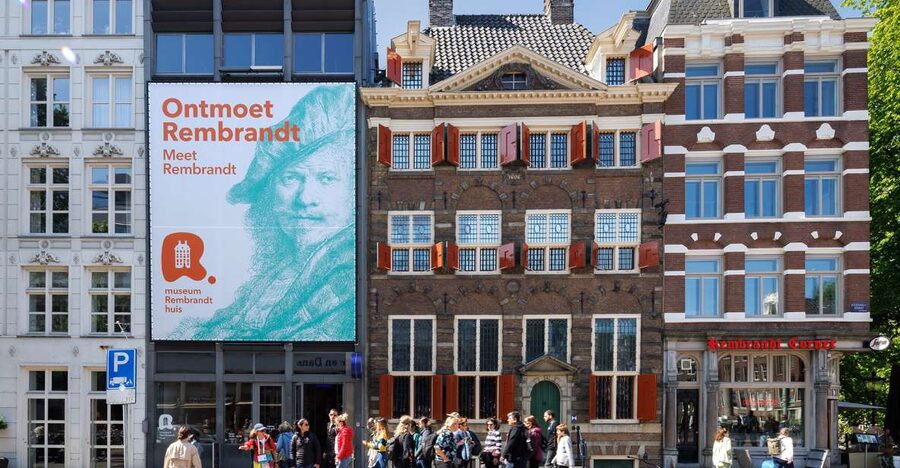
Your meeting point is straightforward: Rembrandt House Museum, Jodenbreestraat 4, Amsterdam. Pick a starting time that fits your energy level. This is one of those museums that rewards a calm pace, but it can also feel tight if you rush or get stuck waiting for demonstrations.
Plan on roughly 2 to 3 hours inside. People often spend a couple of hours because there’s a lot to absorb, especially when you stop for audio segments and demonstrations. The house is multi-floor, and you do not want to cut it short just when the best craft rooms kick in.
The multimedia tour: your map through Rembrandt’s life, room by room
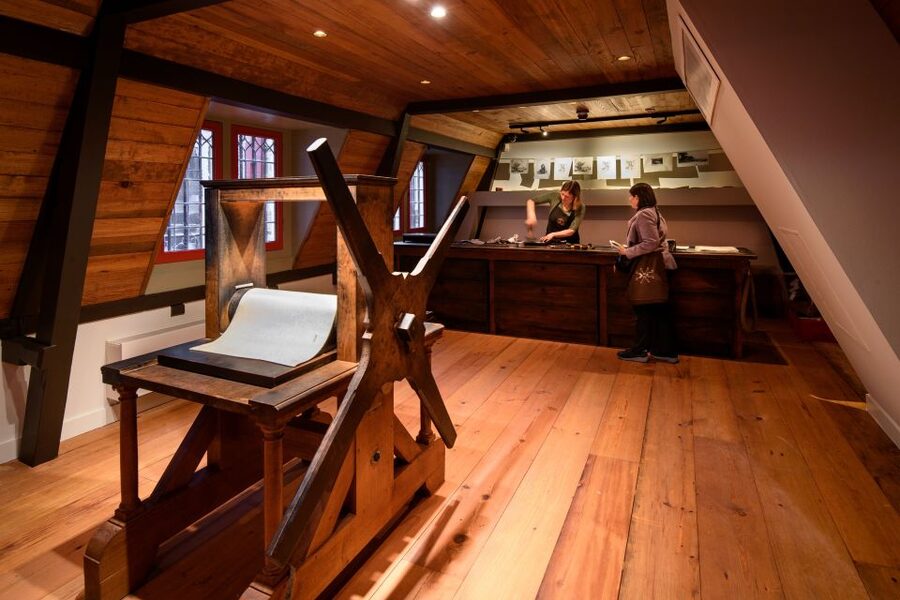
The museum’s big advantage is that the visit is staged. Instead of separating “the building” and “the story,” it stitches them together.
The new multimedia tour helps you follow Rembrandt’s path, including the rise of an ambitious celebrity artist and the later forced departure linked to accumulated debts. It is a key detail because it gives you emotional context for what you see in the house. You’re not just viewing rooms as set pieces. You’re seeing how life in that space connected to career pressure.
The audio guide is included as well, in Spanish, Dutch, English, French, German, Italian, and Russian. That’s useful if you’re traveling with mixed-language group members. One ticket solution is always a win when you’re trying to keep the day smooth.
A few more Amsterdam tours worth comparing
- Amsterdam: Heineken Experience Ticket
★ 4.6 · 30,055 reviews - Amsterdam: Rijksmuseum Entry Ticket
★ 4.7 · 25,535 reviews - Amsterdam: Icebar Entry Ticket with 3 Drinks
★ 4.2 · 14,562 reviews - Amsterdam: Keukenhof Ticket and Roundtrip Shuttle Transfer
★ 4.7 · 11,799 reviews
A practical tip for first-timers
The layout can feel like a puzzle at the start because it’s a real house with multiple floors, not a modern numbered complex. I’d give yourself a few minutes to get oriented before you commit to the audio path. Once you know which direction the rooms climb, it gets much easier.
Rembrandt’s home floors: daily life, objects, and the “how did people live” factor
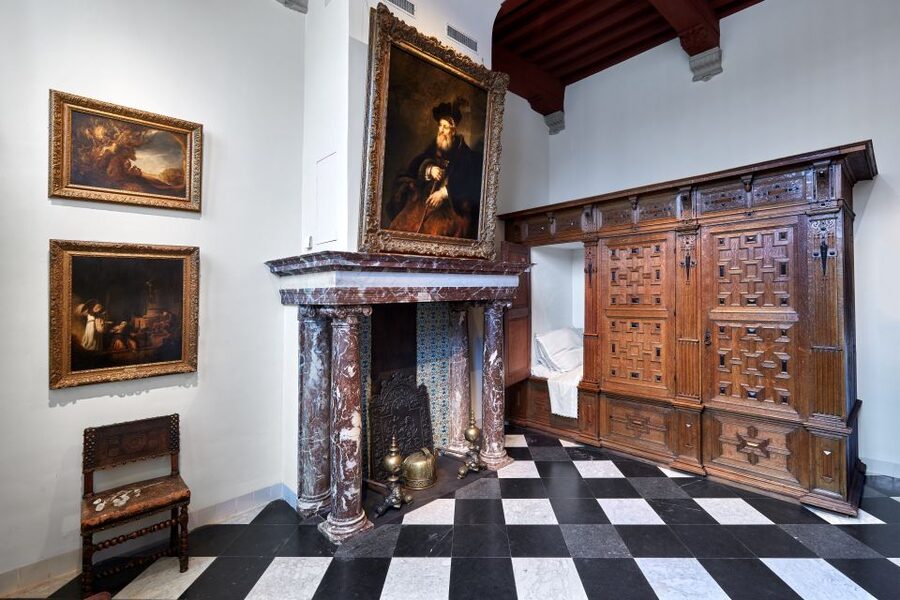
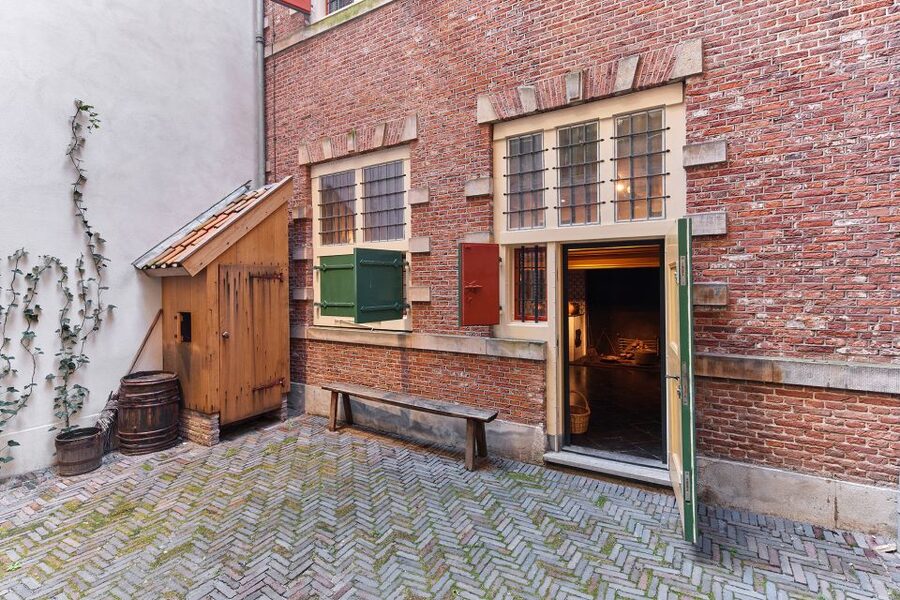
The Rembrandt House Museum is arranged to help you picture ordinary life in a 17th-century Amsterdam home. You move through reconstructed or represented spaces where you can connect domestic objects to artistic work.
In terms of experience flow, the living spaces and collection areas are especially important because they show how Rembrandt’s world looked when you are not thinking about him as a name in a textbook. It helps you answer questions like: What did daily work look like? Where did supplies go? How did visitors and family fit into the same rooms where art happened?
There are also new museum spaces (added recently) that expand the story. The big ones to look for are the epilogue room, the etching attic, and a third exhibition room. These additions keep the museum from feeling like a one-note house tour.
Studio paint mixing demo: where technique becomes visible
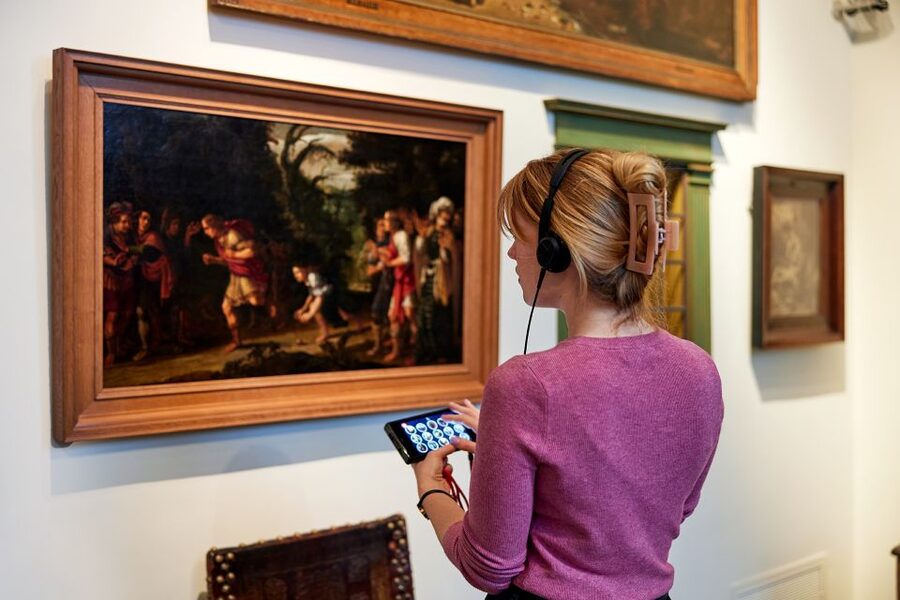
One of the strongest reasons to choose this museum is the focus on the studio process. The museum highlights how Rembrandt made paint, and that is where the visit shifts from story to craft.
In the exact place connected to his work, you’ll get a paint mixing experience through live demonstration. I like this part because it turns “art materials” from vague words into something you can actually visualize. You see the logic behind how pigments and binders might have been handled in that era, instead of treating paint as magic.
If you enjoy art technique, you’ll probably find yourself lingering. If you’re less interested in craft, this is still worth your attention because it gives you a practical lens on why Rembrandt’s work looked the way it did.
Etching attic and daily demonstrations: get the line-making story
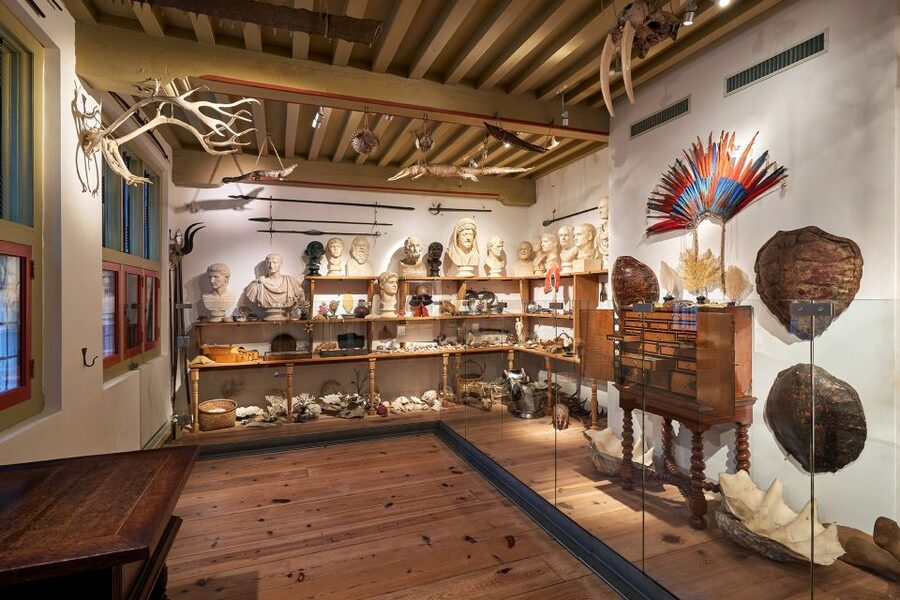
Etching is one of Rembrandt’s calling cards, and the museum builds an experience around that reality.
The etching attic is designed to teach you about etching techniques with a close-up feel, like you’re learning how the method works in stages. That matters because etching is not just drawing. It is a process with decisions built into the steps, and the museum structure helps you understand that.
On top of the special spaces, the museum offers daily etching and painting demonstrations. In other words, even if you do not consider yourself a heavy art nerd, the schedule gives you chances to see the techniques in motion. This is also a good way to break up the audio pace. You get a visual reset, then you can listen again and tie it back to what you just saw.
What you’ll actually see: not a painting museum, but still art-forward
A key expectation to set: this place is not built like a big gallery of Rembrandt paintings. It is more focused on his etchings, plus drawings and material that connects to his circle.
The museum features an almost complete collection of Rembrandt’s etchings. That is a major draw if you want to see how consistent his mark-making was across a wide range of works. It also helps you learn how his contemporaries influenced the period and how later artists took cues from him.
You’ll also encounter art by some of his contemporaries and works tied to those he inspired. That broader context is valuable because it positions Rembrandt inside a living network of Dutch art rather than presenting him as a lone genius.
Temporary exhibition window: Rembrandts Masterclass (Jan 30 to May 25, 2026)
If your visit falls between 30 January 2026 and 25 May 2026, you’ll be able to see Rembrandts Masterclass. This is a smart add-on because it pushes the question beyond what Rembrandt produced and toward how he worked.
The exhibition focuses on Rembrandt’s craftsmanship through five “masterclasses”:
- Looking
- Technique
- Emotion
- Experimenting
- Selling
I like that range because it treats making art like a full system. You’re not only learning method. You’re also learning how artists observe, test, and present themselves.
At the end, you’ll face The Anatomy Lesson of Jan Deijman in a slow watching room, where the experience guides you step by step through what that work brings together. There are also interactive elements, including drawing challenges like drawing an elephant, plus other activities that push you to analyze and practice posing for a self-portrait.
Timing, pacing, and stairs: plan for a house, not a flat museum
This is where I’d be honest with your planning. The museum is spread across multiple floors, and stairs are part of the experience. There is also a note in visitor feedback that the lift may be available for those who need it, but it’s not described as a substitute for wheelchair access. The museum itself is listed as not suitable for wheelchair users and not suitable for people with mobility impairments.
So, if your day includes a lot of stair climbing already, go in with eyes open. The good news is that the museum is manageable if you pace yourself. I’d recommend building in short breaks after the studio or etching demonstration sections, then returning to the audio path with fresh attention.
Best for who: Rembrandt fans, technique lovers, and curious first-timers
This ticket is strongest for three types of visitors.
First, if you’re a Rembrandt fan, the setting is a perfect match. You’re not just viewing his legacy. You’re seeing the daily environment behind it.
Second, if you like art technique, the combination of studio paint mixing, etching teaching spaces, and live demonstrations gives you a “process first” experience.
Third, if you are new to Rembrandt, the story format makes it easier to care. The audio tour follows a clear life narrative and anchors it to what you see in the rooms. You come out with a more human understanding, not only a list of famous works.
If you need a museum packed with finished paintings on big walls, you might feel differently. This is a house-and-process museum. The pay-off is in understanding how art gets made and how daily life supports a career.
Booking decision: should you book the Rembrandt House Museum ticket?
If your goal is value, craft, and a real-feeling connection to a major artist, I’d book this. For about $23, you get entry plus a multimedia tour, plus an included audio guide in many languages, plus opportunities to see live etching and painting demonstrations.
The call I’d make depends on one factor: your comfort with stairs. If stairs are a no-go, you should skip. If you’re fine with a multi-floor visit and you like learning through technique, this is one of the most satisfying art stops in Amsterdam.
FAQ
How much does the Rembrandt House Museum entrance ticket cost?
The ticket price is listed as $23 per person.
Where is the meeting point?
The meeting point is Rembrandt House Museum, Jodenbreestraat 4, Amsterdam.
How long is the experience valid for?
The ticket is valid for 1 day. You check availability to see starting times.
What is included with the ticket?
The ticket includes the Rembrandt House Museum entry fee and the new multimedia tour. An audio guide is also included.
Is there an audio guide, and what languages are available?
Yes. The audio guide is included and available in Spanish, Dutch, English, French, German, Italian, and Russian.
Are there live demonstrations during the visit?
Yes. The museum includes daily etching and painting demonstrations.
What special experiences are mentioned for the studio and etching areas?
You can see a paint mixing experience in Rembrandt’s studio area, and there is an etching attic focused on etching techniques.
Is the museum suitable for wheelchair users or people with mobility impairments?
No. It is listed as not suitable for wheelchair users and people with mobility impairments.
What is the cancellation policy?
Free cancellation is available. You can cancel up to 2 days in advance for a full refund.
Recently reviewed around Amsterdam
- Rotterdam Center: Cocktail Bar Walking Tour – Self Guided★ 2.9 · 9 reviews
- Rent a bike in Amsterdam | 1, 2, 3+ hours★ 4.5 · 68 reviews
- Amsterdam: Rijksmuseum Masterpieces Guided Small Group Tour★ 4.9 · 31 reviews
- Romantic Photoshoot Experience for Couples in Amsterdam★ 4.7 · 25 reviews
- Amsterdam: Self-guided Red Light District Pub Crawl Mystery★ 3.7 · 6 reviews
- Amsterdam: Red-Light District Pub Crawl and Booze Boat Tour★ 4.1 · 120 reviews
- Amsterdam: Queer Nightlife Tour★ 4.8 · 7 reviews
- Amsterdam: Private Red Light District and Food Tour★ 4.8 · 62 reviews
Museums, compared.


Moco Museum Amsterdam Entrance Tickets with Banksy & More
Read our review →


Amsterdam’s Weirdest Museum: Believe It or Not!
Read our review →


Browse the lists this tour appears in