
Reviewed · AMSTERDAM WALKING TOURS
Amsterdam: Private World War Two History Walking Tour
What makes this experience hit hard is the way it connects the streets you already know with the events of the Nazi occupation of Amsterdam from 1940 to 45. I especially like the max 4 people setup, because you are not herded through talking points, and you can ask questions as you go. I also like that the guides do this without an audio system, so the walk feels more like a conversation than a headset tour.
One consideration: this is focused on wartime trauma and deportation. You will see references to the fate of Jewish residents and the camps they were sent to, including Auschwitz and Sobibor, so it is not a casual history stroll. Also, the route does not include a few major sites like the Anne Frank House, so plan those separately if that is on your must-see list.
Key Things You Should Know Before You Go
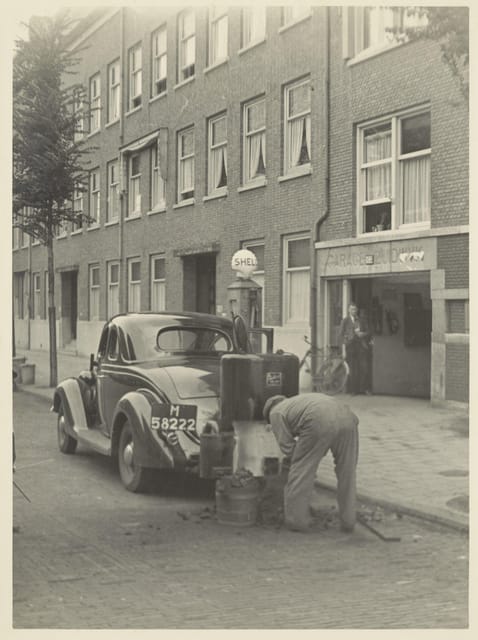
- Small group of up to 4 so you get personal attention and real time to ask questions
- No audio system, guided by three retired historians who keep a personal pace
- Dam Square focus (May 7, 1945) with a specific shooting incident you will discuss on site
- A street-by-street approach using photos, names, and a small keepsake booklet
- A statue tied to Auschwitz that gives a concrete, symbolic anchor to the story
Private, Small-Group Pacing Through Nazi-Occupied Amsterdam
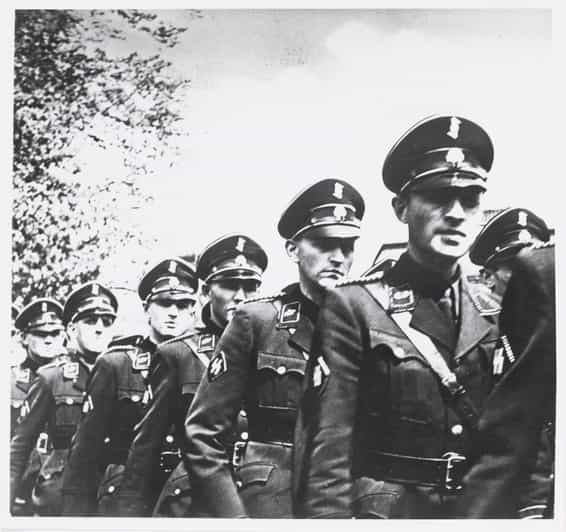
This tour is built for people who want the city off the usual postcard route. You walk past important locations tied to the German occupation, and you learn how Amsterdam life shifted under Nazi control. The pace is flexible because you are not stuck waiting for a crowd, and the format is designed for interaction, not passive listening.
I like that it is led by three retired historians with a clear passion for the German occupation during World War II. That matters because you are not just learning dates. You are learning how those events played out in specific places, and how Dutch resistance and local reactions shaped what could be seen and remembered later.
The “private group” angle is more than marketing. With a maximum group size of 4, the guide can slow down when you want context, or speed up when you are ready to move. You can also participate with a wheelchair, with an email heads-up so the coffee stop and route can be adjusted.
More walking tours in Amsterdam:
- Anne Frank’s Story – Guided Walking Tour through Amsterdam
★ 5.0 · 11,619 reviews - Amsterdam: Life of Anne Frank and World War II Walking Tour
★ 4.8 · 10,467 reviews - Absolutely Amsterdam – the Essential Introductory Walking Tour
★ 5.0 · 3,629 reviews
Meeting at Prinsengracht 263 and What You Carry During the Walk
Your tour starts at 9:30 A.M. in front of the old Anne Frank House on Prinsengracht 263. The meeting spot detail is very specific, which is helpful when you arrive in Amsterdam and want to find it fast. If you can touch the number plate 263, you are in the right place, and you will see the guide holding a big notebook.
You also get something practical during the tour: printed information on paper that you can keep. That is a big deal for this subject matter. When the material is heavy, having notes you can take home helps you process later, rather than trying to remember everything while your feet are moving.
I also think it is smart they ask you to bring an umbrella. Amsterdam weather can change quickly, and this tour still runs as a walk through multiple outdoor stops.
Finally, the guide language is English, so you get a direct explanation without translation delays. The tour is designed for you to stop and ask questions, not just to listen.
From the Wehrmacht Entrance to a Grand Hotel Welcome Reversal
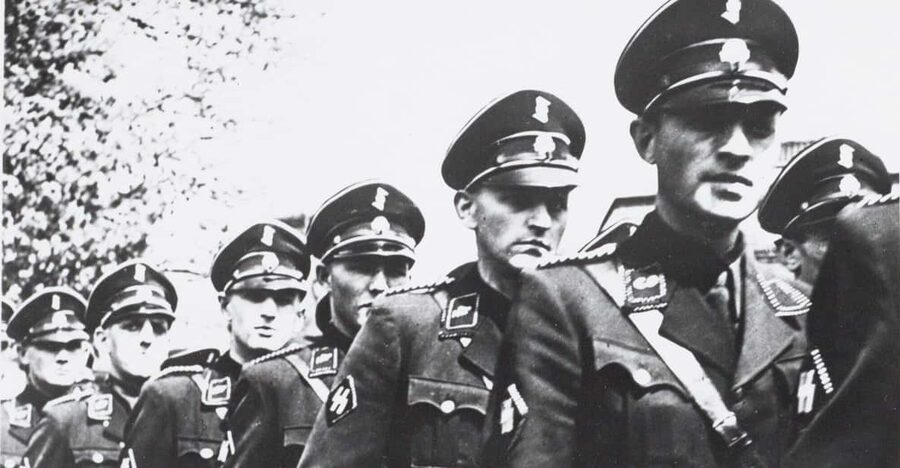
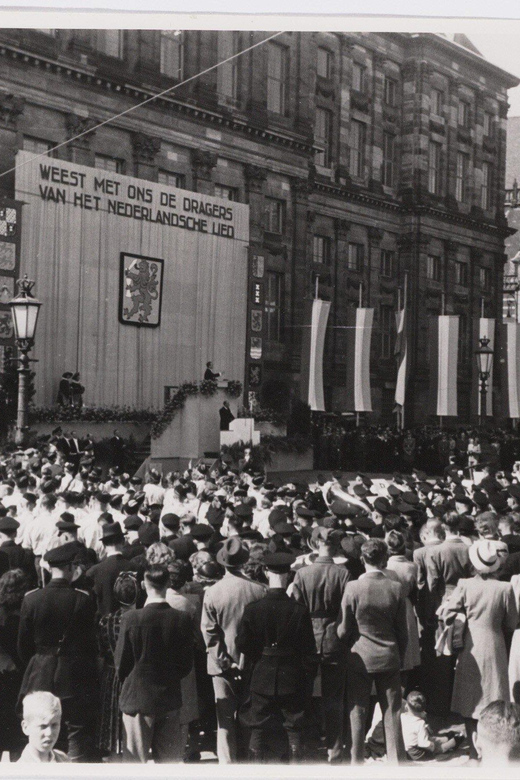
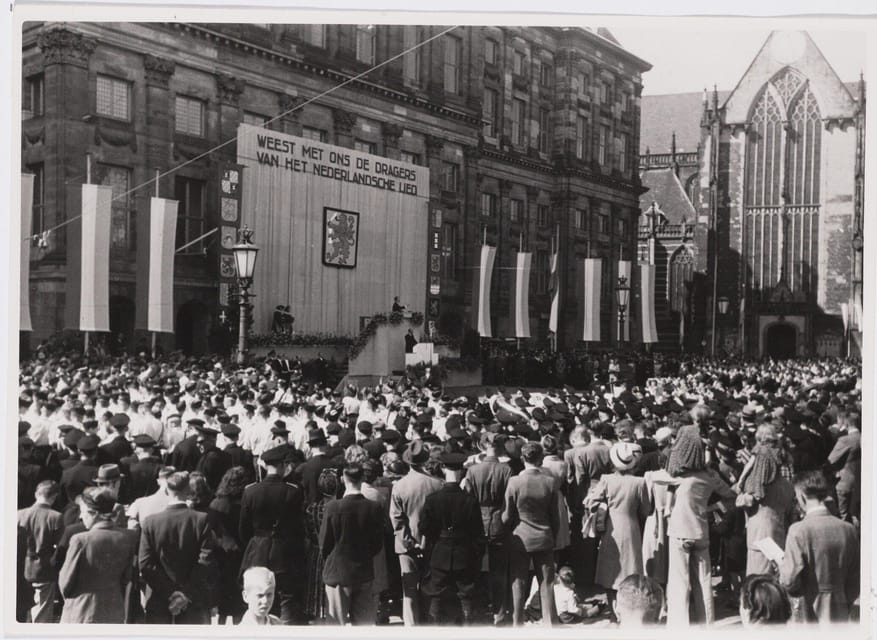
One of the early threads you follow is the entry of the German army, specifically the Wehrmacht. You do not just hear that it happened. You see the kind of places where it was publicly welcomed, and you learn how that public moment later became part of a bigger, darker story.
A standout stop is tied to the former town hall, which is now the Grand hotel. You will discuss photos of the welcome of the German army from that location. Later, you connect the same general area to a different wartime scene, when the Canadian army was cheered. That contrast is striking because it shows how quickly the meaning of a place can flip when the war changes direction.
Along the way, you will also reflect on resistance monuments and the stories behind them. The tour does show photos taken by Dutch resistance fighters at locations along your route, so the message is not only about what happened, but how people later captured evidence and memory.
This section works best if you like your history grounded in real streets. If you want a museum style timeline with exhibits, you might feel the walk format is slower. But for me, this street-level approach is what makes the tour memorable.
Dam Square on May 7, 1945, and What Changed
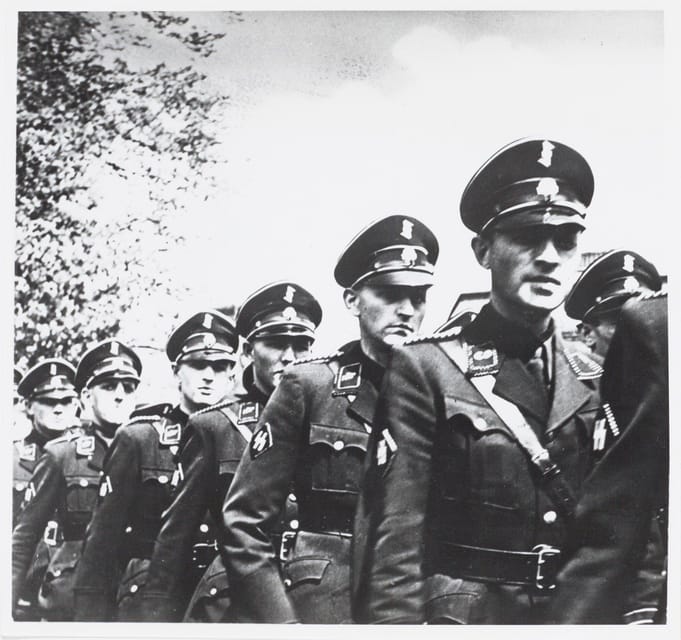
Dam Square is one of those places where you can easily think you already know the square. This tour makes you slow down and look again. You will pay attention to the shooting incident on Dam Square on May 7, 1945.
The key is that you do not treat it like a random tragedy. The guide explains how it fits into the end-of-war moment and the atmosphere in Amsterdam at that time. When you stand on the square and the story is anchored to that date, the lesson lands differently than reading it afterward.
This is also where the tour style matters. Because there is no audio system, you hear the guide clearly and you can react in real time. If you are the type who wants to ask why a specific moment mattered, this is a good stretch of the walk to do it.
More history-led tours in Amsterdam:
- Amsterdam Food and Cultural Tour with Tastings
★ 5.0 · 2,442 reviews - Amsterdam: Haunted History and Ghost Walking Tour
★ 4.5 · 488 reviews - Amsterdam High-End Dutch Food & History Tour – Up to 8 guests
★ 5.0 · 482 reviews - Amsterdam: Historic City Sightseeing Canal Cruise
★ 4.5 · 444 reviews
Winter of Hunger, Food Dropping, and Life Under Siege
Another major theme is the winter of hunger. You will learn about food dropping during that period, and you will connect it to what it meant for people in Amsterdam during the occupation.
Even if you already know the phrase winter of hunger, I find it helps to see how it becomes a story tied to the city rather than something floating in a textbook. The tour keeps returning you to the idea that survival was not abstract. It was street-level, day-to-day, and shaped by what people could access or receive.
This segment is also a reminder that occupation history includes not only soldiers and politics, but the daily struggle of civilians. That keeps the tour from being only about battles and checkpoints.
If you prefer fast, upbeat sightseeing, you may find this section emotionally heavy. But if you want the real human scale of the occupation years, this part is one of the most important.
One Amsterdam Street of Jewish Victims, Names, Photos, and a Small Book
This is one of the most praised and most meaningful parts of the tour. You will see references to Jewish victims in an Amsterdam street, and the guide takes a careful, specific approach.
You learn about deportations of the Jewish population and their fate in the extermination camps Auschwitz and Sobibor. Then the tour gets very personal in a very controlled way. The guide has selected all the Jewish residents of one street in Amsterdam in which camps they died. You will receive a small book with photos and names.
That small booklet changes how you process what you are hearing. Instead of staying at the level of general numbers, you can remember the story as something linked to actual people from a real address and street.
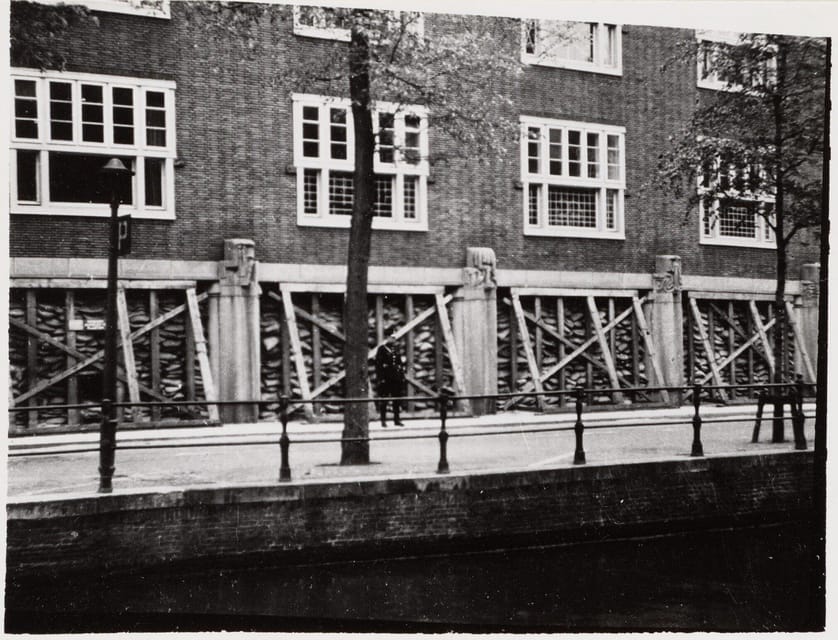
The tour also uses preserved photos taken by Dutch resistance fighters. You will see several of these photos at the same location, and the guide will explain the background and context. This is one of those rare history moments where the evidence feels close, not distant.
This part is also why I recommend the tour to people who want to understand how memory works. Amsterdam did not only live through these events, it also tried to document them. This section shows that effort in a practical, tangible way.
The Auschwitz Violin Player Statue and Why Symbols Matter
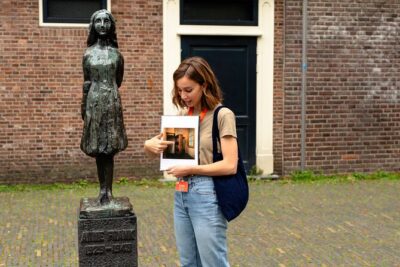
You will see a statue of the famous violin player from Auschwitz. It is included as a physical stop, not a side mention, which matters because symbols like this often get overlooked during normal sightseeing.
The guide connects the statue to the broader deportation and camp story you have already been hearing. That means the statue is not just an art object. It becomes part of the walk’s emotional and informational thread.
I like that it is handled thoughtfully. With a tour focused on human loss, the best guides treat symbols as reminders, not spectacle. In a walk like this, a statue can help you make sense of the tone, especially when the story turns very direct.
If you are the kind of traveler who wants history to be concrete, this stop is an effective anchor. If you dislike memorials and prefer to keep a lighter pace, you might want to think about whether this tour is the right fit today.
Coffee Break, No Audio System, and How to Keep the Tour Comfortable
About halfway through, you get a short break for coffee and or restroom. The cost of refreshments during the coffee stop is not included, but the stop itself is built into the experience.
I like that the tour can be extended a bit, and you can also have something to eat during the coffee stop, like a late breakfast. That makes the 3-hour timing feel realistic. You are walking, learning, and then you get a natural pause point.
Comfort is also part of the design. They do not use an audio system, and instead rely on a personal approach. That helps clarity, but it also means your comfort and questions matter more to the pacing. If you want to ask something in the moment, you can.
For wheelchair access, the tour is described as wheelchair accessible, but they ask you to email so they can take the coffee stop and route into account. That is exactly what you want to hear for a small-group walk through a historic city.
What Is Not Included, and How to Plan Around It
This tour is very specific, and it does not try to replace every major WWII site in Amsterdam. You do not visit the Anne Frank House, the Resistance Museum, or the Hollandsche Schouwburg (the deportation center). Tickets for those museums are not included because they are not on this route.
So how do you plan your day? If you have Anne Frank House on your list, you can still do it. The meeting point is right by it, but the tour itself does not go inside. You will also want to consider pairing this walk with a museum visit on a separate time slot, so you are not trying to do everything while your brain is processing difficult material.
There is also a practical note: drinks are not included at the coffee stop. Everything else, including the printed handout information, is part of the guided experience.
Price and Value: Is $188 per Group for Up to 4 Worth It?
At $188 per group up to 4 people, you are not paying for a mass-produced walk. You are paying for a guided experience designed for small groups, with no audio system, and with retired historians who can stay interactive. For many couples and small families, the value comes from splitting the group cost across up to four people.
You also get more than a verbal tour. You receive paper information you can keep, and you get a small book tied to the selected Jewish residents of one street. That kind of takeaway is hard to get from standard group tours.
You might question value if you are someone who likes big, famous landmarks and does not want heavy subject matter. But if you want an organized, street-level WWII focus on Nazi occupation sites, Dam Square, deportations, and documented names, the small group and the guide style are exactly where the money goes.
Who Should Book This Amsterdam WWII History Walk
I would book this if you want a focused World War II walk tied to real addresses and documented stories. It is especially suited to people who like to go off the beaten path and learn the traumatic side of Amsterdam’s past with specificity, not vague generalities.
It is also a good choice if you appreciate small-group attention and the ability to ask questions. With a maximum of 4 people, you should feel less rushed and more able to connect the dots between stops.
If you need a lighter day, or you avoid memorial-heavy contexts, you might prefer a different Amsterdam experience. This one takes you into direct stories of occupation, deportation, and loss.
Should You Book This Amsterdam World War II Walk?
Book it if you want a small-group, street-level WWII tour with a guide who can explain the story in a personal way, including key moments like the Wehrmacht entry, the Dam Square shooting on May 7, 1945, and the winter of hunger. It is also worth it for the takeaway of names, photos, and the booklet tied to one Amsterdam street.
Skip or think twice if you only want famous indoor attractions. This walk does not include the Anne Frank House, the Resistance Museum, or the Hollandsche Schouwburg. Also, go in ready for heavy content.
If that sounds like your kind of learning day, you will likely find it focused, grounded, and quietly powerful.
FAQ
Where does the tour start?
The tour starts at 9:30 A.M. in front of the old Anne Frank House on Prinsengracht 263.
How long is the walking tour?
The duration is about 3 hours, and it may extend a bit.
What is the group size?
The group size is never more than 4 people.
Who guides the tour?
The tours are given by three retired historians. One guide mentioned in the provided information is Peter Schaapman.
Is the tour in English?
Yes, the live tour guide is English.
Does the tour include an audio headset system?
No. They do not use an audio system and prefer a personal approach.
Is there a break during the walk?
Yes. About halfway through, there is a short break for coffee and or a restroom visit.
Are coffee or drinks included?
Refreshments during the coffee stop are not included.
Does the tour visit the Anne Frank House or other WWII museums?
No. It does not visit the Anne Frank House, the Resistance Museum, or the Hollandsche Schouwburg.
Do I need to bring anything?
You should bring an umbrella.
Recently reviewed around Amsterdam
- Rotterdam Center: Cocktail Bar Walking Tour – Self Guided★ 2.9 · 9 reviews
- Rent a bike in Amsterdam | 1, 2, 3+ hours★ 4.5 · 68 reviews
- Amsterdam: Rijksmuseum Masterpieces Guided Small Group Tour★ 4.9 · 31 reviews
- Romantic Photoshoot Experience for Couples in Amsterdam★ 4.7 · 25 reviews
- Amsterdam: Queer Nightlife Tour★ 4.8 · 7 reviews
- Amsterdam: Self-guided Red Light District Pub Crawl Mystery★ 3.7 · 6 reviews
- Amsterdam: Red-Light District Pub Crawl and Booze Boat Tour★ 4.1 · 120 reviews
- Amsterdam: Private Red Light District and Food Tour★ 4.8 · 62 reviews
Amsterdam Walking Tours, compared.
Anne Frank’s Story – Guided Walking Tour through Amsterdam
Read our review →
Life of Anne Frank and World War II Walking Tour
Read our review →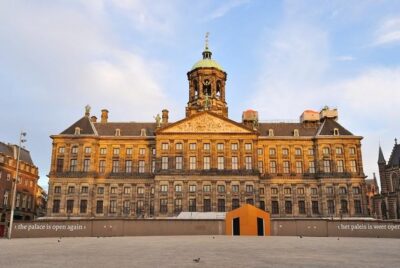
Absolutely Amsterdam – the Essential Introductory Walking Tour
Read our review →

Anne Frank Walking Tour – Guided in EN/DE/IT/ES
Read our review →
Anne Frank Walking Tour Amsterdam Including Jewish Cultural Quarter
Read our review →Browse the lists this tour appears in