
Reviewed · ROTTERDAM TOURS
Rotterdam: National Museum of Photography Entrance Ticket
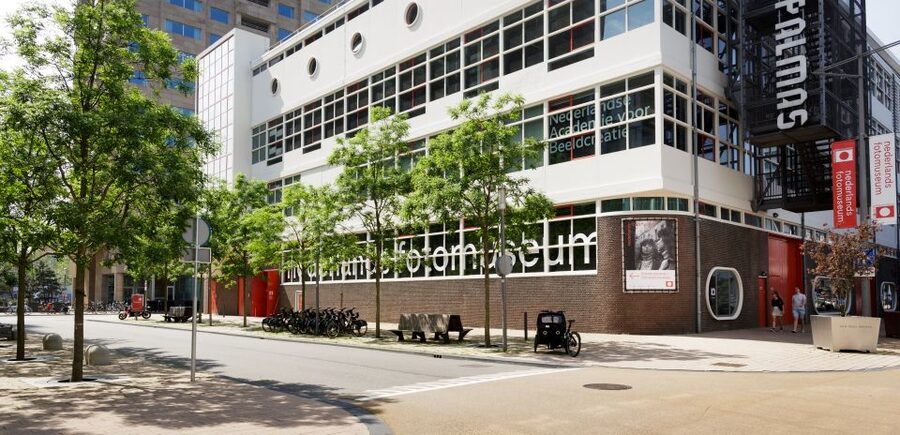
Rotterdam’s National Museum of Photography is interesting because it treats photographs like living documents, not just wall art. I like the scale of the collection, you’re told the museum holds millions of photographs plus deep archives. I also like the built-in audio app, since it’s aimed at helping you connect famous images to their real stories. One drawback to consider is that not everything is clearly set up for English speakers, so if you rely on English text for context, check what languages you’ll see before you commit.
Plan for a full day, because this place covers Dutch photography from the 180-year timeline that starts in 1842, then jumps forward to experimental work and today. You can also focus on the museum’s permanent anchor, the Gallery of Honour, with 99 iconic works. The main thing to watch is that the experience depends on what you expect from a photography museum, since some galleries can feel more narrative and photo-series focused than you might imagine.
Key highlights to notice before you go
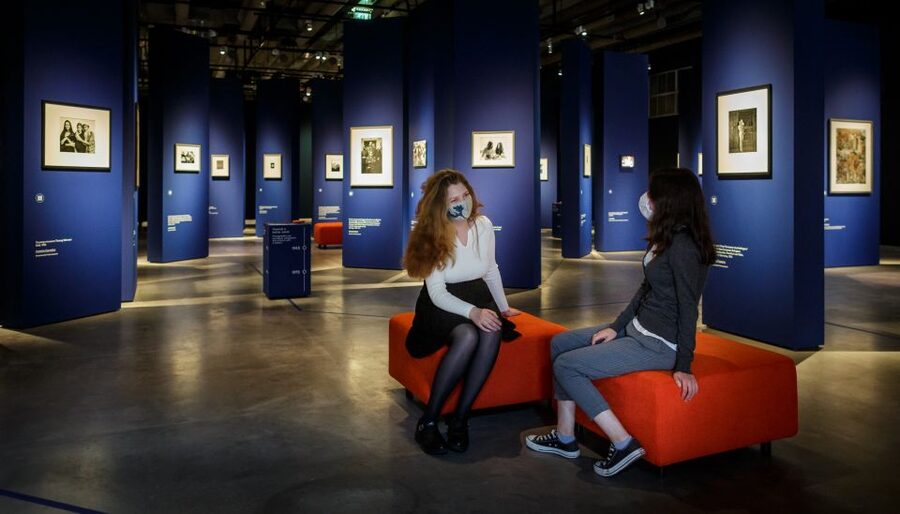
- The Gallery of Honour with 99 iconic Dutch photographs ties the story to a clear national timeline since 1842
- 5 to 7 changing exhibitions per year plus 2 consecutive series means you can catch something new across seasons
- The app-led audio tour helps you read images as stories, including background on iconic photos
- An experimental section gives you room to think, not just look
- Millions of objects and 175 archives show this isn’t only about displays, it’s about preservation
Rotterdam’s Nederlands Fotomuseum: what you’re really paying for
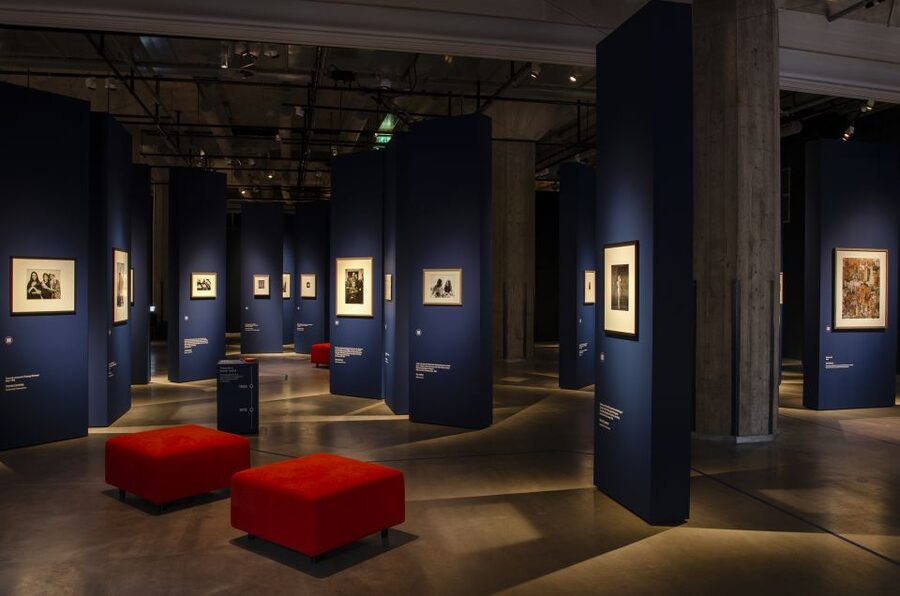
If you’re the type of traveler who likes museums that explain a medium, this ticket makes sense. You’re not just buying entry to rooms full of framed photographs. You’re paying for a guided-by-audio path through Dutch photography, with a permanent core plus rotating exhibitions, all designed to show how photography records culture, politics, migration, daily life, and technology.
I like that the museum frames photography as Dutch heritage that also connects to today’s international conversations. The museum emphasizes preservation, meaning the displays are supported by archives and careful conservation. In plain terms, that makes the visit feel more serious than a quick photo stop, even though you’re free to explore at your own pace.
At the same time, photography museums can be hit or miss depending on your expectations. If you want mostly large, famous images with simple English captions everywhere, you might feel the museum’s story delivery is not always as straightforward as you’d hope. The best approach is to go with the mindset of a self-guided tour, where the audio app does a lot of the interpretive work.
More Rotterdam tours and day trips:
- Rotterdam: Harbor Sightseeing Cruise
★ 4.3 · 7,599 reviews - Rotterdam: 1-Hour Sightseeing Splash Tour
★ 4.5 · 3,299 reviews - Rotterdam: Rotterdam Zoo Blijdorp Entry Ticket
★ 4.6 · 2,754 reviews
Ticket price and value: is $18 a fair deal for a day in the museum
The ticket is listed at $18 per person, valid for 1 day. That price feels reasonable for what’s included: entry to the permanent Gallery of Honour and rotating temporary exhibitions, plus access to the museum’s application for the self-guided audio tour.
The value part is not only the number of rooms. It’s the mix of layers:
- A permanent gallery that anchors the Dutch photography story with 99 iconic works
- Temporary exhibitions that change across the year (5 to 7 per year, plus 2 consecutive series)
- An audio layer that helps you make sense of images and context, not just see them
Food and drinks are not included, so you should plan on a snack break elsewhere. That’s the only practical cost outside the ticket that can creep up, especially if you like taking your time.
Getting oriented fast: the app audio tour is the secret weapon
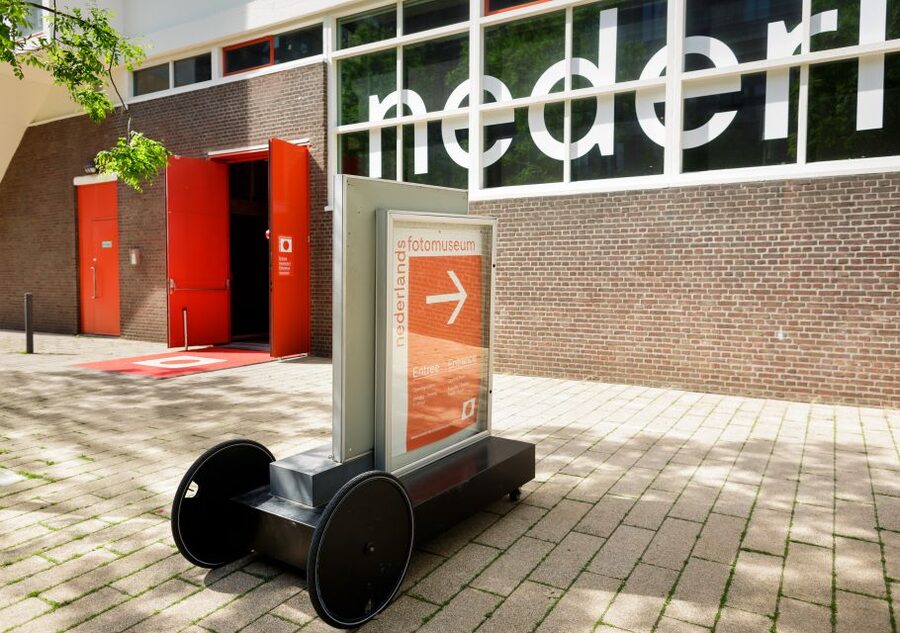
This is a self-guided audio experience. When you arrive, you download the museum app and use it for your walk through the galleries. The museum also uses the app to explain stories behind iconic photographs, which matters because photography can be “obvious” to your eyes but complicated to your understanding.
Here’s how to use it well:
- Start with the sections that sound most relevant to you, but don’t skip the timeline framing. The museum’s approach connects the 1842 starting point to the present day, so skipping the context can make later rooms feel random.
- When the app offers a story about a photo, pause before moving on. Photos are quick to scan but slow to understand.
- If you hit a wall of captions, switch your attention to the audio track. The museum is clearly designed so you can do the heavy interpretation through listening.
Language support is listed as English and Dutch for the app audio and museum materials. Still, you should know that at least one kind of photo series can come with subtitles that are not exclusively English. If you’re depending on English for everything, be ready to lean on the audio portion.
The permanent core: walking through 180 years of Dutch photography
A big reason this museum works is that it tells a long story without making it feel like homework. You move through the evolution of photography in the Netherlands since 1842, and you see how different styles and technologies shaped what photographers chose to show.
You’ll also encounter more than one “mode” of photography. The museum description points to everything from experimental work to contemporary approaches. That variety matters. It helps you understand photography as a tool and a language, not a single aesthetic.
A key part of the experience is what the museum claims to hold behind the scenes. It presents a sense of scale, mentioning over 6 million photographs and 175 archives of Dutch photographers. Even if you cannot see the full collection in one visit, the museum’s layout and messaging push you to think beyond the frame. You start to understand why institutions like this exist, because photography is fragile, and the only way it survives is through documentation and preservation.
More museums and galleries in Rotterdam:
- Amsterdam: Van Gogh Museum Ticket
★ 4.7 · 52,054 reviews - Moco Museum Amsterdam Entrance Tickets with Banksy & More
★ 4.4 · 10,088 reviews - Amsterdam: The Upside Down Museum Entrance Ticket
★ 4.4 · 9,506 reviews - Amsterdam: Red Light Secrets Museum Entry Ticket
★ 4.2 · 5,722 reviews
Gallery of Honour with 99 iconic works: the timeline anchor you should not rush
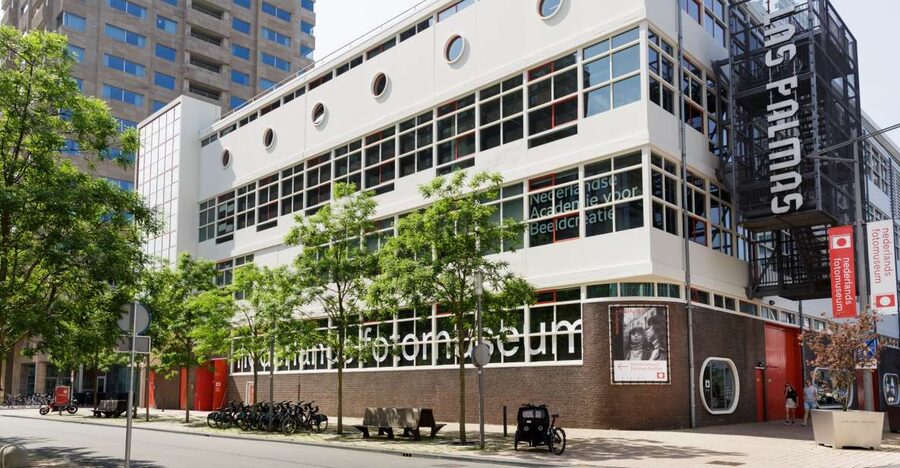
The Gallery of Honour is the museum’s permanent highlight. It shows 99 iconic works by Dutch photographers, and it is positioned as the place where you see the “big steps” in the medium across the country’s history.
This section is especially useful if you are not a hardcore collector who already knows every name in Dutch photography. The gallery is meant to guide your understanding of:
- The invention and early evolution of photography
- The innovations photographers made as technology advanced
- How those changes shaped the kind of images that became possible
You’re also told the gallery includes photography highlights with the “together story” idea, meaning the works are not random. They are meant to connect into a coherent narrative of Dutch photography since 1842.
If you only have a partial day, this is where I’d focus first. If you have the full day, you can treat it as your backbone, then use temporary exhibitions to explore what feels interesting in the moment.
Temporary exhibitions: plan your day around change, not just the permanent gallery
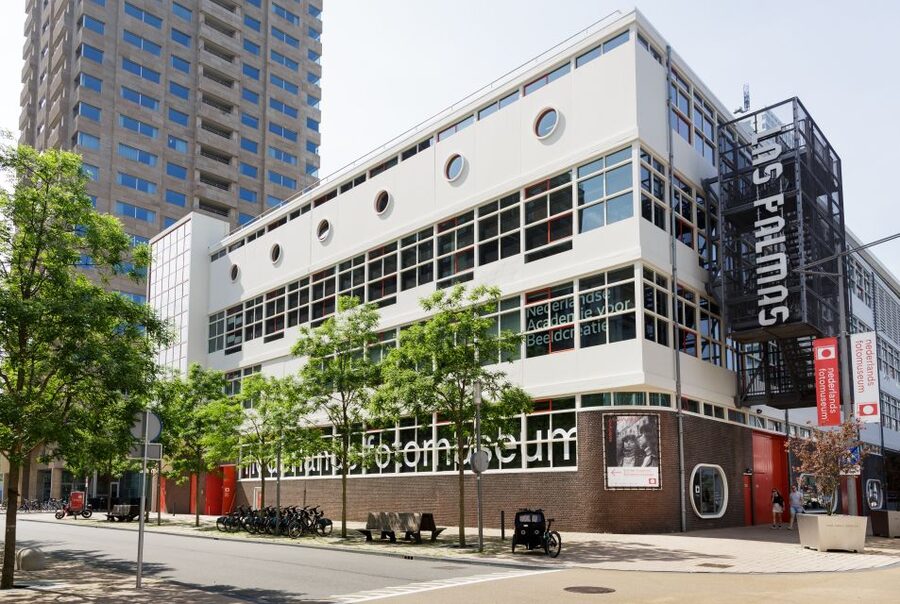
This museum rotates its exhibits often. The schedule includes 5 to 7 changing exhibitions per year, plus 2 consecutive series. That’s a big deal for value. It means one visit can turn into a flexible “find your angle” plan.
The temporary exhibitions are where you’ll often see work by major Dutch photographers such as Ed van der Elsken and Johan van der Keuken. When those names appear, it usually signals a shift from historical highlights into more personal, stylistic, and documentary approaches.
How to choose what to spend time on:
- If you’re interested in specific eras or themes, use the app to guide you toward the temporary sections that match your interests.
- If you like experimentation, don’t treat temporary exhibitions as optional. They’re where you’re more likely to see contemporary debates and modern techniques.
- If you’re mainly here for the “timeline” experience, consider scanning temporary rooms first, then returning later with more focus.
Because the exhibitions change, your biggest question is practical: do you want the museum’s permanent story more, or do you want to catch the current rotating themes? This ticket supports both.
Experimental and contemporary sections: how to think, not just look
One of the museum’s selling points is that it does not keep photography in a single style. You’ll find an experimental section, plus galleries that go all the way to present day.
This kind of programming is valuable because it teaches you a better way to view photographs. Instead of asking only what the image shows, you start asking how it’s made and why. Experimental work also tends to highlight the medium’s boundaries, like how images can be constructed, manipulated, or presented to change how you interpret them.
If you’re worried this might feel too abstract, use the audio app to ground you. Audio interpretation can help translate why a photographer’s choices are meaningful, even when the visual impact alone is confusing.
The app experience and language reality: be ready for Turkish and Dutch subtitles
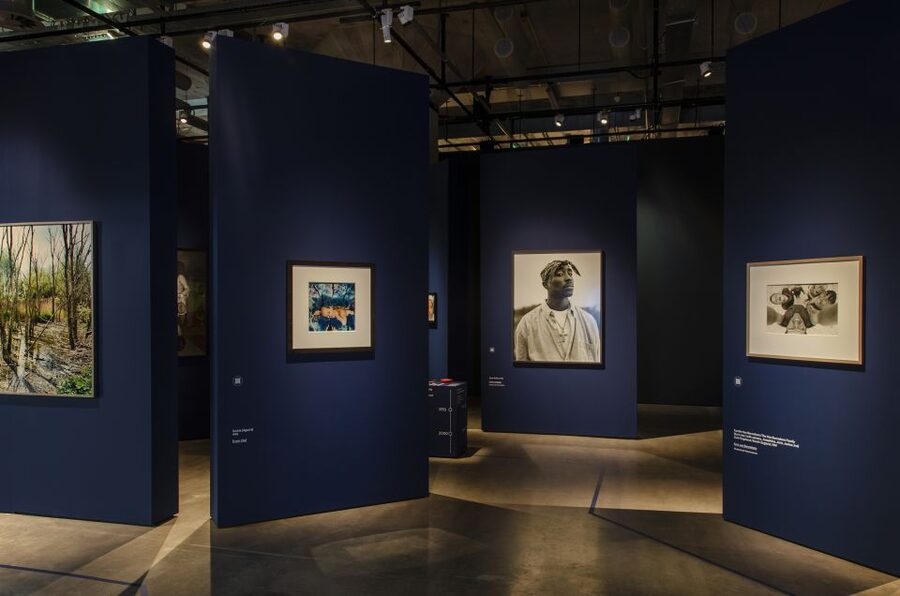
The museum’s app and audio guide are listed for English and Dutch. That should work well for many visitors, especially if you use the audio track as your main guide.
Still, here’s the practical consideration that can matter more than you expect: some galleries and photo series can include captions or subtitles in Turkish or Dutch, not always English. One example involves a main-hall display connected to family photos of Turkish women who moved to Holland, where the written text language was not consistently English.
What that means for you:
- If you read English easily but don’t read Dutch or Turkish, plan to rely more on the audio.
- When you see a cluster of photos with lots of text, spend a moment checking the language shown for explanations.
- If you strongly prefer English captions only, you might want to choose your visit time and content expectations carefully.
This is not a reason to avoid the museum. It’s simply smart to know what kind of experience it can be.
Who this museum fits best, and how long to budget
This museum suits several traveler types:
- Photography lovers who want both the heritage story and the way the medium keeps changing
- History buffs who like how images connect to national identity, archives, and documentation
- Curious modern viewers who want experimental photography alongside more traditional “icon” works
- Self-guided museum fans who like using apps and moving at their own pace
It’s less perfect if you want a quick, mostly visual gallery with minimal interpretation. This museum is interpretation-led. The app is part of the experience, and the story delivery assumes you will spend time listening, reading, and connecting images to context.
For timing, you’re given a 1-day validity window, and starting times depend on availability. So think of it as a full museum block rather than a quick half-hour stop.
Practical tips to make your visit smoother
A good visit here comes down to pacing and expectations. Keep these in mind:
- Bring headphones for the audio app, if your phone setup needs it. The audio tour is central to how the museum explains the collections.
- Start with the Gallery of Honour if you want the clearest “big picture.” It sets the context for everything else.
- Use the app when you see iconic works. The museum explicitly mentions stories behind iconic photos in the app. That is where your time turns into understanding.
- Plan a snack stop. Food and drinks are not included, so decide where you’ll pause before you get hungry.
- Expect rotation. With 5 to 7 changing exhibitions per year, you’re not just repeating the same walk every time. If you can return later in another season, you may actually see different content.
Should you book the Rotterdam National Museum of Photography ticket?
Yes, you should book if you want a self-guided day that blends Dutch photography heritage, major iconic works, and rotating exhibitions, supported by an audio app. The $18 price makes sense because you get more than a viewing pass. You get a designed pathway through a long story that starts in 1842, plus a permanent set of 99 iconic works.
I’d hesitate only if you know you need everything in English text, every time, and you dislike museums where interpretation requires audio or language support. The museum’s focus is on Dutch photography history and archives, so you’re more likely to encounter Dutch language materials, and sometimes subtitles in other languages.
If you like museums that teach you how to read images, this one is a solid bet. It’s not just a place to look. It’s a place to understand why photography matters, then send you walking back into the city with a different eye.
More Photo Sessions in Rotterdam
- Amsterdam: Private Photoshoot for Couple, Family, or Solo
★ 4.9 · 251 reviews - Amsterdam: Foam Photography Museum Admission Ticket
★ 4.2 · 141 reviews - Romantic Photoshoot Experience for Couples in Amsterdam
★ 4.7 · 25 reviews - Amsterdam: Personal Travel & Vacation Photographer
★ 4.8 · 18 reviews
Recently reviewed around Rotterdam
- Rotterdam: City Highlights Guided Bike Tour★ 4.8 · 112 reviews
- Rotterdam: Markthal Tour, Meet & Taste, and Het Witte Huis★ 4.3 · 36 reviews
- Rotterdam Private 2-Hour Food Tour with Tastings★ 4.3 · 12 reviews
- Rotterdam: De Rotterdam, Cube Houses, Watertaxi and Markthal★ 4.7 · 112 reviews
- Rotterdam: Food Tour by Bike★ 4.8 · 31 reviews
- Rotterdam Center: Cocktail Bar Walking Tour – Self Guided★ 2.9 · 9 reviews
- Discover Rotterdam: Classic Highlights Bike Tour by a Local★ 5.0 · 3 reviews
- Rotterdam: City Center Walking Tour★ 4.5 · 88 reviews
Rotterdam Tours, compared.


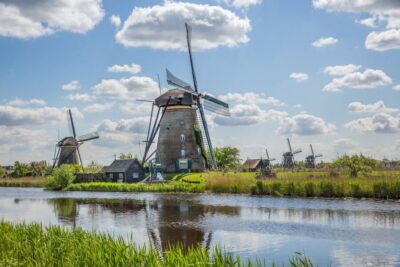
Kinderdijk UNESCO World Heritage Entry Ticket
Read our review →
Browse the lists this tour appears in