
Reviewed · HISTORICAL TOURS
History & culture tour in Amsterdam with a local
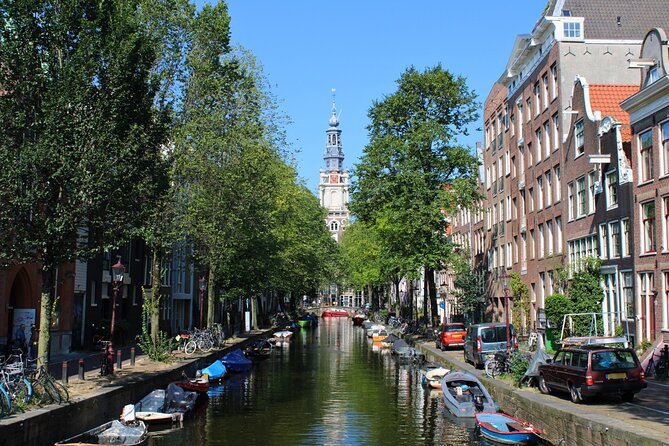
Amsterdam can feel like a maze of canals and narrow streets, so I like tours that give you the story behind the map. This one is interesting because it’s a history and culture walking route with a local guide, designed to help you understand why the city looks the way it does today.
My favorite part is the small group size (up to 15), which makes it easier to ask questions and actually connect with the route. You also get a classic Dutch stroopwafel treat along the way. One possible drawback: it is a short walk, so you will learn a lot, but you will not slow down for long museum-style visits.
Key Takeaways
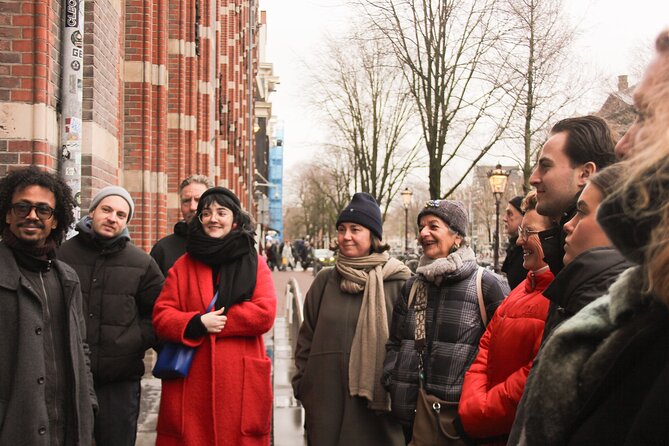
- Small group (max 15) keeps the pace human and the conversation easy.
- Seven stops over about 2 to 2.5 hours gives you a tight story from old village roots to modern hubs.
- Free entry stops mean you pay for guiding and walking, not ticket juggling.
- Stroopwafel included, so your history break comes with a Dutch classic.
- English tour is great if you want the ideas explained clearly and directly.
- Local tailoring is possible, based on guide feedback, so the route can match your interests.
A 2-hour Amsterdam Walking Tour Built for Real Understanding
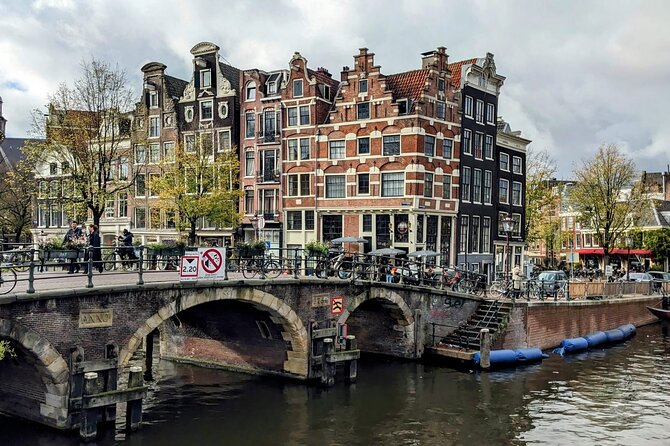
This tour works because it hits the places that shaped Amsterdam, not just postcard corners. You walk through key public squares and historic neighborhoods, and your guide connects the dots between early settlement, trade power, social tolerance, and the city’s identity today.
I like that it stays practical. You are moving on foot between highlights, and you get the context as you go, so the city stops feeling random. It is also a good first-day option since it helps you get your bearings fast without committing your whole day.
The pacing is worth noting. Each stop is around 10 to 15 minutes, which is enough to learn the headline story and point out what to notice, but not enough to become an expert on every building you see.
More history-led tours in Amsterdam:
- Amsterdam Food and Cultural Tour with Tastings
★ 5.0 · 2,442 reviews - Amsterdam: Haunted History and Ghost Walking Tour
★ 4.5 · 488 reviews - Amsterdam High-End Dutch Food & History Tour – Up to 8 guests
★ 5.0 · 482 reviews
Beursplein: From Fishing Village to Global Trading City
You start at Beursplein, a place tied to the rise of Amsterdam’s financial and commercial power. The guide explains the origins of the city and how its name connects to its early development.
Why this stop matters: Amsterdam grew from small beginnings into a major economic player in the 17th century. Once you understand that shift, the rest of the walk makes more sense. You start seeing the city’s structures as tools for trade, governance, and movement, not just pretty canal framing.
Practical tip: keep an eye out for how open the square feels compared with the narrow street network around it. That contrast helps you feel the difference between civic centers and everyday life.
Dam Square and the Royal Palace, Plus WWII Memory
Next comes Dam Square, Amsterdam’s big central moment. Here you get the significance of the Dam Square in the city’s formation, and you also admire the Royal Palace on the Dam.
Your guide also brings in the modern layer: the square’s role during the Second World War. That part can hit harder than the earlier history because you are standing in the same public space where events mattered.
What I like about teaching history in a real location like this is that it prevents the story from becoming textbook-only. You see how government, monarchy, and public life all overlap in one place.
Possible consideration: Dam Square can be busy, especially at peak times. If you prefer quieter moments, try to wear comfortable shoes and stay patient during transitions.
Begijnhof Courtyard: Religion, Tolerance, and Old Wooden Houses
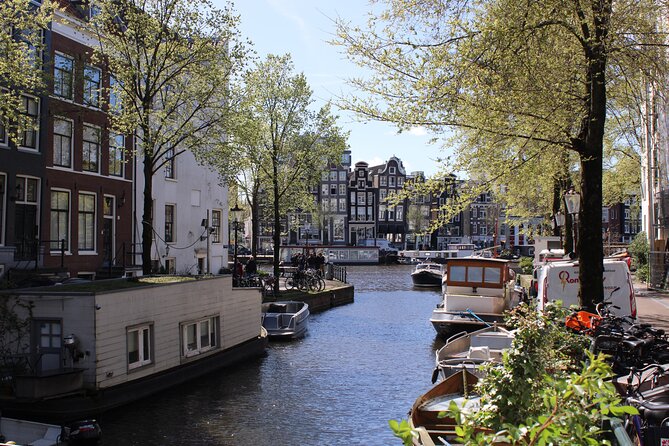
At Begijnhof, you shift from big-city power to something calm and reflective. This courtyard is known for its religious history, and the guide explains what it reveals about Amsterdam’s approach to tolerance.
A standout detail here is the chance to see one of the oldest houses in Amsterdam, including one of the two wooden cottages. Even if you do not know the full story yet, you will feel the age of the place right away.
Why it belongs on this route: Amsterdam often gets reduced to canals and bicycles. Begijnhof adds a different angle, showing that community life and beliefs shaped the city just as much as trade did.
Practical note: courtyards like this can feel cooler and quieter than the streets outside. That makes it a nice mental reset, especially if the afternoon is warm or crowded.
Same city, a different kind of day out:
- Amsterdam Classic Saloon Boat Cruise with Drinks and Cheese
★ 5.0 · 31,825 reviews - Amsterdam Luxury Canal Cruise + Unlimited Drinks & Bites option
★ 5.0 · 30,518 reviews - Amsterdam: Heineken Experience Ticket
★ 4.6 · 30,055 reviews - Amsterdam: Rijksmuseum Entry Ticket
★ 4.7 · 25,535 reviews
The House on Three Canals and the Bicycle Bridge Detail
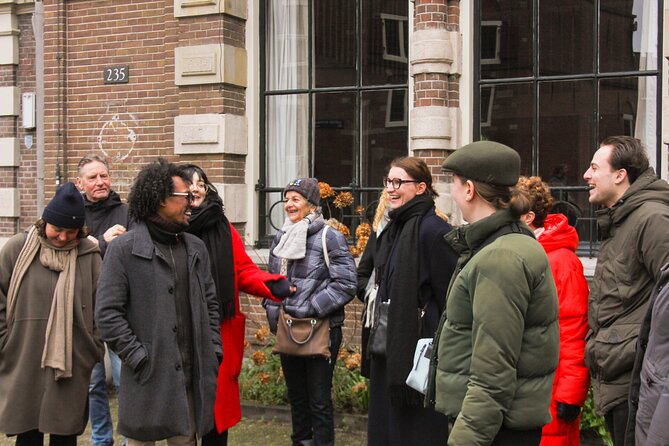
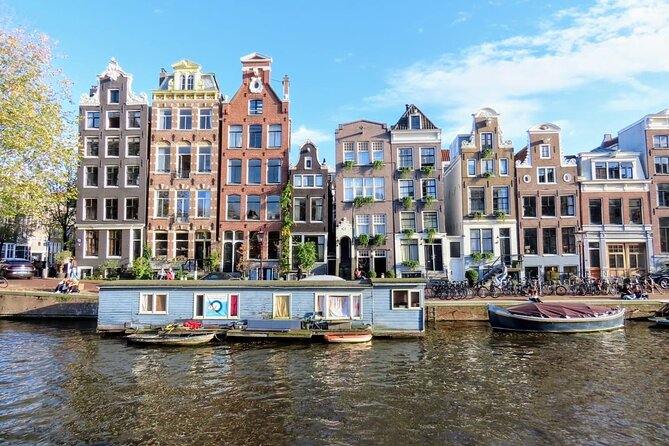
Then you head to House on the Three Canals, a fascinating stop because it forces you to notice how buildings work with Amsterdam’s water grid. You learn about the structure and hear about the idea of a bicycle bridge.
This is the kind of moment that makes Amsterdam feel clever. Instead of treating canals as barriers, the city adapted. You start to understand why biking is not just a lifestyle here, but part of the way neighborhoods connect.
What to watch for: do not just glance at the front. Your guide’s explanation helps you see how the canal layout influences access and design.
Possible consideration: this segment is still short, around 10 minutes. If you love architecture, you may want to continue exploring the nearby canal streets after the tour on your own.
Nieuwmarkt: Waag, Guild Power, and the Dancing Houses
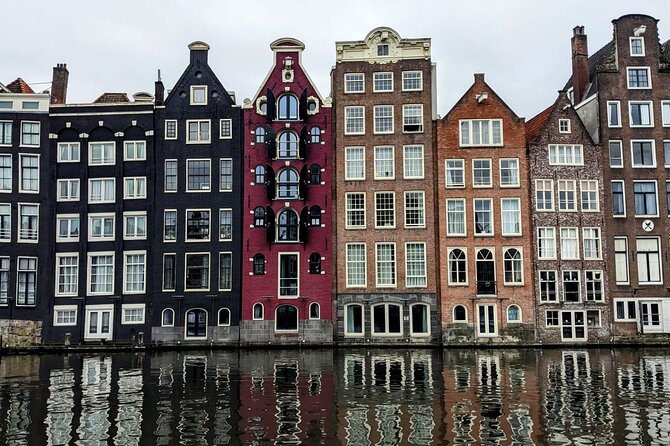
At Nieuwmarkt, you explore Waag, an old city gate that later became a guild hall. The guide connects this to the importance of guilds in Amsterdam, and you also see the area nicknamed the dancing houses.
This stop is a reminder that Amsterdam’s power was not only about bankers and merchants. It also came from organized trades. Guilds shaped jobs, quality, regulation, and who had access to opportunity.
The “dancing houses” bit adds personality. It is not just a list of names, it is a chance to learn how Amsterdam’s buildings can look playful while still carrying history.
Practical tip: since this is an active street area, keep your phone away unless you are ready to pause. The tour moves you along at a steady walking rhythm, and you will want your focus during the explanation.
Zeedijk and Chinatown: A Dangerous Past, a New Reputation
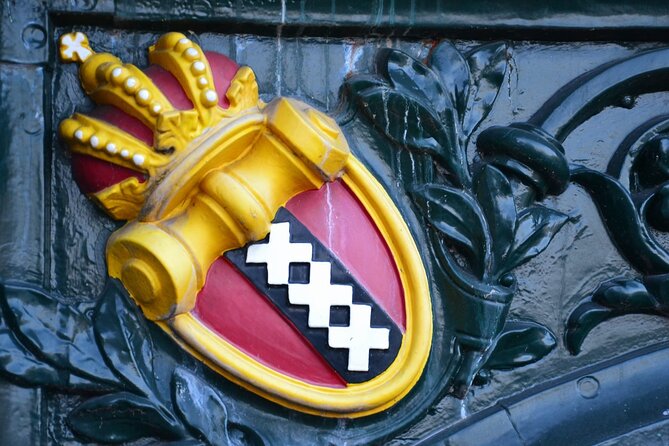
Next is Zeedijk, where the route turns toward Chinatown. The guide shares how this area was once considered the most dangerous place in Amsterdam during the 1970s, and then explains how it later declined and transformed into a favorite spot for many Amsterdammers.
I like this part because it adds realism. Cities do not just improve smoothly. Neighborhoods change because people, policies, and economics change. Seeing that story unfold in the place itself makes the history feel current, not dusty.
Expect a shift in atmosphere as you walk. You go from centuries-old structures to a more modern urban identity, still tied to street life and community.
Possible consideration: if you are there during busier hours, Zeedijk can feel lively and crowded. That is normal for a popular food-and-stroll area, but it can affect how quickly you can hear every detail. Pace yourself, and listen during the guide’s main points.
Centraal Station: Architecture, Transport Power, and Symbolic Connections
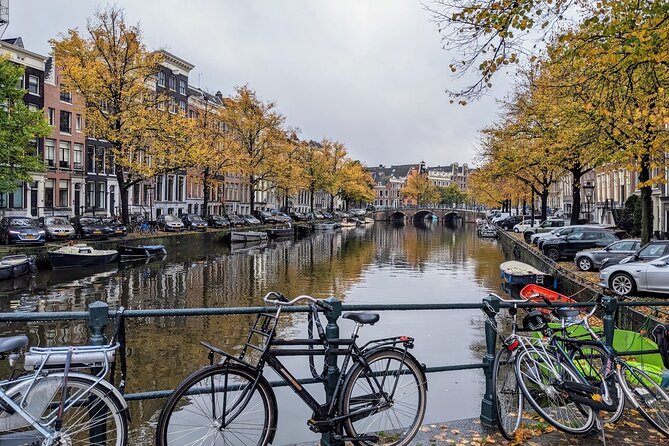
You end at Centraal Station, one of Amsterdam’s most recognizable buildings. Your guide highlights why the station is so stunning and also explains its role as a transportation hub for centuries.
There is also a symbolic layer. Your guide connects the station to the idea of connection and prosperity, which fits Amsterdam’s larger theme of being a meeting point for trade and travel.
Why I think this ending works: finishing at a transit landmark gives the tour a satisfying “now where” feeling. You learn how Amsterdam moved people and goods, then you arrive at a place that still does it every day.
Quick practical note: the station area can be huge. Stay close to the group at the start of this stop so you do not get pulled away by crowds or side streets.
The Stroopwafel Break That Makes History Feel Human
One of the highlights built into the experience is a classic Dutch stroopwafel treat along the way. It is not just a snack. It’s a small reset that helps you absorb the story at a relaxed pace.
In a well-run walking tour, food moments do two jobs: they give your feet a short break, and they remind you that culture is also everyday life. A stroopwafel is perfect for this because it connects to a real Dutch habit you can carry into your own exploring later.
If you have dietary needs, you might want to ask in advance. The tour data confirms the stroopwafel treat, but it does not list alternatives.
Who This Tour Suits Best (And Who Might Want Something Else)
This tour is a strong fit if you:
- want a first-day overview of Amsterdam’s history and culture
- like walking with a guide who explains connections between places
- enjoy architecture and city planning details without committing to museum time
- appreciate a small group format where you can ask questions
It is also a great choice for history lovers, since the route is built around city formation, commerce, social life, and major public spaces.
You might want a longer or more specialized tour if:
- you want deep interior visits, not just quick stops and street-level viewing
- you prefer slow pacing with time to linger in one neighborhood
- you are planning major museum days and need something very short
Guides You Can Expect to Personalize the Day
The tour is led by a local guide, and the experience is designed for a small-group feel. In guide feedback, I’ve seen that customization can happen, including tours led by guides such as Manouk and Malik, who tailored routes to match what guests wanted to focus on.
That matters because Amsterdam has many stories competing for attention. A good guide helps you choose what to notice, so you leave with a clearer picture instead of a blur of cool buildings.
Price and Value for a 2-hour Small-Group Route
At $30.07 per person for about 2 hours (often listed up to 2.5 hours), this tour is priced for people who want structure without big-ticket commitments. Since the stops involve free admission, you are paying mainly for the guide’s time and for having someone translate the city’s logic as you walk.
Two more value points stand out:
1) Maximum 15 travelers keeps it from feeling like a lecture hall.
2) Stroopwafel included adds a tangible cultural touch, not just “thanks for attending.”
One more practical note: the tour is commonly booked about 79 days in advance, which suggests it can be popular. If you’re traveling during peak season or have a narrow schedule, booking early helps.
Should You Book This Amsterdam History Tour?
Yes, I think you should book it if you want a smart, low-stress introduction to Amsterdam that connects major places into one story. The route balances civic landmarks (like Dam Square), calmer social history (Begijnhof), and modern neighborhood identity (Zeedijk). You also get a short but memorable cultural break with a stroopwafel.
Skip it or pair it with something longer if you want lots of indoor time or deep dives into a single topic. This tour is built for orientation and context, not for mastering every detail in one go.
If you want to walk away with your own mental map of Amsterdam, this is the kind of half-day-style experience that makes the rest of your trip easier.
FAQ
How long is the Amsterdam history and culture walking tour?
It runs about 2 hours, with a typical range listed as 2 to 2.5 hours.
Where does the tour start?
The meeting point is Beursplein, 1012 JW Amsterdam, Netherlands.
Does the tour end at the same place it starts?
Yes. The activity ends back at the meeting point.
Is the tour offered in English?
Yes, it is offered in English.
How large is the group?
The tour has a maximum of 15 travelers.
Is there a food or tasting stop?
Yes. You get to enjoy a classic Dutch stroopwafel during the tour.
Are any of the stops included with admission fees?
The stops listed have admission marked as free.
Do I need a printed ticket?
No. You receive a mobile ticket.
Can I cancel for a full refund?
Yes. You can cancel up to 24 hours in advance for a full refund.
Are service animals allowed?
Yes. Service animals are allowed, and the tour is near public transportation with most travelers able to participate.
Recently reviewed around Amsterdam
- Amsterdam Highlights Canal Cruise with a Drink★ 5.0 · 66 reviews
- Private walking tour Amsterdam. English or Spanish.★ 5.0 · 21 reviews
- Guided Private Bar Tour in Amsterdam City Center★ 5.0 · 4 reviews
- Amsterdam Private Boat Trip With Skipper, Burger and Beers★ 5.0 · 5 reviews
- Private Arrival Transfer: Schiphol Airport Amsterdam★ 3.5 · 30 reviews
- Arrival Private Transfer Amsterdam Airport to Amsterdam City Center by Minibus★ 4.5 · 7 reviews
- 2-Hour Private Anne Frank Walking Tour with Drink★ 5.0 · 3 reviews
- Private Amsterdam WW2 walking tour★ 4.5 · 15 reviews
Historical Tours, compared.

Amsterdam Food and Cultural Tour with Tastings
Read our review →
Kinderdijk UNESCO World Heritage Entry Ticket
Read our review →
Hop-on Hop-off Old-Fashioned Heritage Tram Tour
Read our review →


Amsterdam High-End Dutch Food & History Tour – Up to 8 guests
Read our review →
Cruise through the Historic City Center with Guide
Read our review →
Browse the lists this tour appears in