
Reviewed · HISTORICAL TOURS
Financial History Tour
Amsterdam’s financial story is not some dry textbook chapter. It’s written into brickwork, bank basements, and even the way people talked about risk and profit. This Financial History Tour turns that story into a walk you can actually follow in about 2.5 hours, with a private group vibe so you can ask questions as you go.
I really like two things about it. First, you start at Beurs van Berlage, the exchange building that signals how central money was to the city’s identity. Second, you get inside the Stadsarchief Amsterdam area, where the archives sit in a former bank space, and you end up with the bigger picture of how bubbles formed, including the Dutch tulip mania story.
One consideration: this is a walking tour through the Dam area, with a moderate fitness level expected. If you need long breaks or step-free routes, it’s worth thinking about that before you book.
Key Things To Know Before You Go
- A money-focused route built around the Dam area: you begin near Beursplein and finish across the Dam near Rokin
- Indoor time with archives access: Stadsarchief Amsterdam is part of the experience, not just a photo stop
- Tulip mania and bubble thinking: you’ll connect Amsterdam trading culture to how economic bubbles formed
- Private, flexible pacing for up to 10: you only share the tour with your group
- A guide people rave about: Tijs de Boer is specifically praised for insights and local hints
- Value in short duration: in about 2.5 hours, you cover major themes without feeling rushed
Following Amsterdam’s Money Trail in 2.5 Hours
Amsterdam can feel like a maze if you try to see everything at once. This tour is the opposite. It gives you a clear storyline about money, and you get to watch that story unfold in real places.
The format also makes a difference. It’s a private tour for up to 10 people, so you’re not stuck in a shuffle line. And it runs about 2 hours 30 minutes, which is long enough to learn without turning the day into a slog.
You’ll also have a practical tool in your pocket: it uses a mobile ticket. So you’re not hunting for paper tickets while you’re standing outside a historic building, trying to remember where to meet.
More history-led tours in Amsterdam:
- Amsterdam Food and Cultural Tour with Tastings
★ 5.0 · 2,442 reviews - Amsterdam: Haunted History and Ghost Walking Tour
★ 4.5 · 488 reviews - Amsterdam High-End Dutch Food & History Tour – Up to 8 guests
★ 5.0 · 482 reviews
Beurs van Berlage, Where the City’s Trading Heart Shows
You start at Bistro Berlage, Beursplein 1, right in the heart of the exchange-building cluster. That’s a smart beginning, because Beurs van Berlage isn’t just pretty architecture. It’s a symbol of the city’s trading mindset, built right around the Dam area.
In tours like this, the first stop matters because it sets the vocabulary. Here, you’re learning that Amsterdam’s economy was not an afterthought. It shaped culture and heritage, and it shaped the city’s physical layout too, with buildings created to support the exchange of goods, money, and information.
The stop itself is short, about 10 minutes, and the admission is listed as free. Translation: you spend your time learning rather than waiting. And even if you only catch a quick view, you’ll have a solid anchor for what comes next, especially once the discussion shifts toward banks and archives.
Photo tip: Beursplein is open and photogenic, and this is one of those spots where you can get your bearings fast before you move through narrower streets and look for smaller details.
Stadsarchief Amsterdam, Archives in a Bank Basement Mindset
Next you head to Stadsarchief Amsterdam. This is where the tour starts to feel more like a detective story. Instead of only looking at grand exteriors, you learn in a more grounded, hands-on way.
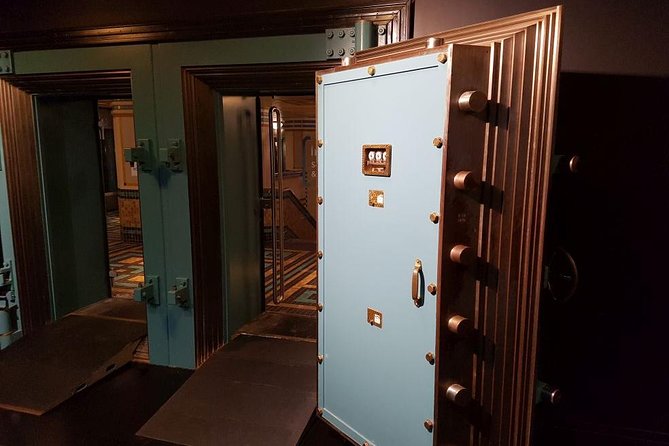
The key detail here is the setting. The archives are described as being revealed in the basement of a 1920s bank building. That’s a meaningful connection. A bank basement implies storage, record keeping, and the quiet infrastructure behind big financial actions. So when you hear about merchants, wealth, and economic change, you’re not just reading about it. You’re standing in the kind of place where information and assets would have been protected and organized.
The visit time is also about 10 minutes, with admission included. That combination is practical: included entry means you’re not budgeting extra costs on the fly, and short indoor time keeps the schedule smooth.
What I like most about this stop is the theme shift. You move from a building linked to exchange toward a space linked to archives. It’s a reminder that finance leaves paperwork, and that paperwork becomes heritage.
The Rich Merchants Theme, How Wealth Was Made and Stored
From Stadsarchief, the tour pushes you to ask a sharper question: who were the people behind all this money, and how did they make it?
Amsterdam has always been known for trade, but this tour frames it through the lens of merchants and wealth creation. You’ll get a sense that the city’s prosperity was tied to networks, timing, and the ability to manage risk. The story is not only about luck. It’s about systems.
This is also where the tour’s “hidden gem” style comes through. Even when you’re walking in the Dam area, the guide approach is about helping you notice smaller things: how streets and buildings reflect economic priorities, and how Amsterdam’s past is embedded in ordinary-looking surroundings.
If you like history but hate when it feels like dates only, this is a good match. You’re learning motives and mechanics, not just timelines.
Same city, a different kind of day out:
- Amsterdam Classic Saloon Boat Cruise with Drinks and Cheese
★ 5.0 · 31,825 reviews - Amsterdam Luxury Canal Cruise + Unlimited Drinks & Bites option
★ 5.0 · 30,518 reviews - Amsterdam: Heineken Experience Ticket
★ 4.6 · 30,055 reviews - Amsterdam: Rijksmuseum Entry Ticket
★ 4.7 · 25,535 reviews
Tulip Mania and the Floating Flower Market, Bubble Logic You Can Remember
Every financial history tour runs into the same test. Can it explain bubbles in a way that makes sense today? This one tackles that directly.
You’ll learn about the first economic bubble being created, tied to Dutch Tulip Mania. The story is connected to the Amsterdam floating flower market, which is an idea that sticks in your head because it’s so visual. It’s not just a chart. It’s a scene.
Why this matters for you: bubbles aren’t only about money. They’re also about belief. People start buying at higher prices because they think the price will keep rising. Then the buying accelerates, and suddenly the logic becomes emotional and social, not practical.
That’s the value of this stop in a short tour. You leave with a mental framework for how bubbles form. And since Amsterdam’s trading culture is the backdrop, the tulip story doesn’t feel random. It feels like a consequence of the city’s way of handling commerce.
Photo time: you may get opportunities at iconic locations while moving between stops. If you like street photography, bring your camera ready, because the tour is clearly aiming to give you chances to frame the city as you learn it.
Hidden Gems, Iconic Views, and Why the Route Feels Thoughtful
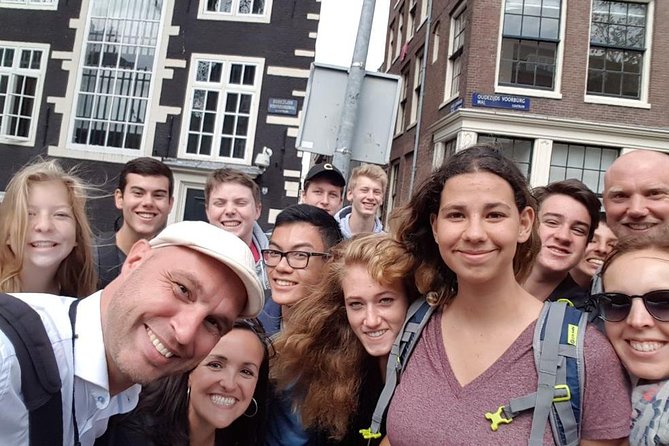
The itinerary is only two main stops, but the walk between them is part of the experience. The tour highlights “hidden gems” as you travel through the city, and it also points you toward iconic locations for photos.
That blend is what makes the route feel balanced. You get big anchors, like the Dam area’s prominence, and you also get moments that feel more personal, like you’re seeing the city through a local’s eyes rather than only through a postcard lens.
Also, you’re moving with context. You’re not just sightseeing. You’re connecting what you see to money history: exchange, banking, archives, merchants, and bubbles. That turns ordinary walking into something that feels purposeful, even if you’re only in Amsterdam for a few days.
Timing helps too. With an overall duration of around 2 hours 30 minutes, you’re not trapped indoors for half the trip, and you’re not forced to keep walking nonstop either. It’s a good “layering” activity if your schedule includes museums or canal cruises afterward.
Price and Value: What $390.50 Per Group Really Means
The price is $390.50 per group, up to 10 people. That pricing can feel confusing at first because it’s not a per-person ticket.
Here’s how I’d think about value. If you’re traveling solo, the cost per person can be high. But if you’re a small group, families, or a few friends who want a private guide, it often becomes fair quickly.
This tour also gives you entry where it counts. The first stop lists free admission, and the second stop includes admission. So you’re not paying extra at the door for core parts of the experience. For a 2.5-hour guided walk, that’s a practical way to avoid surprise costs.
One more value point: it’s booked about 28 days in advance on average, which suggests it’s popular. If you want a specific slot, you’ll likely do better planning ahead rather than trying to walk in last minute.
Language, Ticket Style, and Getting There Without Stress
The tour is offered in English, and it’s issued with a mobile ticket. For a city like Amsterdam, that combination matters. You don’t waste time sorting confirmations, and you can focus on meeting your guide and starting.
Both the start and end points are very central. You begin at Bistro Berlage, Beursplein 1, and you end at Rokin 24HS, across the Dam. The route ends about 500 meters from where you started, so it’s not a long trek across town.
It’s also described as near public transportation, which is what you want in a city with lots of walking options and lots of routes. You can pair this with almost anything else nearby.
The tour expects moderate physical fitness. That probably means normal city walking, some stairs or uneven spots might be involved, and you should be comfortable moving for the full duration. If you’re unsure, it’s best to think honestly about your stamina before booking.
The Guide Factor: Tijs de Boer and the Benefit of Real Insights
The reviews highlight one guide by name: Tijs de Boer. What stands out in the praise is not just that he’s friendly, but that he brings insights and local hints on anything and everything connected to the story.
That matters because financial history can go one of two ways. It can become abstract and hard to follow, or it can become clear and connected to daily life. The guide approach here sounds like it aims for clarity, while also adding the kind of local perspective that helps you understand why the city grew the way it did.
If you like asking questions, you’re likely to enjoy this format. A private tour usually makes it easier to get answers instead of waiting your turn.
Who This Tour Suits Best
This tour is a strong fit if you:
- like history but want it tied to real-world systems and people
- enjoy stories about money, markets, and bubbles
- want a guided walk that still leaves time to explore on your own afterward
- travel in a small group and want private attention
It’s also ideal if you’re curious about how Amsterdam’s culture and heritage were shaped by finance, not only by art or canals. The focus gives you a different lens on the city, one you might not get from a general walking tour.
If you only want a long list of famous landmarks, you might find the structure too focused. But if you want a storyline that makes the city click, it’s a good match.
A Few Practical Tips Before You Book
- Wear comfortable shoes. It’s a city walk with indoor time, and the overall pacing matters.
- Bring your camera. There are photo opportunities at iconic places as you move around.
- Plan around the Dam area. Since you start near Beursplein and end at Rokin, you can easily build the rest of your day nearby.
- If your dates are flexible, book earlier. It’s commonly reserved about a month in advance.
And if you’re someone who likes learning but hates lectures, the short stops help. You’re not stuck listening for two hours straight.
Should You Book the Financial History Tour?
Yes, if you want a guided Amsterdam experience that connects buildings, archives, merchants, and bubble logic into one clear storyline. I think the best reason to book is the structure: it’s short enough to fit easily, and it uses real places so the lessons feel grounded.
I’d skip it only if you’re mainly after long duration sightseeing, or if you struggle with moderate walking and want something more sedentary.
If you’re traveling as a small group and can share the group price, it becomes even more attractive. For $390.50 per group, you’re paying for a focused guide, included entry where it counts, and a money-history theme that helps you see Amsterdam in a new way.
FAQ
How long is the Financial History Tour in Amsterdam?
It lasts about 2 hours 30 minutes.
What is the tour price?
The price is $390.50 per group, up to 10 people.
Is this tour private?
Yes. It is a private tour/activity, and only your group will participate.
Where does the tour start and end?
It starts at Bistro Berlage, Beursplein 1, 1012 JW Amsterdam, Netherlands, and ends at Rokin 24HS, 1012 KS Amsterdam, Netherlands.
Is the tour available in English?
Yes. The tour is offered in English.
What ticket format do I receive?
You receive a mobile ticket.
What admission is included for the stops?
Admission is free at Beurs van Berlage, and admission is included at Stadsarchief Amsterdam.
Do I need moderate physical fitness?
Yes. Travelers should have a moderate physical fitness level.
What is the cancellation policy?
You can cancel for a full refund up to 24 hours in advance. If you cancel less than 24 hours before the start time, the amount paid is not refunded.
Recently reviewed around Amsterdam
- Private walking tour Amsterdam. English or Spanish.★ 5.0 · 21 reviews
- Amsterdam Highlights Canal Cruise with a Drink★ 5.0 · 66 reviews
- Guided Private Bar Tour in Amsterdam City Center★ 5.0 · 4 reviews
- Amsterdam Private Boat Trip With Skipper, Burger and Beers★ 5.0 · 5 reviews
- Arrival Private Transfer Amsterdam Airport to Amsterdam City Center by Minibus★ 4.5 · 7 reviews
- Private Arrival Transfer: Schiphol Airport Amsterdam★ 3.5 · 30 reviews
- 2-Hour Private Anne Frank Walking Tour with Drink★ 5.0 · 3 reviews
- Private Amsterdam WW2 walking tour★ 4.5 · 15 reviews
Historical Tours, compared.

Amsterdam Food and Cultural Tour with Tastings
Read our review →
Kinderdijk UNESCO World Heritage Entry Ticket
Read our review →
Hop-on Hop-off Old-Fashioned Heritage Tram Tour
Read our review →


Amsterdam High-End Dutch Food & History Tour – Up to 8 guests
Read our review →
Cruise through the Historic City Center with Guide
Read our review →
Browse the lists this tour appears in