
Reviewed · HISTORICAL TOURS
LGBTQI+ History Tour of Amsterdam
Amsterdam is great for canals and bikes, but this LGBTQI+ history walk turns that postcard view into something more personal. I like that the tour starts with the Gay Monument and moves through the city with a guide who lived through early activism, not just in textbooks. I also love the small group size, because it makes it easier to ask real questions as you walk.
The main thing to think about is that you cover the center on foot in about 2 hours, so you will want good walking shoes. Also, the route includes a stop through the red light district area, so it is not a quiet, gentle stroll for everyone.
If you want Amsterdam’s LGBTQI+ story told through streets, buildings, and lived experience, this is one of the most direct ways to do it. The tour is in English, it uses a mobile ticket, and it welcomes straight allies as well.
Key highlights you will actually feel on the walk
• A guide with lived memory of Amsterdam activism, including the beginning of the gay movement
• Max 15 people, so you get attention and room to ask questions
• Gay Monument start, created as a statement for gay victims, past, present, and future, and tied to the Netherlands being first
• Canal-side context toward Dam Square, with explanations of 17th century houses and early city planning
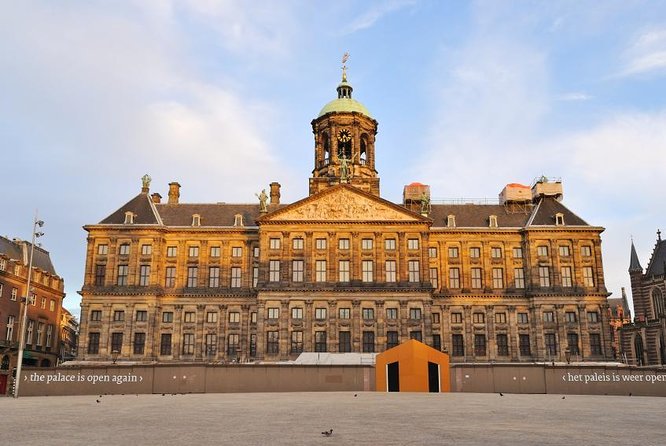
• Dam Square plus the Royal Palace area, where you get context without rushing through a palace visit
• China town and Bet van Beeren, including wartime detail and a strong community anchor to finish the tour
Why this LGBTQI+ walking tour makes Amsterdam feel different fast
Amsterdam can be a lot of fun on autopilot: canal cruise, museums, photos, repeat. This tour slows the pace down just enough to change how you read the city. You are still outside, still walking, but the story is about identity, laws, risk, and the everyday geography of who could exist where.
The value for me is that it is not only about landmarks. It is about cause and effect. You start at a monument that frames the cost of discrimination, then you move toward Dam Square, where political power and public life overlap with LGBTQI+ milestones. After that, you get into the parts of central Amsterdam where nightlife, community, and survival history have been tangled together for decades.
I also like the tone. Henk’s approach, from what I have seen in how he teaches on tours, mixes history with personal perspective and even humor. That matters because some parts of LGBTQI+ history are heavy. A guide who can hold the sadness and still keep the group moving makes the whole experience easier to absorb.
Price-wise, it sits at $42.33 per person for about 2 hours. Given that admission tickets are included at more than one stop, and the group stays small, it is priced like a real guided experience rather than a quick sight-tagging walk.
More history-led tours in Amsterdam:
- Amsterdam Food and Cultural Tour with Tastings
★ 5.0 · 2,442 reviews - Amsterdam: Haunted History and Ghost Walking Tour
★ 4.5 · 488 reviews - Amsterdam High-End Dutch Food & History Tour – Up to 8 guests
★ 5.0 · 482 reviews
Before you go: what to know so the 2-hour pace feels good
This is a walking tour in English, and it runs from 11:00 am. The start point is Westermarkt 2L, 1016 DW Amsterdam. The tour ends at Café ’t Mandje, Zeedijk 63, 1012 AS Amsterdam, and that finish is within walking distance of Central Station.
You will want to plan for real walking. The tour does not list a lot of long breaks, so bring walking shoes and your own water. A lot of the route is about seeing things from street level, plus short stops to absorb stories, which is why the guide keeps it moving.
Good weather helps. The experience is marked as requiring good weather, and if it gets canceled due to weather, you should expect a different date or a full refund. This is one of those tours where you do not want to spend it hunched under an umbrella, so if rain looks likely, pack something rainproof.
The group size matters too. It caps at 15 travelers, which is genuinely useful in a city like Amsterdam where attention can get scattered. In a small group, Henk can answer your questions on the spot, not after everyone has already walked ahead.
Finally, it is friendly to straight allies. If your friends are curious but nervous about being in a space that might feel exclusive, you can relax. This tour is built for learning, with a tone that invites participation.
Stop 1 at the Gay Monument: the beginning of the story, and why it matters
You kick off at the Gay Monument, and this is not a decorative warm-up. The whole point is remembrance and context for gay victims, spanning past, present, and future. Henk explains how the Netherlands reached the milestone of having the first monument of its kind in the world.
This first stop sets the emotional tone for everything that follows. It also helps you understand why the rest of the tour is not only about nightlife streets or famous addresses. The guide frames each later location as part of a bigger arc, where recognition and rights did not arrive out of thin air.
You get about 30 minutes here, and admission is included. That is a good amount of time because monuments like this are easier to take in slowly. If you rush, you miss details the guide points out, like the way the monument’s message connects to activism and memory.
Practical tip: this is a strong first stop, so arrive on time. If you show up late, you cut into the most important part of the tour’s context.
Canal walk toward Dam Square: 17th century houses and city planning you can spot
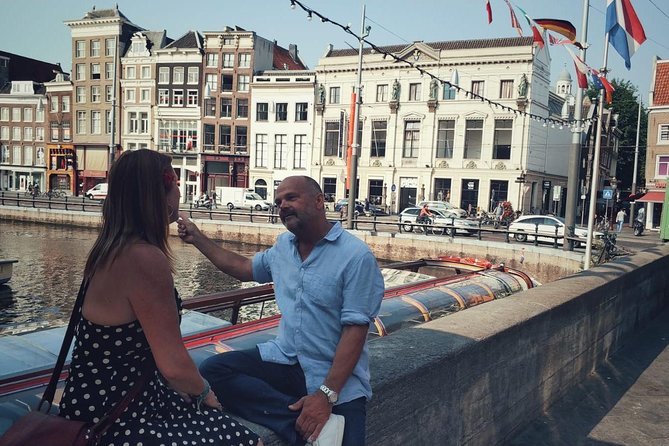
After the monument, you walk along the canals toward Dam Square. This segment is about reading Amsterdam’s physical design. Henk points out 17th century houses and connects them to how the city got laid out and planned in early modern times.
What I like about this portion is that it does not feel like a random sightseeing route. You are learning how urban form affects public life. You see why certain streets became central meeting points, why people could gather, and how public visibility can be both a privilege and a risk.
The canal-side walking also helps pace the tour. You are not stuck standing still, which keeps energy up for the more pointed discussions that come later.
If you enjoy architectural or urban planning context, this is your stretch. Even if you do not, it helps because it gives you a map in your head for the rest of the day. You start to recognize how Dam Square fits into the structure of the city.
Same city, a different kind of day out:
- Amsterdam Classic Saloon Boat Cruise with Drinks and Cheese
★ 5.0 · 31,825 reviews - Amsterdam Luxury Canal Cruise + Unlimited Drinks & Bites option
★ 5.0 · 30,518 reviews - Amsterdam: Heineken Experience Ticket
★ 4.6 · 30,055 reviews - Amsterdam: Rijksmuseum Entry Ticket
★ 4.7 · 25,535 reviews
Royal Palace area and Dam Square: where public power meets public life
Once you reach Dam Square, the tour shifts to big civic space. You see and hear the origin of the Royal Palace and how it connects to gay life in the 17th century. You do not have time to go inside the palace, but the guide makes the connection clear from the outside.
This is one of those moments where you get context without paying extra time or money. If you care about the palace beyond what the tour can cover, you can always plan a separate visit later, since the tour itself does not include palace entry.
Dam Square itself gets about 10 minutes, with a focus on its long history and what happens there, including everything LGBTQ-related. The square is central enough that it becomes a stage. That means stories about rights, visibility, and community events often tie back to the same public space.
I like that Henk does not treat Dam Square like a photo backdrop. He treats it like a civic crossroads, where the city’s politics and people’s lives overlap.
Through the red light district: leather street details and respectful Q&A
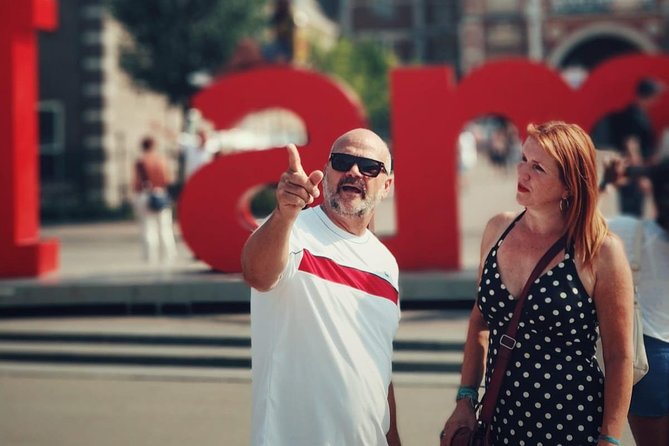
From Dam Square, you continue walking through the red light district area. This part of the route includes references to the leather street of Amsterdam, and if you want more details, Henk is the kind of guide who will answer questions as you go.
This section is practical to know about before you join. It is not a theme park segment. It is Amsterdam’s real street life, and it can feel intense depending on your comfort level. If you are sensitive to adult-themed street scenes, you should take that into account.
At the same time, this is exactly why the tour is valuable. You learn how community and identity show up in spaces that the city also controls and polices. It adds texture to the story you started with at the Gay Monument.
Also, because the group is small, you can step away slightly if you need a breather, without getting lost. In a bigger crowd, that would be harder.
China town and Bet van Beeren: the nightlife anchor with WWII context
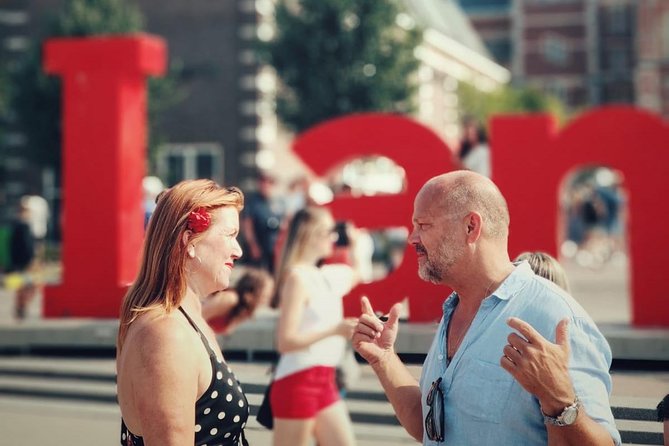
The tour continues toward China town, a street area that was once described as the roughest street in Amsterdam. Henk connects that history to LGBTQI+ life and points out that this area includes the oldest gay bar in Amsterdam.
You also get a specific wartime detail during this stretch. The tour explains why German soldiers in World War II were not allowed in this part of the city. That kind of fact hits differently because it ties larger history to local rules and community spaces.
You end at the bar of Bet van Beeren. Finishing at a real place matters. It gives you a natural ending point where the story can feel grounded in the present, not only in the past. Even if you do not sit for long, the location choice helps the last segment land.
What makes Henk’s guiding style so effective on this route
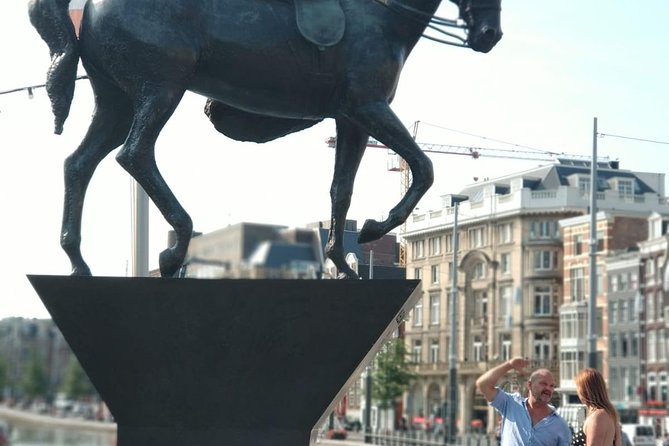
Henk is more than a narrator of dates. He blends historical facts with personal anecdotes, plus humor and even bits of Dutch poetry. That may sound like a small detail, but it changes how you remember the tour.
Heavy topics like persecution and AIDS losses can otherwise turn into a lecture. In this tour, the tone stays human. You are guided through difficult points without the feeling of being rushed past them.
The small group setup supports that. When you have fewer people, you are more likely to get direct answers and a couple of personal follow-ups. Some guides toss out one-liners and move on. Henk tends to respond, explain, and then tie it back to the city around you.
I also appreciate that this tour sets you up for the rest of your Amsterdam days. After learning how LGBTQI+ life shaped public spaces, you start to notice context on your own. You might look at a street or a building and understand why it mattered to people, not just why it looked photogenic.
Price and time: is $42.33 per person a smart use of your Amsterdam budget?
At $42.33 per person for about 2 hours, this tour is not the cheapest activity on offer. But it compares well when you look at what you get.
First, you get a small group cap of 15, which usually means more attention and more Q&A time. Second, you get admission tickets included at key stops. The Gay Monument includes admission (about 30 minutes). Dam Square also includes admission for its segment (about 10 minutes). The Royal Palace is not visited, so there is no palace entry cost built into the price.
So you are paying for a guide with time and expertise, plus some ticketed stops that would otherwise add up. And you do not spend the extra money that comes with long museum days.
If you are choosing between a generic canal walk and a guided LGBTQI+ history experience, I would pick this. It is a more direct route to meaning. You leave with a clearer idea of how Amsterdam became a place associated with LGBTQI+ rights, and how that story includes both triumph and cost.
Who this tour suits best, and who should consider another option
This tour is a great match if you:
• Want LGBTQI+ history that connects directly to what you see on the street
• Like small-group walking tours where you can ask questions
• Enjoy a mix of facts and personal story, not only a timeline
• Are comfortable walking through central Amsterdam for about two hours
Consider skipping or picking a different tour if you:
• Prefer only quiet, low-intensity streets
• Have trouble with standing and walking in a compact city center route
• Want a museum-style experience with longer indoor time, because this one stays out on the streets
Should you book this LGBTQI+ History Tour in Amsterdam?
I think you should book it if you want a smart, humane introduction to Amsterdam through LGBTQI+ landmarks and the people who shaped them. Starting at the Gay Monument gives you the emotional frame. The canal walk and Dam Square stops give you the civic frame. The red light district and China town segments add the street-level reality, and the ending at Bet van Beeren helps you finish with a place that still matters.
Book it early enough to fit your schedule, especially if you are traveling in a busier season. And pack for the weather, since the tour depends on having decent conditions to walk.
If you like your tours with heart, context, and real conversation, this one is an easy yes.
Recently reviewed around Amsterdam
- Amsterdam Highlights Canal Cruise with a Drink★ 5.0 · 66 reviews
- Private walking tour Amsterdam. English or Spanish.★ 5.0 · 21 reviews
- Guided Private Bar Tour in Amsterdam City Center★ 5.0 · 4 reviews
- Amsterdam Private Boat Trip With Skipper, Burger and Beers★ 5.0 · 5 reviews
- Arrival Private Transfer Amsterdam Airport to Amsterdam City Center by Minibus★ 4.5 · 7 reviews
- Private Arrival Transfer: Schiphol Airport Amsterdam★ 3.5 · 30 reviews
- 2-Hour Private Anne Frank Walking Tour with Drink★ 5.0 · 3 reviews
- Private Amsterdam WW2 walking tour★ 4.5 · 15 reviews
Historical Tours, compared.

Amsterdam Food and Cultural Tour with Tastings
Read our review →
Kinderdijk UNESCO World Heritage Entry Ticket
Read our review →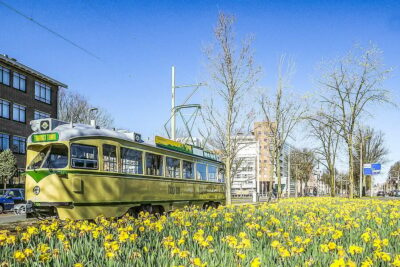
Hop-on Hop-off Old-Fashioned Heritage Tram Tour
Read our review →


Amsterdam High-End Dutch Food & History Tour – Up to 8 guests
Read our review →
Cruise through the Historic City Center with Guide
Read our review →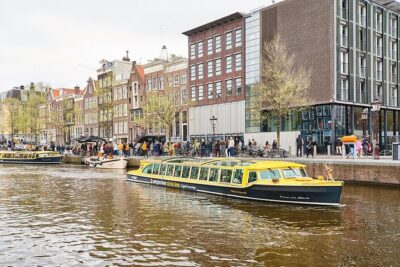
Browse the lists this tour appears in