
Reviewed · THE HAGUE & SCHEVENINGEN TOURS
The Hague: Escher in The Palace Museum Ticket
Escher in Het Paleis is interesting because you are not just looking at prints, you’re walking through them in a building that still feels royal. I love the sheer number of works on display, and I especially love the wow-factor pieces like the 7-meter Metamorphosis III and the classic impossible prints. My one caution is practical: the palace has rules about luggage, and some rooms feel tight, so keep your visit light and your expectations realistic.
What makes this ticket a smart buy is that you get discounted entry to a permanent exhibition, not a short-lived pop-up. You’ll also get an audio guide in lots of languages, plus an interactive second-floor space designed for puzzles with your eyes and hands. The main tradeoff is that you should plan on reading details in whatever space you find, since the rooms are not huge and the exhibit layout can be dense.
Key things I’d focus on
- Metamorphosis III stretches 7 meters, shown in a way that makes you feel Escher’s time-and-space ideas
- Impossible favorites like Day and Night and Climbing and Descending, where the “logic” flips in front of you
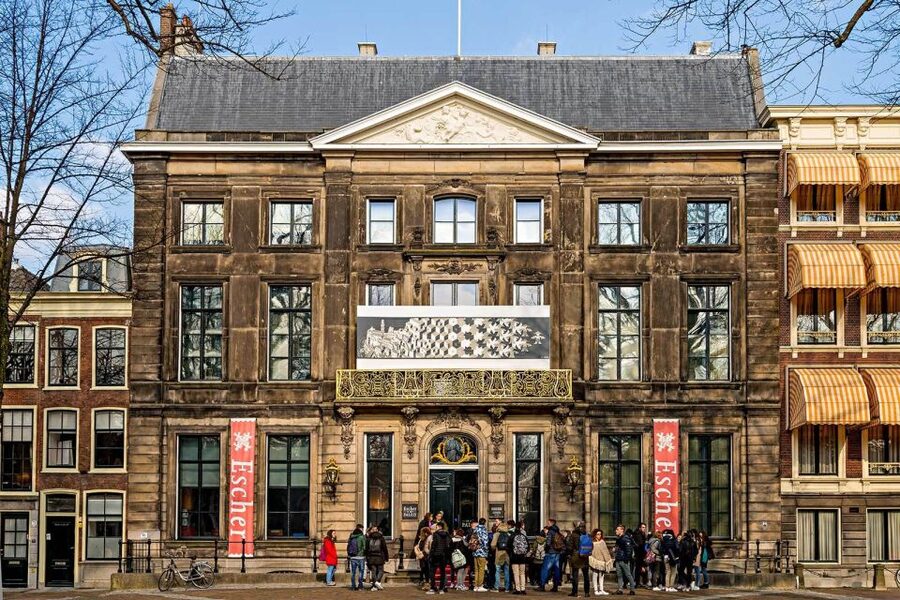
- The setting is the former Winter Palace of Queen Mother Emma, with the original royal feel still intact
- Looking as Escher Does is on the second floor, and it’s built for hands-on optical puzzles
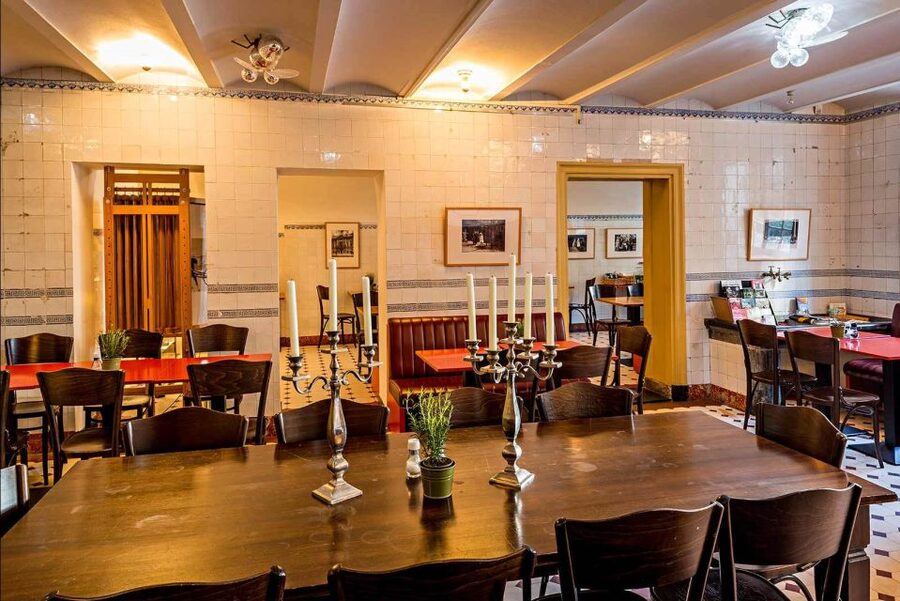
- The museum café sits in the former kitchen area, so you can reset without leaving the palace
Ticket Value and What $15 Gets You at Het Paleis
At about $15 per person, this is one of those museum tickets that feels fair because you get a lot for the money. You’re paying for a permanent Escher exhibition with more than 130 prints, plus a bonus interactive floor. This matters in a place like The Hague, where it’s easy to burn a half day on shorter attractions.
The other value piece is the building. Het Paleis is not just a “container” for art. It is the former Winter Palace of Queen Mother Emma of the Netherlands, and it is known for keeping the original royal ambience. That changes the vibe. Instead of white walls and generic museum lighting, you get a real palace mood, and Escher’s optical trickery feels even more playful.
There’s also a practical win: the audio guide is included, and you can choose from many languages. If you like to read every label, you might not even need it. If you like context while you walk, it helps you spot patterns you’d otherwise miss.
More trips to The Hague and Scheveningen:
- The Hague: Mauritshuis Entrance Ticket
★ 4.7 · 2,706 reviews - The Hague: City Canal Cruise
★ 4.6 · 2,024 reviews - From Amsterdam: Rotterdam, Delft & The Hague Guided Day Tour
★ 4.2 · 1,765 reviews
Getting to Lange Voorhout 74 Without Stress
You meet at Het Palais, Lange Voorhout 74, Den Haag. From The Hague Central Station, the easiest public-transport route is by tram:
- Tram 9, get off at Korte Voorhout
- Tram 17, get off at Kneuterdijk
This is the kind of museum address that’s easy once you land in the city center area. Also, the palace is in a walkable part of town, so if you’re combining it with a park stroll or a café stop, you won’t feel trapped.
One small planning note: because there’s no luggage or large bags allowed, you’ll want to travel light on the tram. If you’re used to hauling a daypack plus shopping bags, this is the place to simplify.
The Winter Palace Setup: Where Royal Rooms Make Escher Feel Bigger
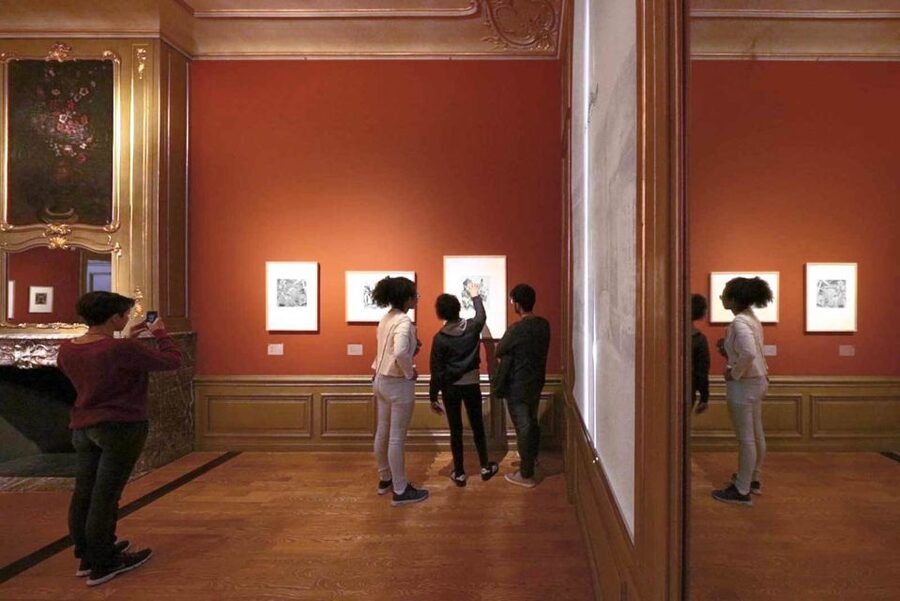
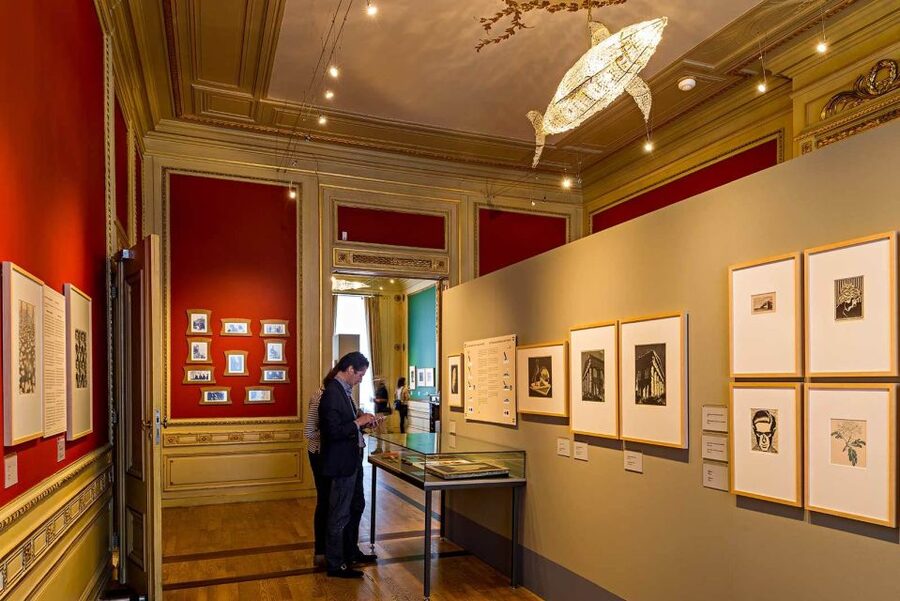
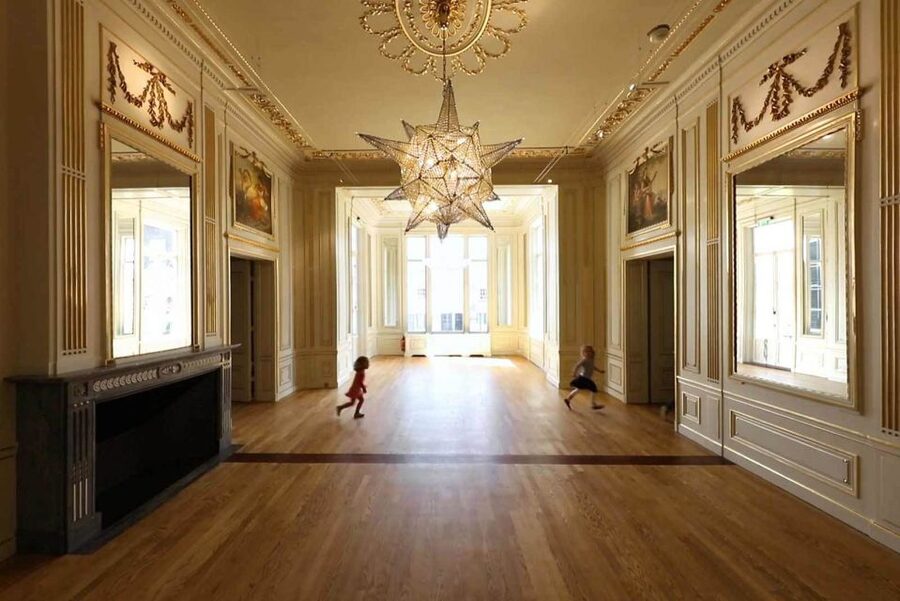
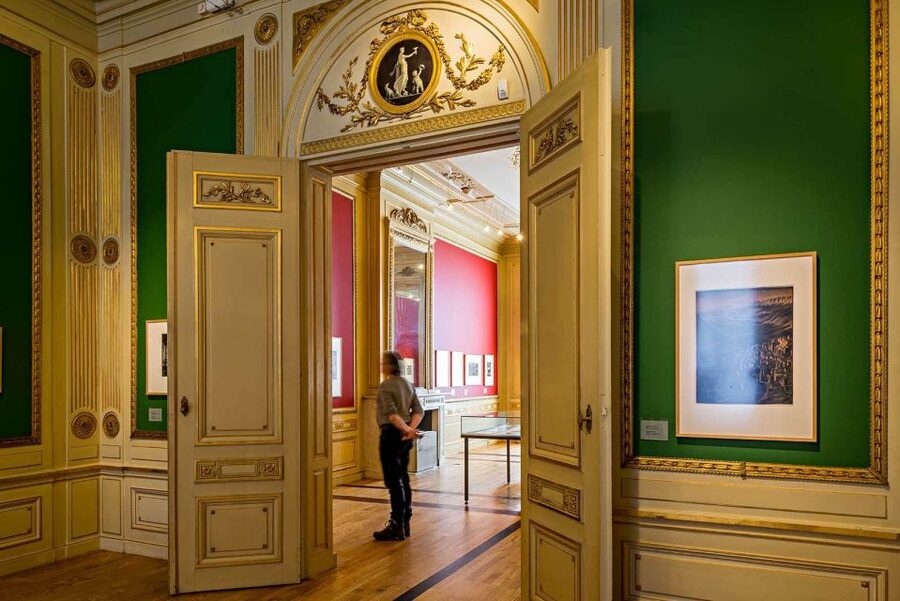
The first surprise here is how the palace itself “stages” your visit. The exhibition is housed in rooms that still carry that royal ambience, and you can feel the difference between looking at art in a designed gallery versus moving through a historic palace.
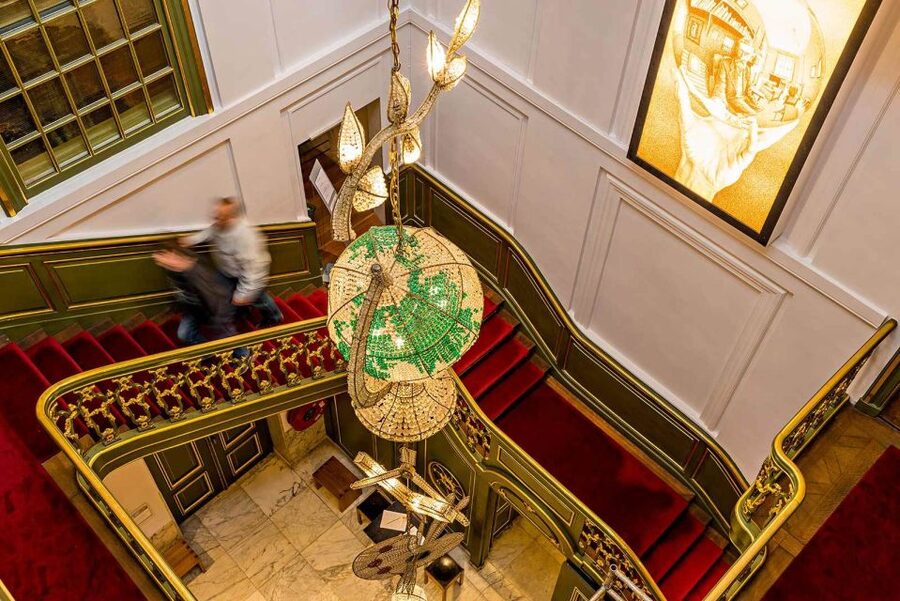
I like that the museum doesn’t just lock you into one theme. You start to notice how Escher built an entire visual language, then you also see how the building encourages slower looking. There are small details to pick up as you move, including decorative elements that go beyond the prints. One reviewer tip that’s worth stealing: pay attention to the chandeliers. They’re the kind of detail you might miss if you rush.
This kind of setting also changes how the big pieces land. When something is displayed in an unusual way, the palace rooms make it feel intentional, not gimmicky. That’s important for art like Escher’s, where the “rules” of perception are the whole point.
The Main Print Galleries: Metamorphosis III, Day and Night, and Climbing and Descending
The exhibition is built around Escher’s world, and it does a good job of guiding you through his key ideas. You’ll see lots of famous work, but the standout is how the museum treats the most ambitious pieces.
More museums and galleries in The Hague:
- Amsterdam: Van Gogh Museum Ticket
★ 4.7 · 52,054 reviews - Moco Museum Amsterdam Entrance Tickets with Banksy & More
★ 4.4 · 10,088 reviews - Amsterdam: The Upside Down Museum Entrance Ticket
★ 4.4 · 9,506 reviews - Amsterdam: Red Light Secrets Museum Entry Ticket
★ 4.2 · 5,722 reviews
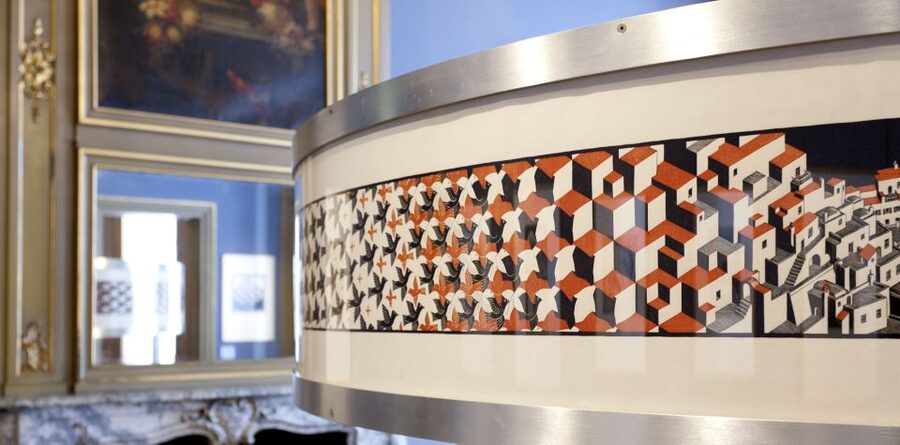
Metamorphosis III, the 7-meter centerpiece
Metamorphosis III is 7 meters long, and it is displayed in a non-conventional way. The result is that you don’t just view it like a flat print. The display helps you experience how Escher combines time and space into one organic unity. In plain terms, your eyes keep moving, and the piece keeps offering new “stops” along the transformation.
If you only catch the idea for 30 seconds, you’ll still enjoy it. But if you pause and let your brain adjust to the shifting forms, it hits harder.
The classics: optical transformations in plain sight
You’ll also run into major favorites such as:
- Day and Night, where a Dutch landscape morphs into birds
- Climbing and Descending, where rows of people perpetually ascend and descend a staircase
These prints work because they’re not random tricks. They’re structured. The museum helps you see that the illusion is engineered, and that makes it fun rather than confusing.
A note on room size and reading
Some rooms can feel on the tight side. That’s not a dealbreaker, but it affects how you browse, especially if you like to stand back and read slowly. If you’re sensitive to small spaces, plan for short pauses rather than long stares in crowded areas.
Looking as Escher Does: The Interactive Second Floor for Eyes and Hands
The second floor is where the visit turns playful. You’ll find the interactive exhibition Looking as Escher Does, designed around puzzles you solve with your eyes and your hands.
This is also the place where the museum becomes family-friendly in a very natural way. Even if you mostly came for the prints, this floor gives you a chance to understand Escher’s approach without needing to decode everything from labels.
If you like hands-on stations, build in extra time here. You’ll want to try the optical puzzles more than once, because they reward curiosity. And when you connect what you’re doing on the interactive stations with what you just saw in the prints, it all clicks.
One practical tip: if there is a video component in the interactive areas, expect it to be a small space with limited seating. If you’re visiting with a group, you may want to stagger who watches so the rest of you keeps moving.
How to Pace Your Visit: A Simple Walkthrough That Works
This is not a guided tour, so your best strategy is your pace. Here’s a flow that keeps you from missing the main moments.
Start with the entry experience
- Many people find the intro video sets the tone. It’s worth watching, even if you normally skip videos. It helps you understand what you are about to see.
Do the big print highlights next
- Look for Metamorphosis III and spend real time with it.
- Then move to the iconic impossible prints like Day and Night and Climbing and Descending.
Plan a break inside the palace
- The museum café is in the former kitchen of the palace. It’s a nice place to reset without leaving the historic building. If you’re doing a day trip, this matters.
End with the interactive floor
- Finish on the second floor in Looking as Escher Does so the last part feels active rather than purely observational.
- If you’re traveling with kids, this is often where they get the most energy back.
Also, allow yourself time to notice the building itself
- The palace rooms encourage detours. You’ll see that ceiling and lighting details are not “background noise.” They’re part of the mood.
Besides Escher: Other Artists and the Story of His Thinking
You came for Escher, but the museum doesn’t stop there. It includes works by other influential artists, so the full experience is broader than one name. That’s a good thing if you like context, or if you want your eye to compare styles and ideas.
You’ll also get a clearer sense of Escher’s evolution, including how he connected his art with mathematics. If you’ve only seen the most famous tessellations in textbooks, seeing how his thinking develops in a real collection makes the work feel less like random optical fun and more like a life project.
And you do get more than the usual “look and guess” effect. The exhibition gives you enough structure to follow themes over multiple rooms, so your eyes start predicting what comes next.
Practical Rules, Hours, and Real-World Planning
A few basics will help your day go smoothly.
- No luggage or large bags allowed. So pack light. If you’re carrying a camera bag or small daypack, you’ll likely be fine, but treat this as a reminder to avoid heavy shopping bags.
- The palace is closed on Christmas Day and January 1.
- It is open on Easter, King’s Day, Ascension Thursday, Whitsun, and Whit Monday.
If you’re visiting around a major Dutch holiday, this list helps you pick safer dates.
The ticket also has flexibility in a key way: it’s valid for 365 days. You’ll still want to check availability for starting times, but you are not forced into a single rigid day.
Who This Fits Best (and Who Might Want to Adjust Expectations)
This ticket is great for you if:
- You love Escher and want to see a large collection all in one concentrated stop
- You want optical illusions with strong “why” behind them, not just surface-level trickery
- You’re traveling with kids or teens who enjoy puzzles and hands-on activities
It’s also a strong fit for design-minded visitors, art students, and anyone curious about the intersection of art and math. Many people walk out feeling like they just watched a whole mental system at work.
Adjust your expectations if:
- You hate small or enclosed spaces. Some parts of the museum can feel tight, and certain viewing areas are not large.
- You need extra room to read lots of fine print. The exhibit is photo-friendly, but you’ll still want to spend time with captions.
Should You Book This Escher in Het Paleis Ticket?
I think you should book it if you want maximum Escher time for a reasonable price, in a building that makes the art feel more dimensional. The combo of a permanent collection with interactive elements on the second floor is what makes this ticket worth your time.
Skip it or rethink your plan if you’re traveling with bulky luggage, or if you know you’re not comfortable in smaller rooms. In that case, you might still love the art, but you’ll likely have a more stressful visit.
If your goal is a single, high-impact museum stop in The Hague, this is one of the easiest “yes” tickets to make.
FAQ
What’s included with the Escher in Het Paleis ticket?
Admission to Escher in Het Paleis is included, and an audio guide is also included. The audio guide is available in English, Dutch, German, French, Chinese, Japanese, Ukrainian, and Korean.
Where do I meet for the ticket?
The meeting point is Het Palais, Lange Voorhout 74, Den Haag.
How can I get there from The Hague Central Station?
You can take tram 9 and get off at Korte Voorhout, or take tram 17 and get off at Kneuterdijk.
Is a guided tour included?
No. Guided tours are not included. A guided tour for up to 20 people is available by reservation for EUR 60 per guide.
Is there an interactive part of the museum?
Yes. On the second floor there is an interactive exhibition called Looking as Escher Does, with puzzles for your eyes and hands.
Are large bags or luggage allowed?
No. Luggage or large bags are not allowed.
What days is Het Palais closed and open?
It is closed on Christmas Day and January 1. It is open on Easter, King’s Day, Ascension Thursday, Whitsun, and Whit Monday.
Can children get free entry?
Yes. Entrance is free for children up to 6 years old when accompanied by a paying adult. There is also a free treasure hunt for children.
How flexible is the ticket timing?
The ticket is valid for 365 days. You should check availability to see starting times.
Recently reviewed around The Hague
- The Hague: Old City Private Walking Tour★ 4.4 · 81 reviews
- The Hague: Courtyard Walking Tour★ 4.5 · 71 reviews
- The Hague: Glowgolf Glow in the Dark Indoor Minigolf★ 4.1 · 89 reviews
- From Amsterdam: Rotterdam, The Hague & Delft Private Tour★ 4.6 · 7 reviews
- From Amsterdam: Rotterdam to The Hague and Delft★ 4.6 · 15 reviews
- From Amsterdam: Day Tour to Rotterdam, Delft and The Hague★ 4.8 · 98 reviews
- Private half-day Delft and The Hague tour★ 5.0 · 3 reviews
- The Hague: City Walking Tour★ 4.5 · 156 reviews
The Hague & Scheveningen Tours, compared.
Hop-on Hop-off Old-Fashioned Heritage Tram Tour
Read our review →
Rotterdam, Delft, the Hague, Madurodam from Amsterdam
Read our review →
Rotterdam, Delft and The Hague Small Group Tour from Amsterdam
Read our review →Browse the lists this tour appears in