
Reviewed · THE HAGUE & SCHEVENINGEN TOURS
The Hague: Prison Gate Museum
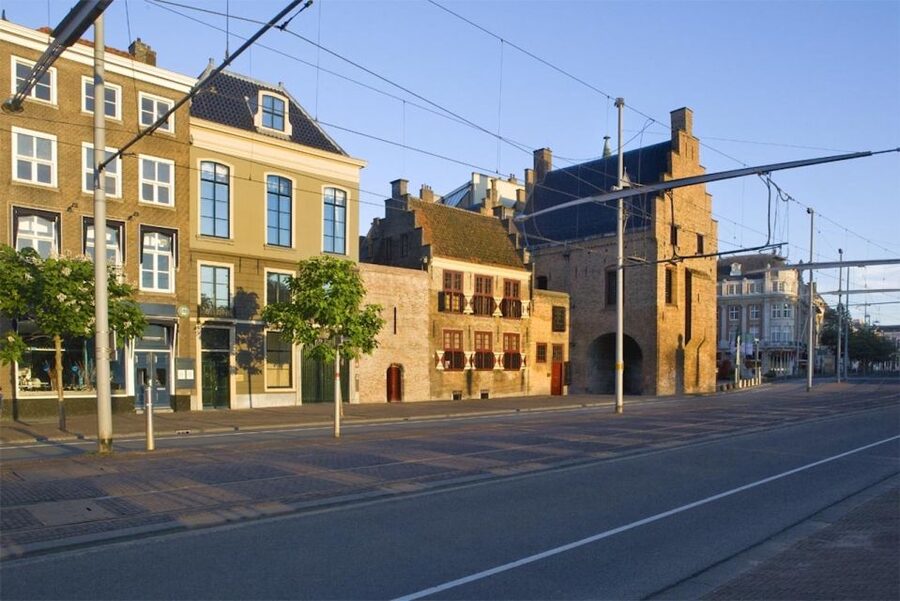
This medieval Prison Gate Museum in The Hague is interesting because it lets you walk a real stone gateway and learn how it later became a prison and courthouse. I especially like the setting by the Hofvijver, where the building feels tied to the city, not stuck behind fences.
I also like how clearly the museum connects people, punishment, and famous names. You’ll encounter the stories of Johan and Cornelis de Witt, and you can see the torture and punishment instruments collection. One consideration: it’s self-guided, so you need to slow down and read, otherwise some of the courtroom details can slip by.
Key highlights you’ll notice right away
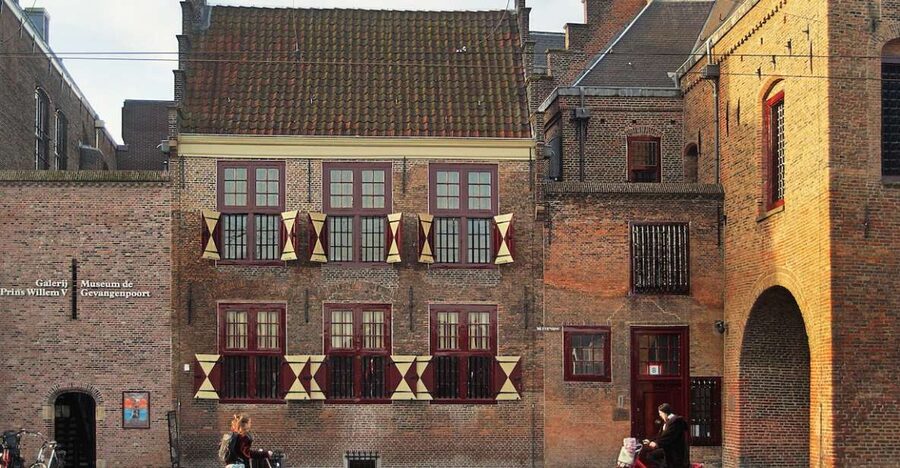
- A 13th-century gateway to the Binnenhof that later became a prison and courthouse
- Johan and Cornelis de Witt tied directly to the building’s story
- Old prison cells that make the concept of confinement feel concrete
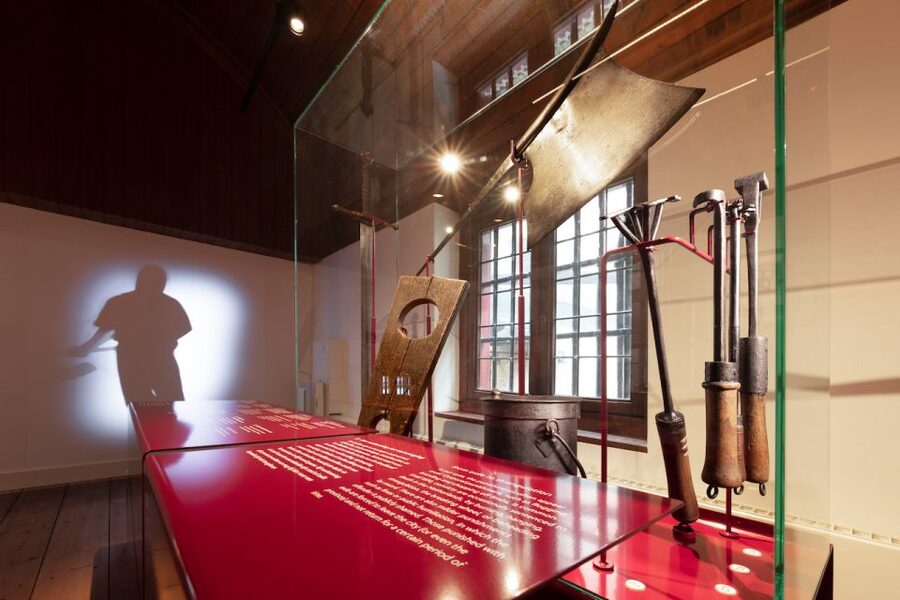
- Torture and punishment instruments shown as part of the museum’s national collection
- Trial and punishment themes mapped to specific spaces inside the complex
- Self-guided visit means you control the pace and revisit what grabs you
Rijksmuseum de Gevangenpoort: what this place is really about
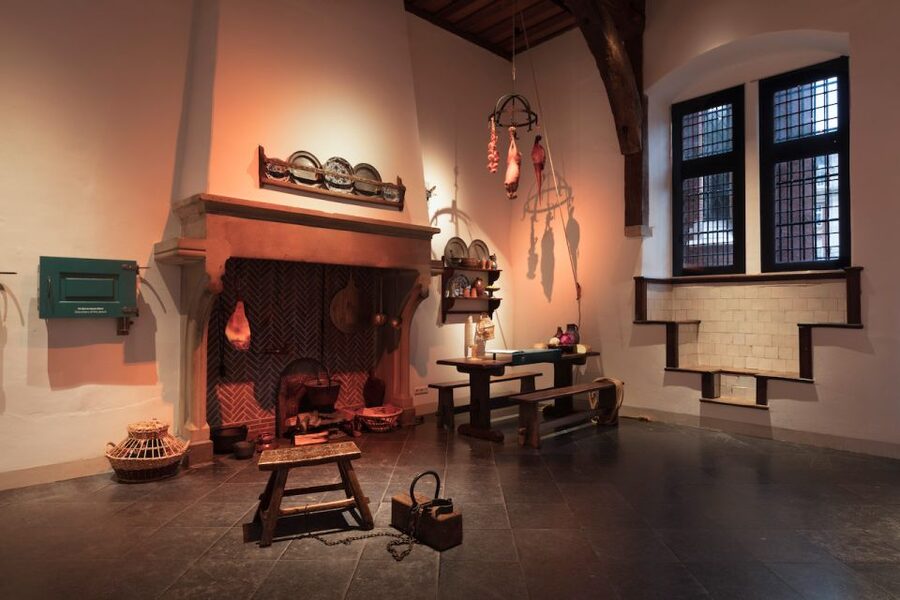
The Prison Gate Museum, officially Rijksmuseum de Gevangenpoort, is a medieval structure with a job history. It started life as an imposing gateway to the Binnenhof. Then, centuries later, it became the prison and courthouse connected to the Hof van Holland. In other words, it is not just a building with costumes. It is a building that changed roles as Dutch society changed.
For your visit, that role change matters. It turns a walk through museum rooms into a simple, logical story: where people entered, where they were held, where they waited, where they heard outcomes, and how punishment was carried out. You are not only looking at history, you are moving through the bones of it.
And it helps that the museum sits on the edge of the Hofvijver. The surrounding view keeps grounding you. You see the contrast between today’s calm city scene and the building’s grim past.
More trips to The Hague and Scheveningen:
- The Hague: Mauritshuis Entrance Ticket
★ 4.7 · 2,706 reviews - The Hague: City Canal Cruise
★ 4.6 · 2,024 reviews - From Amsterdam: Rotterdam, Delft & The Hague Guided Day Tour
★ 4.2 · 1,765 reviews
Entering a former gateway to the Binnenhof
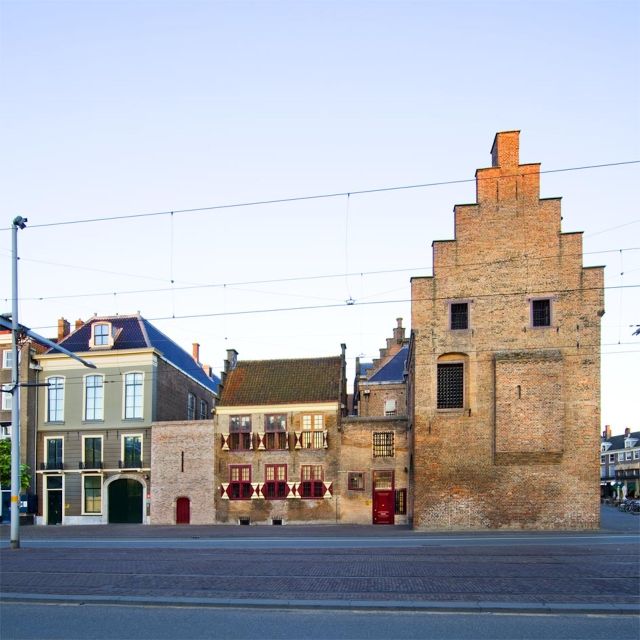
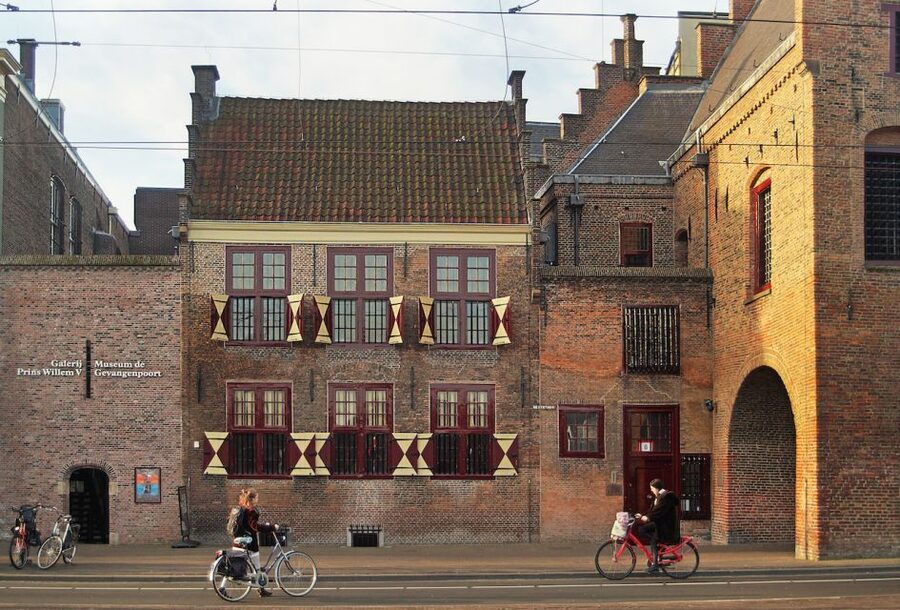
Your first “stop” is basically the building itself. The museum is the former prison gate, built as a gateway in the 13th century to the Binnenhof. Even if you do not read every inscription at the start, your brain gets the shape of it fast: this was built to control passage and to project authority.
Look for how the structure reads like a gateway, not like a random museum box. In places like this, architecture is part of the exhibit. The museum’s layout follows the idea that this site once controlled movement into power.
Practical tip: give yourself a few minutes before you start rushing through rooms. If you treat this as a quick photo stop, you will miss the point. If you let the space set the tone, the later cell rooms hit harder.
The Hof van Holland prison and courthouse: follow the path
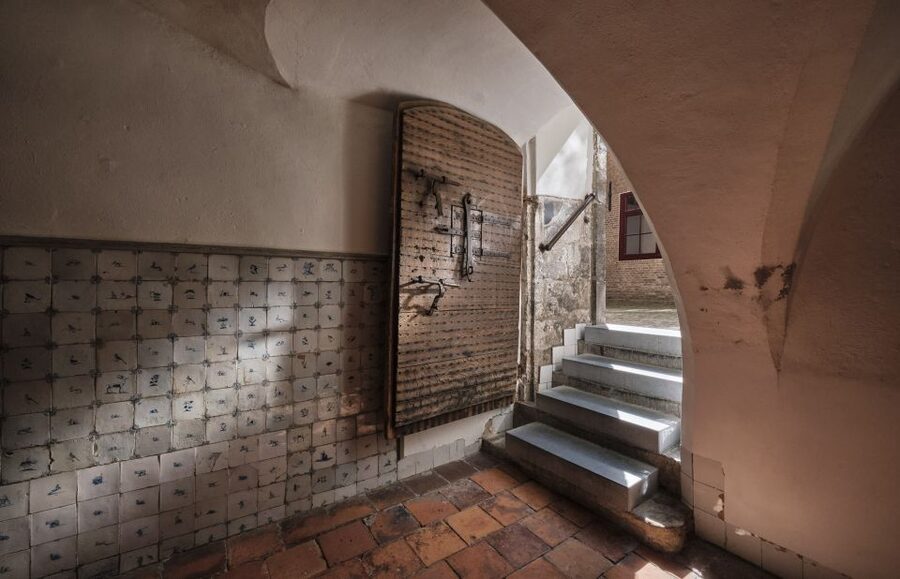
Once the building became the prison and courthouse, it worked in a steady rhythm. Suspected criminals waited for their trial, and defaulters could be imprisoned. That is the foundation of the museum experience today. You will see and experience how people were imprisoned, tried, and punished in the past.
What I like about the way the story is presented is the museum keeps bringing you back to practical questions. Not just big ideas like justice, but specific “how did it work” questions, like:
- In which cells were people held?
- Was there a difference between poor and rich prisoners?
- Where would a verdict be heard?
- What kinds of punishments were given?
Even if you do not know Dutch legal history, those questions guide you. You can follow along room by room and build your own picture.
Prison cells: where the concept becomes real
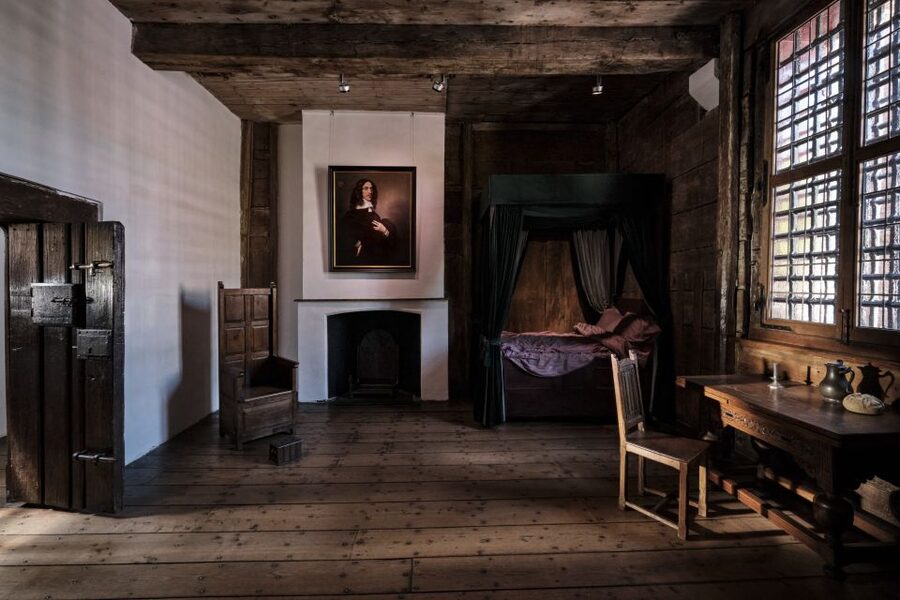
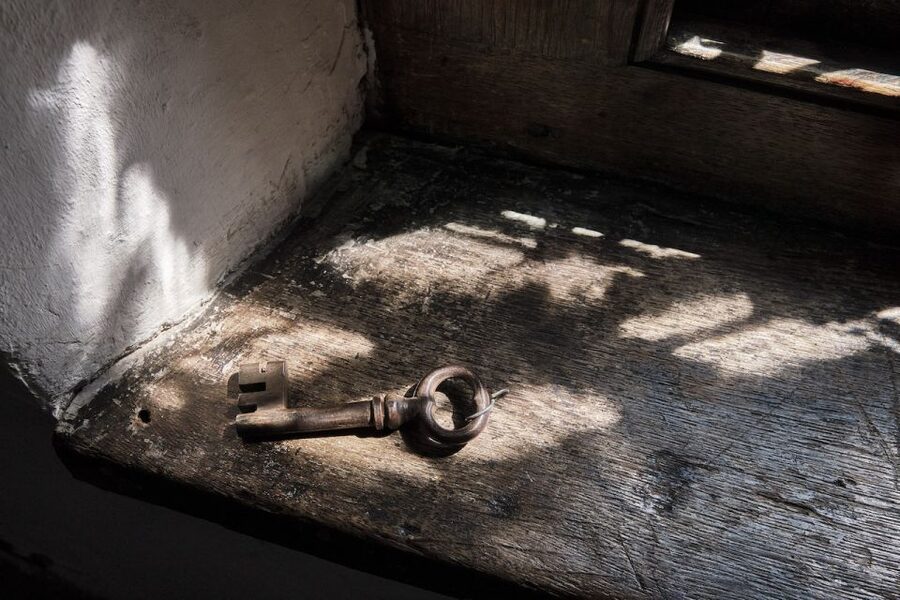
The prison cells are one of the core reasons to go. You get centuries-old cells in the same structure where people were confined. In a museum, you can study that idea in text. Here, you see the space it happened in, and that changes your sense of scale.
When you walk into a cell area, pay attention to how the rooms feel relative to the rest of the building. The museum tells the story of confinement, waiting, and processing. The cells make those themes tangible.
One good approach: spend longer here than you think you need. The cells are the part you might otherwise skim through. If you take your time, you will understand the later sections about trials and punishments in a more personal way.
More museums and galleries in The Hague:
- The Hague: Escher in The Palace Museum Ticket
★ 4.6 · 896 reviews - The Hague: Panorama Mesdag Museum Entry Ticket
★ 4.8 · 143 reviews - Amsterdam: Van Gogh Museum Ticket
★ 4.7 · 52,054 reviews - Moco Museum Amsterdam Entrance Tickets with Banksy & More
★ 4.4 · 10,088 reviews
Courtroom spaces and the trial moment
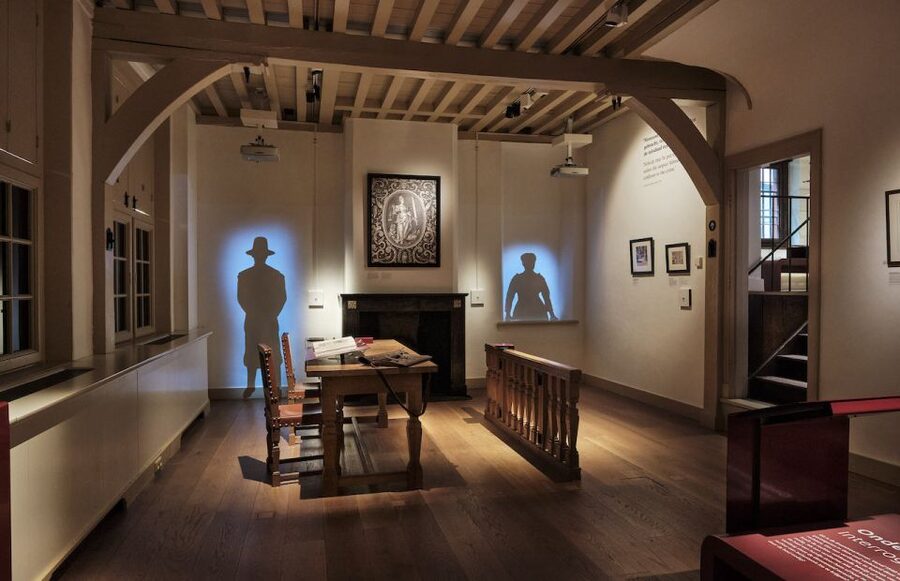
The museum also focuses on the courtroom side of the site, tied to the Hof van Holland. Suspected criminals waited for trial here. Defaulters were imprisoned. That is how punishment and justice overlap in this kind of historic system.
You’ll be led through the idea of where people waited, where they learned outcomes, and how sentencing translated into real consequences. The museum explicitly raises the idea of where the verdict would be heard, so it is not vague. It gives you a specific “place in the system” for each stage.
If you like history that connects law, buildings, and daily life, this is where the experience clicks. It stops being about famous names only. It becomes about how the system processed people.
Johan and Cornelis de Witt: a key Dutch history thread
Some historic sites feel like they are explaining the past in general terms. This one connects to real Dutch history through major events linked to the building.
A highlight is the murder of the De Witt brothers. Johan and Cornelis de Witt are names you will see in the museum’s story, and they matter because their imprisonment connects famous political figures directly to the mechanism of justice and punishment at this site.
Even if you only have a basic sense of who the De Witt brothers were, the museum helps you connect the dots. You are not asked to memorize a timeline. You walk through the spaces where the story could plausibly have unfolded.
This is also where the museum’s storytelling style shows up. The layout is designed so that you get the narrative as you move, instead of just reading isolated facts.
Torture and punishment instruments: what you should know before you see them
The museum includes a national collection of torture and punishment instruments. That is a big promise, and it needs a careful mindset.
Expect to see instruments connected to how punishments were carried out. The exhibit is part of the museum’s larger goal: to explain how crime and punishment operated at the time. So, the instruments are not just shock value. They are presented as evidence of what the system could do.
How to handle this section:
- Go at your own speed.
- If you feel unsettled, step back. That is completely reasonable here.
- Do not treat it like a thrill ride. Treat it like a historical document.
If you are sensitive to graphic historical material, you may want to brace yourself mentally before you enter that part of the route.
Poor vs rich prisoners: the museum’s uncomfortable question
One of the most useful aspects of the museum experience is how it asks whether there was a difference between poor and rich prisoners. That question gives you a lens.
Instead of thinking “prison was prison,” you get nudged toward a more realistic view: justice systems often had different outcomes for different social groups. In the museum, the spaces and story points help you consider how confinement could differ depending on status.
This is one of those times where a museum label turns into understanding. You start noticing how the building’s layout and the story of trials and punishments might not have been evenly experienced.
Your self-guided visit: how to make it feel complete
The visit is without a guide. That can be a drawback, but it can also be a strength if you plan for it.
Because there is no guide to steer you toward the main storyline, you’ll get the best results if you:
- Start with the building context (gateway, then prison and courthouse).
- Follow the questions the museum raises: cells, verdict location, poor vs rich, punishments.
- Spend your time where the museum is most specific: cells and the instruments collection.
Also, if you are the type who likes to read and connect dots, self-guided is ideal. If you need someone to narrate and keep you from wandering, you might feel less guided than you expected.
Price and value: does an $18 ticket make sense?
At about $18 per person for a 1 day visit, the question is value. Here is how I think about it.
You are paying for three things that are hard to find in one place:
- A major historic structure tied to The Hague’s governance core (Binnenhof era gateway, later Hof van Holland prison and courthouse).
- Physical access to cells in the same building, not just photos or reconstructions.
- A national collection of torture and punishment instruments tied to the broader story of crime and punishment.
If you like museums where the building itself is part of the lesson, $18 is reasonable for the time and content. If you only want a quick overview or mostly prefer modern interactive exhibits, you may feel you need less time here.
In short: the price fits visitors who want a focused, story-driven visit, not a casual wander-through.
How long to spend and how to pace yourself in one day
The duration is listed as 1 day, which is broad. In practice, treat it as a focused museum stop inside a day built around The Hague.
My pacing advice:
- Give extra time to the cells section.
- Allow time for the De Witt brothers and trial narrative so it does not feel like disconnected “history facts.”
- Plan a little buffer for the instruments exhibit, because that part can be mentally heavy.
If you are combining this with other nearby sights around the Hofvijver, try to schedule it when your brain is fresh. Courtroom and punishment stories demand attention.
Practical perks included with your ticket
This is not a bare-bones entry. Your ticket includes:
- Entry ticket
- Wifi
- Wardrobe
The wardrobe can matter if you arrive with a tote or jacket and want to move comfortably through older spaces. Wifi is a convenience for planning the rest of your day, checking transit, or looking up a few names after you leave specific rooms.
Food and drinks are not included. So if you get hungry, plan to grab something outside the museum as you go through your The Hague day.
Who this museum is for
You will likely enjoy Rijksmuseum de Gevangenpoort if you like:
- Old buildings with clear, factual stories
- Justice systems as real historical processes
- Strong museum storytelling that connects names, spaces, and themes
- The Hague history tied to specific sites
You might not love it as much if you want a light, purely scenic museum day. This place has a specific theme: crime, punishment, and imprisonment. It is memorable, and that means it takes a bit of emotional energy too.
Book it or skip it? My honest call
I think you should book if you want a compact, high-impact museum stop that uses the building itself as the main exhibit. The cells and the museum’s attention to how people were held, tried, and punished give you more than a surface look. Add the links to Johan and Cornelis de Witt and the De Witt brothers, plus the torture and punishment instruments collection, and you get a visit that feels specific, not generic.
Skip it only if you know you do not want to see historical punishment material, or if you prefer a guided explanation because you struggle to learn from self-guided museum labels.
If you are building a The Hague itinerary and want one place that teaches through architecture and story, this is a smart choice.
FAQ
Where is the Prison Gate Museum located?
It is in The Hague, in South Holland, Netherlands.
How much does it cost?
The price listed is $18 per person.
How long should I plan for?
The duration is 1 day.
Is the visit guided?
No. This is without a guide.
What is included with the ticket?
The entry ticket includes wifi and a wardrobe.
Is food or drinks included?
No, food and drinks are not included.
Can I cancel for a full refund?
Yes. Free cancellation is available up to 24 hours in advance.
Is the ticket valid for just one day?
Yes. It is valid for 1 day, and you should check availability for starting times.
Recently reviewed around The Hague
- Private Transfer from Amsterdam Airport Schiphol to The Hague★ 4.0 · 7 reviews
- From Amsterdam: Day Trip to Rotterdam, Delft & Hague with Cruise★ 3.0 · 15 reviews
- privatetour Delft, The Hague&Rotterdam Kinderdijk from Amsterdam★ 5.0 · 3 reviews
- Rotterdam, Delft and The Hague Guided Tour from Amsterdam★ 4.0 · 74 reviews
- Private Tour to Kinderdijk and Delft / Leiden / Hague / Gouda★ 4.5 · 8 reviews
- Famous Holland Tour: visit The Hague, Delft, Rotterdam and Kinderdijk from A’dam★ 5.0 · 5 reviews
- Private Day Tour: Rotterdam, Delft & The Hague From Amsterdam★ 5.0 · 22 reviews
- Rotterdam, Delft and the Hague Day Trip from Amsterdam★ 4.5 · 55 reviews
The Hague & Scheveningen Tours, compared.



Hop-on Hop-off Old-Fashioned Heritage Tram Tour
Read our review →

Rotterdam, Delft, the Hague, Madurodam from Amsterdam
Read our review →Browse the lists this tour appears in